When your dog hesitates before standing up, or your cat stops jumping to the windowsill she used to claim every afternoon, the change can feel small at first. Then it starts to shape the whole day. Walks get shorter. Stairs become a negotiation. Rest doesn't look restful anymore.
That's often when pet owners start asking about gentler options for pain relief and mobility support. Acupuncture comes up quickly. So does electroacupuncture. The problem is that most explanations stop at a simple line: electroacupuncture is stronger. That's not wrong, but it's incomplete. Your pet deserves a better answer than that.
Your Pet Deserves Relief Exploring Your Options
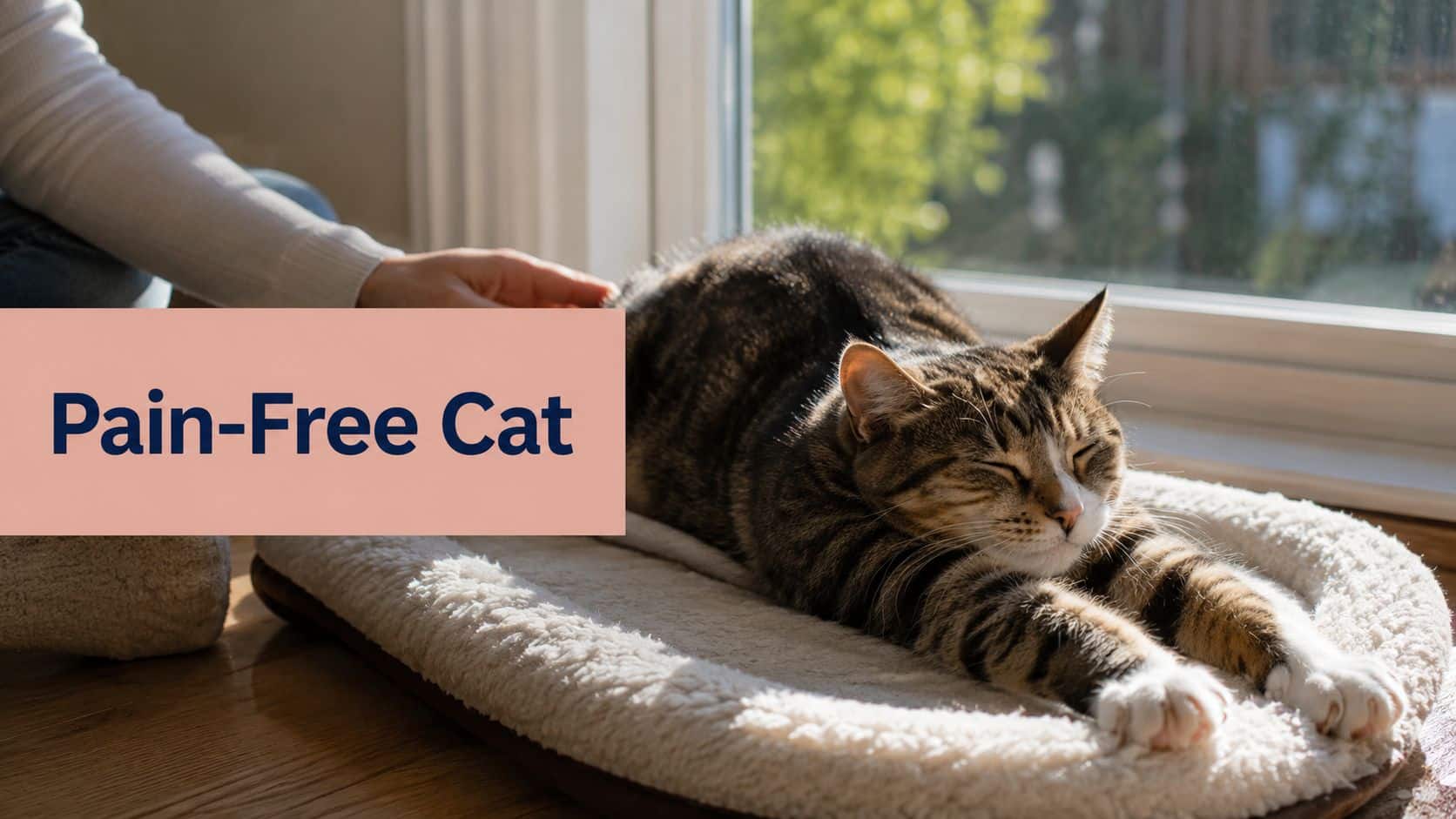
A lot of families reach this point. No dramatic emergency. Just a gradual sense that something isn't right. A senior dog who used to bounce to the door now pauses, shifts weight, and takes a few stiff steps before settling into motion. A cat with chronic arthritis starts grooming less or choosing lower surfaces because climbing has become harder than it used to be.
When owners begin looking beyond medication alone, they're usually hoping for two things. They want something effective, and they want something their pet can tolerate. That's where integrative care can be so valuable. Treatments like traditional acupuncture and electroacupuncture are often used to support pain control, mobility, recovery, and overall comfort, especially as part of a broader integrative veterinary care plan.
For pets, the difference between these two approaches matters. One is quieter and more subtle. The other adds a measured electrical pulse through the needles to create a stronger, more consistent stimulation. Neither is automatically “better” for every patient.
Some pets need a gentle nudge. Others need a clearer signal.
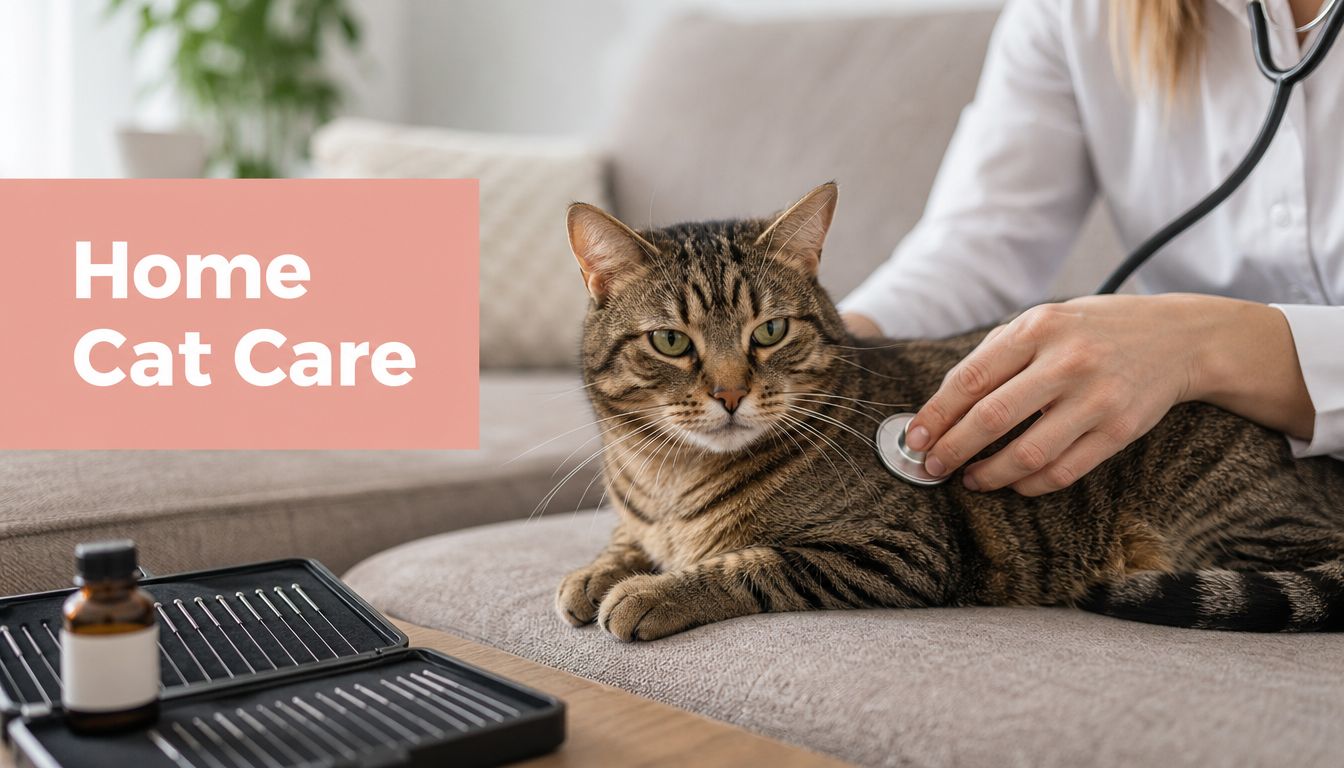
That distinction matters even more in home-based care. In the South Tampa area, many dogs and cats do far better when treatment happens where they already feel safe. No car ride. No lobby. No unfamiliar smells. A pet who would tense up in a clinic may settle on their own bed and accept treatment much more easily.
The primary question in electroacupuncture vs acupuncture isn't which sounds more advanced. It's which approach fits your pet's condition, personality, and comfort level.
Understanding The Two Types Of Acupuncture
Traditional acupuncture and electroacupuncture start from the same foundation. Very fine needles are placed at specific points on the body to influence pain pathways, circulation, muscle tension, and overall physiologic balance. In veterinary medicine, that may support a pet with arthritis, back pain, weakness, nerve irritation, or recovery after injury.
Traditional Acupuncture
Traditional acupuncture is the original form. Needles are inserted and then left in place, sometimes with gentle manual adjustment by the veterinarian. If you like analogies, it helps to think of it as conducting an orchestra. The body has many systems trying to play together: muscles, nerves, connective tissue, circulation, digestion, stress responses. Acupuncture aims to help them return to better coordination.
In Traditional Chinese Veterinary Medicine language, this is often described in terms of Qi and meridians. For pet owners, the most useful translation is simpler. Specific points on the body seem to influence broader patterns of function. A point near the limb may affect gait, muscle tone, or pain. Another point may help calm an anxious, tense patient.

Point choice matters. It isn't random needling. A veterinarian builds a plan based on exam findings, neurologic status, pain pattern, mobility changes, and often a detailed approach to acupuncture point selection.
Electroacupuncture
Electroacupuncture uses the same needles, but selected pairs are connected to a small device that delivers a gentle electrical current. The current is controlled and adjustable. It doesn't turn the session into a harsh or dramatic experience. In many pets, it feels more like a rhythmic tapping, pulsing, or buzzing.
If traditional acupuncture is conducting the orchestra, electroacupuncture is turning up one section that needs to be heard more clearly. That extra stimulation can be useful when pain is deeper, nerves are involved, or the body needs a stronger signal than manual needling alone may provide.
The Core Difference
Here's the practical distinction:
| Approach | What It Uses | How It Feels For Most Pets | Best Match In Practice |
|---|---|---|---|
| Traditional acupuncture | Fine needles only | Quiet, subtle, often very relaxing | Mild to moderate pain, sensitive pets, whole-body balancing |
| Electroacupuncture | Fine needles plus gentle electrical stimulation | Rhythmic pulsing or tapping sensation | More targeted pain control, neurologic cases, stronger stimulation needs |
Neither method replaces careful diagnosis. The needles are a tool. The essential skill lies in knowing when to use a lighter touch and when a pet may benefit from amplification.
A Side By Side Comparison Of How They Work
A dog with a sore spine may melt into the blanket with a few quiet needles. Another dog with the same diagnosis may need a steadier, more targeted signal before the nervous system changes its response. That is the core comparison here. Both treatments use acupuncture points, but they influence tissue, nerves, and the brain in different ways once the needles are in place.

Mechanism In The Body
Traditional acupuncture relies on needle placement, tissue contact, and any manual stimulation from the veterinarian. That input can change local blood flow, affect sensory nerve signaling, and influence central pain processing. In practice, it often works well for pets that need a gentler treatment experience or a broader balancing effect rather than a highly focused stimulus.
Electroacupuncture starts with the same point selection, then adds a controlled current between paired needles for the length of the treatment. The signal is repeatable and sustained. Instead of a brief mechanical input at needle placement, the body receives patterned stimulation that continues to recruit nerves and surrounding tissue.
Research suggests the difference is not merely "more stimulation." Functional MRI research found that low-frequency electroacupuncture at 2 Hz produced a broader pattern of brain activation than manual acupuncture, including the anterior middle cingulate cortex and the pontine raphe area. In practical terms, the brain appears to process electroacupuncture as a distinct input, not just a louder version of the same treatment.
There is another biologic detail that deserves honest discussion. Electroacupuncture has been associated in some research discussions with release or mobilization of mesenchymal stem cells, often shortened to MSCs. That finding gets attention because MSCs are involved in tissue signaling and repair. The unanswered question is the one pet owners should ask: does that response create a reliable healing advantage in real veterinary patients, or is it an interesting physiologic side effect that has not yet been tied to better outcomes? At this stage, I treat it as promising but unproven. It adds scientific interest. It does not justify overselling what electroacupuncture can do.
For dogs with chronic joint pain, that distinction can influence case planning. A dog receiving dog acupuncture for arthritis management may benefit from either method depending on pain depth, muscle tension, neurologic involvement, and tolerance for stimulation.
Sensation And Pet Experience
Comfort shapes every good session.
Traditional acupuncture is usually subtle. Some pets barely acknowledge the needles. Others give a quick look, a small twitch, or an ear flick, then relax. Many become sleepy once they settle.
Electroacupuncture is more noticeable. The current creates a rhythmic pulsing sensation, and you may see a small repetitive muscle flutter near the paired needles. That visual can worry owners, but a visible twitch does not automatically mean distress. The better guide is the whole pet: breathing, facial tension, willingness to rest, and whether the body softens or braces.
A sensitive cat, a very anxious dog, or a patient that startles easily often does better with traditional acupuncture first. A calm, stoic pet with deep pain, weakness, or nerve dysfunction may tolerate electroacupuncture very well and gain more from the sustained input.
Treatment Application
Traditional acupuncture has a simpler setup. Fewer steps can be an advantage for pets that need minimal handling or become wary when too much equipment appears around them.
Electroacupuncture requires more decision-making from the veterinarian:
- Point pairing matters: the current travels between selected needles, so the treatment path has to match the clinical goal.
- Intensity matters: the setting should create a therapeutic response without making the pet guarded, tense, or overstimulated.
- Frequency matters: different settings may be chosen for different goals, such as pain modulation versus neuromuscular activation.
- Case selection matters: electroacupuncture is often most useful for focal pain, nerve-related dysfunction, weakness, or cases that did not respond enough to manual needling alone.
That added complexity is not a drawback by itself. It is a trade-off. In the right patient, it gives a more precise and sustained signal. In the wrong patient, it can be more stimulation than the body is ready to accept calmly.
Quick Clinical Comparison
| Question | Traditional Acupuncture | Electroacupuncture |
|---|---|---|
| How is the stimulus delivered? | Needle placement and manual technique | Needle placement plus controlled electrical current |
| What does the pet usually feel? | Mild pressure, heaviness, subtle tingling, or deep relaxation | Rhythmic pulsing, tapping, or buzzing |
| When is it easier to start with? | Sensitive, anxious, or very elderly pets | More severe pain, neurologic deficits, stronger stimulation needs |
| Does it use additional equipment? | No stimulator device | Yes, a low-intensity e-stim unit and lead wires |
The best choice depends on the pet in front of you, not on which method sounds more advanced. My goal is always the same: enough stimulation to help, delivered in a way your companion can tolerate and benefit from.
What The Research Says For Pet Health Conditions
A dog with back pain may look brighter after one treatment yet still struggle to jump into the car. A cat with arthritis may not seem dramatically different on a pain scale, but starts grooming again, climbs to the sofa, and rests with less tension. That is why I read acupuncture research with a practical question in mind. Does it help the patient function better in daily life?
Veterinary acupuncture research is still smaller than the human literature, so we often use both animal studies and carefully selected human data to guide decisions. That can be appropriate in pain medicine and rehabilitation, as long as the limits are stated clearly and owners are not promised more than the evidence supports.
This visual summarizes the kind of condition-focused questions owners usually ask.

Pain Relief And Functional Improvement
Human studies on neck and back pain suggest that electroacupuncture can produce stronger effects in some patients than manual acupuncture alone, especially in conditions where pain and mobility loss travel together. The pattern is not perfectly uniform across every trial, but the clinical theme is consistent enough to be useful. Electroacupuncture often looks most promising when the goal is not only easing pain, but also improving movement, tolerance for activity, and day to day function.
That distinction is important in pets. Owners do not bring me a pain score. They bring me a dog that hesitates on stairs, a senior cat that stops jumping onto the bed, or a patient whose neck, spine, or limb movement has become guarded. If treatment improves how the body is used, that improvement matters even if the change is not dramatic in a simple pain rating.
A short educational video may help make the technique more concrete for owners who haven't seen electroacupuncture before.
For pets with spinal pain, weakness, or mobility loss, this is one reason veterinarians may consider therapies such as acupuncture for degenerative disc disease.
The Unique MSC Question
One biologic effect deserves more attention than it usually gets. Electroacupuncture has been associated in mechanistic research with release of mesenchymal stem cells (MSCs) into the bloodstream.
That is not a small detail. MSCs are involved in signaling related to inflammation control and tissue repair, so the finding naturally raises an exciting question. Is electroacupuncture giving a stronger nerve and muscle stimulus than traditional acupuncture, or is it also setting off a repair-related biologic response that could matter clinically?
The answer is still incomplete.
A VA research discussion highlighted this as an open question and described the growing interest in whether MSC release represents a meaningful therapeutic advantage or a biologic effect whose long term significance still needs clarification. For careful pet owners, that is the right frame. The mechanism is real enough to be scientifically interesting. It is not yet proof that dogs or cats with arthritis, ligament injury, or disc disease will heal faster because electroacupuncture was used.
In practice, I treat this as a promising but unsettled part of the conversation. It supports curiosity. It does not justify sweeping regenerative claims.
What This Means For Dogs And Cats
The most responsible conclusion is a practical one:
- Electroacupuncture may be the better fit for pain-heavy, neurologic, or function-limiting cases where a stronger, more sustained stimulus is likely to help.
- Traditional acupuncture may be the better starting point for sensitive, anxious, frail, or easily overstimulated patients who need a gentler treatment experience.
- MSC-related healing claims should be viewed cautiously until veterinary outcome research shows that this biologic effect translates into clear clinical advantages.
For many pets, the question is not which method is better in the abstract. The question is which one best matches the problem, the temperament of the patient, and the treatment goal.
Your Pet's In Home Acupuncture Session
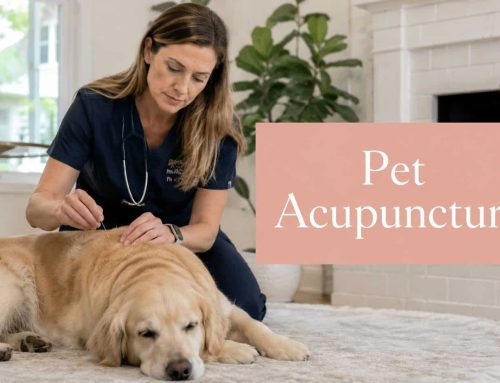
Your dog limps to the door when I arrive, then settles onto the same rug where he naps every afternoon. Your cat stays on the back of the sofa, watching from a safe distance, until she decides the room feels quiet enough to come closer. That home-field comfort shapes the session from the first minute.
Before I place a single needle, I watch. I look at how your pet rises, turns, sits, and shifts weight. I pay attention to whether a painful dog avoids slick flooring, whether a senior cat hesitates before jumping down, and whether certain positions make your pet brace or relax. Those details help me choose not only where to treat, but how much stimulation your pet is likely to tolerate well.
What You'll See During Traditional Acupuncture
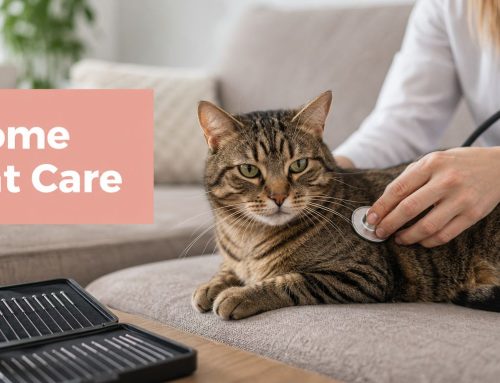
Traditional acupuncture is usually the gentlest version of the visit. Many pets rest on their favorite bed, a folded blanket, or beside you on the couch. Needles go in gradually, especially for cautious patients or animals who need a little time to trust the process.
A good session should look calm, not dramatic.
You may notice slower breathing, softer facial tension, or a stiff paw reaching forward more normally. Some pets become sleepy. Others stay alert but visibly settle. I do not aim to force stillness. I aim to create a treatment your pet can receive without feeling overwhelmed.
What Changes With Electroacupuncture
Electroacupuncture starts in much the same way. After a few needles are placed, selected points are connected to a small stimulator that delivers a measured electrical pulse. The machine is quiet, and the setting is adjusted to the pet in front of me, not to a preset formula.
The most visible difference is a mild rhythmic twitch or pulsing in the treated area. That can look surprising if you have never seen it before, but in a comfortable patient it should remain controlled and purposeful. If your pet becomes too tense, too alert, or tries to move away, I reduce the intensity or stop and switch plans. Pet comfort sets the ceiling.
That flexibility is one reason in-home care works so well. A calm room, familiar footing, and no car ride often make it easier to tell whether a pet is objecting to the treatment itself or reacting to stress around the treatment. That focus on a calm environment is as important as the needles themselves.
As noted earlier, electroacupuncture can produce a stronger analgesic signal and may trigger biologic effects that standard needling does not, including the MSC release researchers are still trying to interpret. In the treatment room, though, the practical question is simpler. Does your pet handle that extra input comfortably enough for it to be useful? Sometimes the answer is yes right away. Sometimes traditional acupuncture is the better first step, and electroacupuncture comes later after trust and tolerance improve.
For families looking for in-home pet acupuncture care in South Tampa, the home setting often removes the hardest part of the visit. A painful dog does not need to struggle into the car. A frail cat does not have to recover from the stress of a carrier and waiting room before treatment even begins.
What Your Pet Needs From You
Your job during the visit is straightforward:
- Stay relaxed: Pets read your posture, voice, and tension quickly.
- Set out familiar items: A usual bed, mat, or blanket helps many pets settle faster.
- Report small changes: Sleep position, stair use, appetite, jumping, and gait changes are clinically useful.
- Allow the plan to adapt: Some pets begin with traditional acupuncture and later tolerate electroacupuncture well. Others do best with the gentler approach throughout.
The best sessions are rarely rigid. They are customized, quiet, and built around what your pet can receive comfortably.
Choosing The Right Therapy For Your Companion
The right choice usually becomes clearer when you stop asking which therapy is stronger and start asking what your pet needs. Severity, location of pain, temperament, and treatment goals all matter.

When Traditional Acupuncture Often Makes Sense First
Traditional acupuncture is often a sensible starting point for pets who are sensitive, elderly, anxious, or dealing with more diffuse whole-body discomfort. It also fits cases where the goal isn't only pain control, but broader support for comfort, stress regulation, mobility, and quality of life.
A gentle treatment is not a weak treatment. In some patients, especially those who become defensive with extra sensation, it's the version they can receive well.
When Electroacupuncture May Be The Better Fit
Electroacupuncture tends to be more useful when the problem is more focused or more intense. That includes pets with persistent musculoskeletal pain, nerve-related dysfunction, weakness, or cases where standard needling alone hasn't produced enough change.
The nuance matters. In a randomized trial involving cancer survivors with chronic pain, electroacupuncture reduced pain by 1.9 points, while auricular acupuncture reduced it by 1.6 points over the treatment period. That 0.36-point difference suggests electroacupuncture may be more potent, but it also shows that the decision isn't always dramatic or obvious. Small differences can matter in some patients and matter less in others.
If a pet is frail, fearful, or easily overstimulated, a milder therapy that can be repeated consistently may outperform a stronger therapy the pet resists.
A Practical Decision Lens
Consider these questions with your veterinarian:
- How severe is the pain? Localized, stubborn pain often pushes the decision toward electroacupuncture.
- Is there a neurologic component? Weakness, nerve pain, or asymmetric deficits may respond better to stronger targeted stimulation.
- How tolerant is your pet? A calm Labrador and a vigilant senior cat may need very different approaches.
- What is the treatment goal? General wellness support and subtle balancing differ from rehab-style treatment aims.
Electroacupuncture isn't appropriate for every patient. In practice, veterinarians are cautious with pets who have certain implanted electrical devices or conditions where extra stimulation may not be advisable. That's one more reason the decision belongs in the exam room, not in a one-size-fits-all online answer.
For South Tampa families, access also matters. Advanced care is only helpful if it can be delivered in a way your pet can manage comfortably and consistently.
Common Questions For Your Veterinarian
Is Electroacupuncture More Painful For My Pet
Usually, no. It's more noticeable, not necessarily more painful. Traditional acupuncture often feels subtle. Electroacupuncture adds a pulsing sensation. Many pets tolerate it well, but some prefer the quieter feel of standard needling.
Can Both Be Used In The Same Treatment Plan
Yes, they can. A veterinarian may start with traditional acupuncture to build trust and assess response, then add electroacupuncture later for a more targeted effect. In other cases, electroacupuncture is used only on selected points while the rest of the treatment stays traditional.
How Do I Know If My Pet Is A Good Candidate
Ask about four things: diagnosis, pain severity, neurologic involvement, and temperament. A good candidate isn't defined only by the condition. It's also about whether the pet can stay relaxed enough for the session to work.
What Should I Ask Before Starting
Bring these questions to the appointment:
- What is the main goal? Pain relief, mobility, nerve recovery, or supportive care.
- Why this method first? The reasoning should match your pet's exam findings.
- How will we judge progress? Gait, comfort, function, sleep, and daily activity all matter.
- What if my pet doesn't tolerate it? A good plan always has room to adjust.
If your dog or cat is slowing down, showing signs of pain, or struggling with mobility, Pet Acupuncture & Wellness (PAW Vet Practice) provides compassionate in-home integrative veterinary care in the South Tampa area. Dr. Monica works with pet owners to create practical, evidence-informed treatment plans that may include acupuncture, electroacupuncture, rehabilitation support, laser therapy, and other gentle options designed around your pet's comfort at home.