A lot of South Tampa pet owners arrive at the same moment of frustration. Their dog is already stiff and sore, or their cat is hiding because something feels off, and the hardest part of the appointment isn't always the medicine. It's the carrier, the car ride, the parking, the lobby, the noise, and the struggle of getting a frightened pet through it all.
That's often what people mean when they search for a Veterinary Medical Clinic Tampa Florida. They're not just looking for an address. They're trying to find care that works for their pet's actual condition, temperament, mobility, and stress level.
In South Tampa, you have more than one path. Some pets need a traditional clinic with diagnostics and urgent care access. Some need a full emergency hospital. Others do better with calm, in-home support for chronic pain, arthritis, neurologic issues, or follow-up care. The right answer depends on the medical problem in front of you, and on how your pet handles the process of getting treated.
Finding the Right Vet Care for Your Pet in Tampa
A common South Tampa scenario goes like this. A senior dog wakes up limping more than usual. By late afternoon, he's panting, reluctant to stand, and clearly uncomfortable. His owner starts calling around, worried about whether this is an emergency or whether a same-day visit might still help.

That search usually turns into several practical questions at once. Is there a clinic nearby? Are they open late enough? Can they handle urgent but not life-threatening problems? If the pet is anxious, will the visit itself make things worse?
In South Tampa, veterinary care isn't one-size-fits-all. A traditional South Tampa veterinary hospital may be exactly right for vaccines, lab work, imaging, surgery planning, skin issues, or sudden illness that needs an in-person facility. For a pet with chronic pain, severe visit anxiety, or limited mobility, the better fit may be care delivered at home, where the exam is calmer and the pet can move naturally in familiar surroundings.
What Pet Owners Usually Need Most
Most families don't need a long list of services. They need clarity. They want to know:
- What's urgent: Is this something that can wait for a scheduled visit, or does it need same-day attention?
- What will stress my pet less: Some animals tolerate a clinic well. Others spiral before the exam even starts.
- What kind of follow-up will happen: A treatment plan only works if the owner can keep up with it and the pet can tolerate repeat visits.
The best veterinary plan is the one a pet can actually receive safely, consistently, and without unnecessary distress.
That's why choosing a veterinary medical clinic in Tampa, Florida, takes more than reading a homepage. You're comparing access, staffing, urgency, environment, and how well the care model fits your animal's real life in South Tampa.
Understanding Your Veterinary Options
When pet owners compare practices, it helps to separate them into three broad categories. Each serves a different purpose, and confusion usually starts when people expect one type of service to function like another.
Traditional Veterinary Clinics
A brick-and-mortar veterinary clinic is the general practice commonly recognized. There, pets usually go for wellness exams, vaccines, diagnostics, skin and ear problems, routine illness visits, chronic disease monitoring, and many common procedures.
These clinics are often the best first stop when your pet needs hands-on evaluation but isn't in immediate crisis. Some also offer more extended access. In the Tampa area, there are clinics with extended weekday hours and some weekend coverage, which matters because after-hours access can shorten the time to triage for problems like trauma, urinary obstruction, heat stress, and acute pain. A clinic that stays open until 10 p.m. for evening urgent care and also offers Saturday coverage can help some pets avoid an immediate trip to an emergency hospital, as described by Gregory Veterinary Clinic's local service context.
Emergency And Specialty Hospitals
Emergency hospitals are for problems that can't wait. Think collapse, trouble breathing, major trauma, active seizures, suspected poisoning, inability to urinate, severe bleeding, or rapid decline.
They also matter when a pet needs overnight monitoring, advanced imaging, surgery on short notice, intensive care, or specialty consultation. These hospitals are built for high-acuity cases. The trade-off is that they're not designed to replace the relationship and continuity of a regular family veterinarian.
Mobile And In-Home Integrative Care
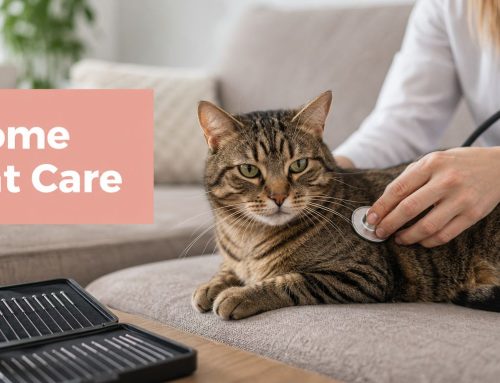
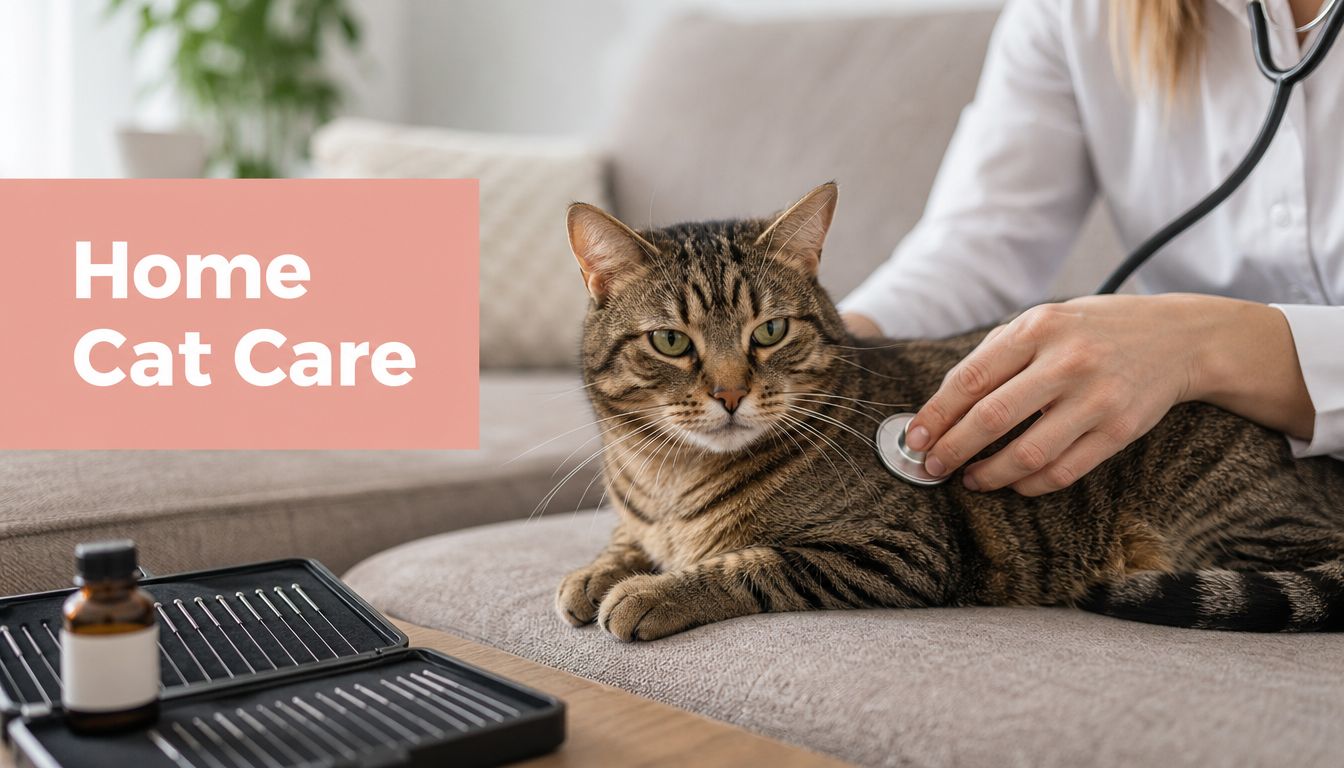
Mobile veterinary care serves a different role. It often works well for pets that need supportive, scheduled, lower-stress care in the home, especially seniors, arthritic dogs, mobility-limited cats, neurologic patients, hospice cases, and animals that shut down in clinics.
Some services focus on wellness and basic house calls. Others provide integrative veterinary care, such as acupuncture, laser therapy, rehabilitation support, herbal plans, and home exercise coaching. If you want a better sense of what that can include, integrative veterinary care in South Tampa usually centers on comfort, function, and quality of life rather than hospital-based procedures.
A Simple Way To Choose
Use the care setting that matches the problem in front of you:
- Choose a traditional clinic for routine care, diagnostics, and many common illnesses.
- Choose an emergency hospital for life-threatening signs or problems that can't wait.
- Choose in-home care when stress reduction, mobility support, chronic pain management, or gentle follow-up are the main priorities.
If you're ever unsure, call and describe the symptoms plainly. A good veterinary team will tell you whether your pet needs a clinic, an emergency hospital, or a home visit.
How To Evaluate a Veterinary Medical Clinic
Not every veterinary clinic operates at the same depth. A nice website and a convenient location matter, but they don't tell you enough about medical standards, staffing, or how the practice handles urgent situations.
Start With Standards And Credentials
One of the clearest markers of quality is AAHA accreditation. Fewer than 15% of all pet clinics in the United States are AAHA-accredited, which makes it a meaningful sign that a hospital meets high standards for medical care, safety, and patient management, as noted by the Veterinary Medical Clinic in Tampa.
That doesn't mean a non-accredited clinic can't provide good care. It does mean accreditation is worth noticing because it reflects outside evaluation rather than self-description.
You should also look at the veterinary team itself. Read the doctor bios. Check whether the clinic has experience that matches your pet's needs. A pet with chronic ear disease, recurring urinary issues, advanced age, or mobility decline benefits when the practice has enough medical depth for internal consultation and continuity.
Look At Team Size And Availability
Staffing changes what a clinic can realistically handle. The Veterinary Medical Clinic at 4241 Henderson Boulevard reports over 40 professionals, including 9 veterinarians, and offers a 7-day schedule with urgent pet care from 6:00 p.m. to 10:00 p.m. Monday through Friday and 12:00 p.m. to 10:00 p.m. on Saturdays, according to its veterinarian team and practice information.
That matters for practical reasons:
- More doctors can mean more same-day flexibility: If one veterinarian is in surgery or tied up with a critical patient, another may be available.
- Larger teams often support second opinions inside the practice: That's helpful when a case is complicated.
- Extended hours reduce delay: A pet that worsens in the evening may still be seen before the problem becomes a full emergency.
Practical rule: Don't just ask, “Are you open?” Ask, “Who is available, what urgent problems can you handle, and when would you refer me out?”
Notice How The Clinic Functions
The final check is more personal. Call the clinic and listen to how the team communicates. Ask what happens if your pet worsens after the appointment. Ask whether they offer urgent slots, how rechecks are scheduled, and how they coordinate with specialists when needed.
For some South Tampa families, the right fit will still be a traditional hospital. For others, a mobile veterinary clinic near me search may reflect a more appropriate need, especially when a pet's physical or emotional state makes clinic visits difficult. What works is the model that gives your pet timely care without adding avoidable strain.
The Benefits of In-Home and Integrative Veterinary Care
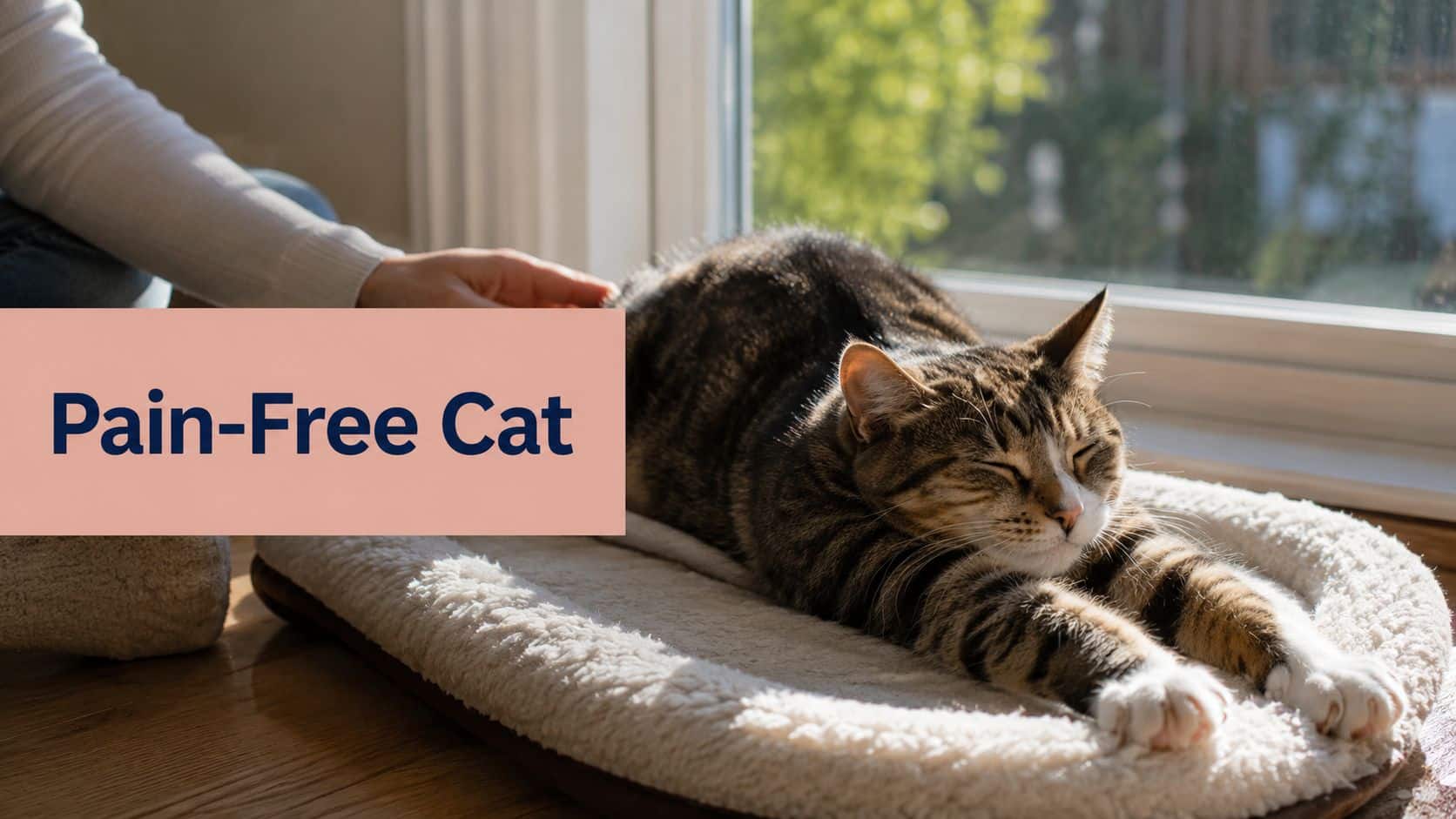
For anxious, senior, and mobility-limited pets, the trip to the clinic can become part of the medical problem. Owners often notice it first. Their dog starts trembling when the leash comes out. Their cat pants in the carrier. Their arthritic pet is more painful after the car ride than before the appointment.
Why Stress Changes Medical Care
Stress isn't just emotional. It can change appetite, mobility, heart rate, breathing pattern, muscle tension, and a pet's willingness to be examined. It also changes what the veterinarian is able to observe. A dog that paces, shakes, and braces in a clinic may not show the same gait, posture, or pain response seen at home.
Recent veterinary behavioral findings report that stress-induced cortisol spikes in clinical settings can delay tissue recovery by up to 40% in animals with chronic conditions, and 72% of senior pet owners in the South Tampa region cite visit anxiety as their primary deterrent to seeking consistent follow-up care, according to the Humane Society of Tampa Bay reference provided for this topic.
That's a major practical point. If a pet avoids follow-up because every visit is a struggle, the treatment plan breaks down.

Which Pets Benefit Most
In-home care isn't necessary for every patient. It tends to help most when the exam environment directly affects comfort, compliance, or recovery.
- Senior pets with arthritis: They don't have to manage slippery clinic floors, long waits, or car transfers.
- Neurologic and mobility-impaired pets: The veterinarian can assess how they rise, walk, turn, and rest in their normal environment.
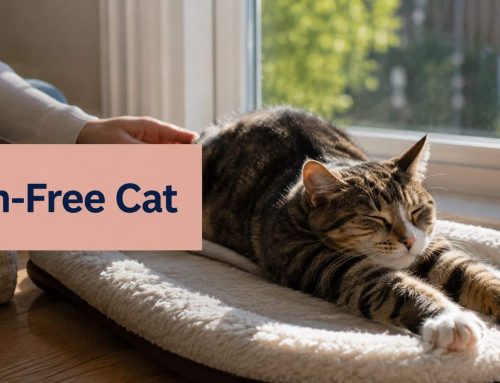
- Fearful dogs and cats: A quieter setting often allows a more complete exam with less force and less escalation.
- Palliative and chronic-care patients: Rechecks are easier to maintain when the appointment feels manageable.
What Integrative Care Adds
Integrative medicine adds tools that fit especially well into the home setting. Acupuncture, laser therapy, rehabilitation guidance, herbal support, and food therapy are often used for pain control, mobility support, and ongoing comfort.
One South Tampa option is the benefits of at-home vet care through PAW Vet Practice, which offers mobile integrative visits that complement a pet's regular veterinarian rather than replace hospital-based care.
A calmer appointment often produces better information. You see the pet's real movement, real habits, and real comfort level instead of a stress response.
What doesn't work as well is using in-home care for problems that clearly need hospital equipment, surgery, intensive monitoring, or emergency stabilization. Home care shines when the goal is better follow-through, gentler handling, and practical support for chronic conditions.
Modern Therapies for Pet Pain and Mobility
When people hear “integrative care,” they sometimes assume it means vague or purely comfort-based treatment. In practice, modern non-invasive therapies are often used very specifically. The goal is to reduce pain, improve movement, and support healing in pets who need more than rest but don't always need hospitalization.
Acupuncture And Laser In Plain Terms
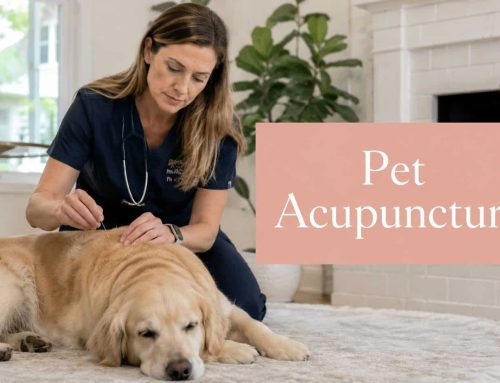
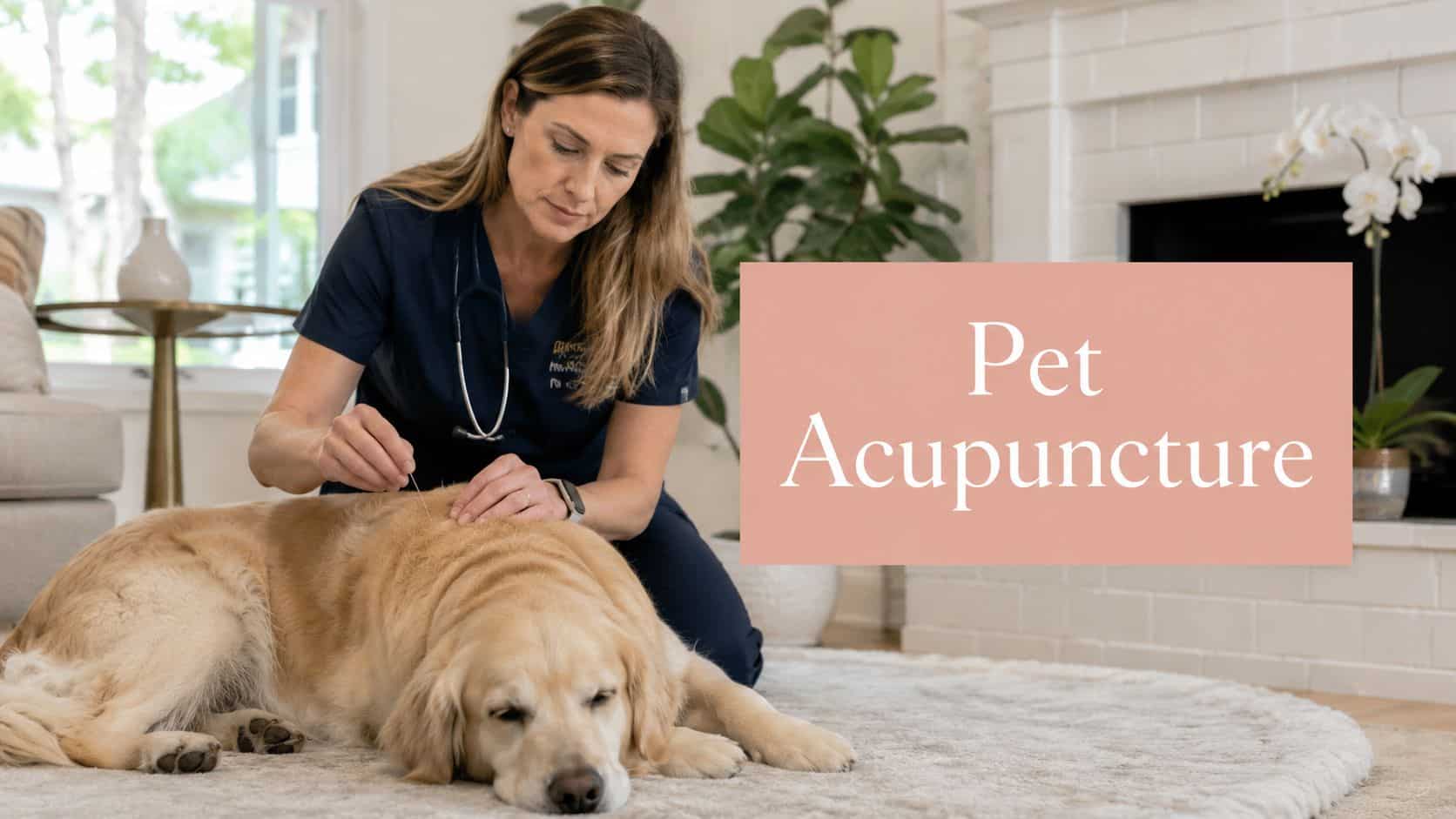
Veterinary acupuncture uses precise needle placement to stimulate the nervous system and support the body's own pain-modulating responses. For some pets, it helps reduce stiffness, muscle guarding, and discomfort from arthritis or neurologic disease. The treatment is usually quiet and measured, and many pets relax once they settle.
Laser therapy is easier to understand if you think of it as targeted light energy delivered to tissue that's inflamed or healing. In everyday terms, it acts like a form of cellular support. The goal is to reduce inflammation, ease pain, and help recovery move more efficiently.

Rehabilitation At Home
Pain management works better when it includes function. That's where rehabilitation comes in. A good home plan may involve controlled movement, flooring changes, safe transition strategies, simple strengthening work, or exercises built around how the pet uses the house every day.
That practical piece matters. Owners are more likely to follow through when the plan fits their schedule and living space.
Why Proactive Care Matters
Emerging industry data indicates that 68% of emergency visits for senior dogs are related to acute pain crises or mobility failures that could be managed proactively with home-based therapies like acupuncture and laser, potentially helping families avoid costly emergency hospitalization, according to the VEG Tampa reference provided for this topic.
That doesn't mean every emergency can be prevented. It does mean waiting until a senior pet can barely rise, slips repeatedly, or crashes into a pain flare is often the most expensive and distressing way to manage chronic disease.
Home-based pain support works best when it starts before a crisis, not after one.
If your dog or cat is slowing down, struggling with stairs, hesitating before jumping, or having more bad days than good ones, a structured rehab at home healthcare service may be more useful than another cycle of “wait and see.”
A Patient Journey with PAW Vet Practice
A house call usually begins long before anyone arrives at the door. The first step is a detailed conversation about what the pet is doing at home. For a senior dog in South Tampa with arthritis, that might include how he gets up in the morning, whether he slips on tile, how long walks now last, where he sleeps, and what times of day seem hardest.

By the time Dr. Monica comes to the home, there's already a working picture of the problem. That changes the tone of the visit. The appointment doesn't begin with a frightened dog being pulled across a parking lot. It begins in the dog's own space, with familiar smells, familiar footing, and a body that isn't already tense from the trip.
What The Visit Looks Like
The exam is deliberate and calm. Dr. Monica watches how the dog stands, turns, and settles. She uses standard physical assessment, but she also looks at movement patterns, behavior cues, and integrative findings such as tongue and pulse observations. That combination helps shape a plan that matches both the diagnosis and the pet's day-to-day reality.
In many homes, the treatment happens in the pet's favorite spot. Some dogs lie on a rug near the couch. Some settle on their own bed. Cats often do best when allowed to choose a perch or quiet corner rather than being restrained onto a table.
During Treatment
An acupuncture session may start with only a few points, especially for a nervous first visit. Laser therapy can be added depending on the condition, comfort level, and goals. The point isn't to do everything at once. It's to choose what the pet can tolerate and what is most likely to help.
A later part of the visit often turns into owner coaching. That includes how to help with transitions, where to place rugs, how much activity is useful, what movements to avoid, and when to contact the primary veterinarian if symptoms change.
Here's a closer look at that care style:
What Owners Usually Find Most Helpful
The most meaningful part of a house call often isn't the treatment itself. It's the fact that the plan is built around the pet's actual home life.
- The environment is familiar: That lowers resistance for many anxious pets.
- The exam is more functional: The veterinarian sees the pet where problems really happen.
- The home plan is specific: Owners leave with changes they can start that day.
For South Tampa families managing arthritis, neurologic decline, chronic pain, or visit anxiety, that kind of appointment feels less like a one-time transaction and more like coordinated support.
Frequently Asked Questions About In-Home Vet Care
Do I Still Need a Regular Vet If I Use a Mobile Service
Yes. In-home veterinary care usually works best as a complement to your primary veterinarian, not a replacement. Your regular clinic is still important for wellness care, lab work, imaging, surgery, prescriptions that require in-clinic follow-up, and any urgent issue that needs hospital equipment. Mobile integrative care fits alongside that by helping with pain relief, mobility, recovery support, and follow-up in a lower-stress setting.
Is In-Home Veterinary Care More Expensive Than a Clinic Visit
It depends on the service and the case. A house call includes travel, one-on-one time, and a different style of appointment, so it shouldn't be compared only to the price of a brief standard visit. The better question is value. For many owners, the value is in reduced stress, easier follow-up, a more realistic home-based plan, and fewer missed rechecks because the pet can tolerate the process.
If a pet needs ongoing care and clinic stress keeps derailing treatment, the least expensive option on paper may not be the most effective option in practice.
Which Neighborhoods In South Tampa Do You Service
Service area matters, especially with house calls. This practice serves South Tampa, so it's smart to confirm your neighborhood when you reach out. If you live nearby but aren't sure whether you're included, ask before planning care. That saves time and makes scheduling easier.
If your dog or cat has become harder to transport, more anxious with each visit, or less comfortable moving through daily life, asking about in-home options is reasonable. It's often the step that helps owners stop delaying care and start getting consistent support again.
If your pet in South Tampa is dealing with arthritis, mobility changes, chronic pain, or clinic visit anxiety, Pet Acupuncture & Wellness (PAW Vet Practice) offers in-home integrative veterinary care designed to work alongside your regular veterinarian. You can reach out to discuss whether a house-call consultation is the right fit for your dog or cat's needs.