If you're reading this, you may already have that uneasy feeling. Your older dog still greets you at the door, but gets up more slowly. Your senior cat still eats, but no longer jumps to her usual spot on the couch. Nothing looks dramatic. That's exactly why pain gets missed.
Most owners in South Tampa don't ignore pain. They misread it. They see “slowing down,” “getting picky,” “sleeping more,” or “being grumpy,” and assume it's merely age. Sometimes age is part of the story. But age by itself doesn't explain discomfort. Aging often changes how pain shows up.
In practice, the pets who worry me most are often not the ones crying out. They're the quiet ones. The dog who pants more at night. The cat who starts grooming less. The pet who still has good moments, but whose routine has shifted in small, persistent ways. Those are often the patients telling us something important.
The good news is that learning how not to miss the sign of pain in a senior dog or cat does not require veterinary training. It requires a better observation system. If you know what to watch, and you stop waiting for a limp or a yelp, you can catch problems earlier and help your pet stay comfortable longer.
For many families, this is also part of a bigger conversation about comfort and day-to-day well-being. If you're already wondering how these subtle changes fit into the bigger picture, this guide to pet quality of life can help you think about what your pet's normal looks like now.
Introduction Is It Just Old Age or Is It Pain

A common conversation goes like this. “She's still eating.” “He still wants to go outside.” “She's old, so I figured she was just slowing down.” Those are loving observations, but they can blur the line between normal aging and chronic pain.
Older pets do change with time. They may sleep more, move more cautiously, or need more recovery after activity. What matters is change from that pet's own baseline. A dog who has always loved stairs but now pauses at the bottom is telling you something. A cat who has always been tidy but starts leaving her coat unkempt may be telling you something too.
What Owners Often Miss
Pain in senior pets is usually not dramatic. It often shows up as less. Less jumping. Less grooming. Less patience. Less interest in moving across slippery floors. Less enthusiasm for being touched in certain spots.
That's why a simple list of symptoms doesn't help enough. You need context. You need to ask, “What has changed in this pet's routine, posture, movement, sleep, and social behavior over the last days or weeks?”
Pain often looks like a quiet loss of ease, not a clear crisis.
A Better Way To Think About It
Don't ask only, “Is my pet limping?” Ask these questions instead:
- Movement: Are they slower rising, turning, or lying down?
- Habits: Have they stopped doing one normal daily activity?
- Mood: Are they more withdrawn, clingy, tense, or irritable?
- Touch: Do they resist grooming, petting, nail trims, or being lifted?
That shift in thinking helps owners notice pain before a pet reaches the stage of obvious distress.
Why Senior Pet Pain Is So Often Missed
One reason pain slips past owners is simple. Dogs and cats rarely present pain the way people expect. They don't always cry, hold up a leg, or look “sick.” Many continue eating, walking, and interacting while still uncomfortable.
Another reason is biology. Animals are wired to hide weakness. That doesn't mean your pet is being stoic on purpose. It means visible suffering is often a late sign, not an early one.

The Medical Part Owners Don't See
A major veterinary review from Morris Animal Foundation reports that osteoarthritis is seen on radiographs in about 20% of dogs over 1 year of age, and among cats, about 90% of cats over 12 years old show X-ray evidence of osteoarthritis in this osteoarthritis review from Morris Animal Foundation. That matters because many pets with chronic joint pain don't look severely impaired at first.
Owners often feel guilty when they learn this. They shouldn't. Silent pain is common. The main issue is that people are taught to watch for extreme signs, while chronic pain usually starts with subtle friction in daily life.
If you want a gentler, home-focused approach to evaluating those changes, compassionate pet care in South Tampa can make these conversations less overwhelming.
The Mindset Shift That Helps Most
Stop waiting for proof that feels undeniable. Start looking for patterns.
A painful senior pet may still wag, purr, ask for treats, and have a decent appetite. What changes first is often function. They choose the easier path. They hesitate before climbing. They avoid hard landings. They sleep in a different place because it's easier to reach.
Practical rule: If your senior pet is “fine overall” but has a repeated change in comfort, mobility, or routine, treat that as meaningful until a veterinarian says otherwise.
What Doesn't Work
These habits cause delays:
- Waiting for vocalization: Many painful pets never cry out.
- Assuming age explains everything: Age increases risk. It does not explain away pain.
- Looking for one perfect symptom: Chronic pain often appears as several small changes, not one dramatic clue.
Owners who catch pain early usually aren't more anxious. They're more observant.
Recognizing Subtle Pain Signals In Your Senior Dog
Senior dogs often tell us they hurt by becoming different versions of themselves. The friendly dog becomes reserved. The dog who used to settle easily starts pacing at night. The dog who loved car rides suddenly resists getting in.
Cornell's guide notes multiple nonverbal indicators of pain in dogs, including altered posture, stiffness, trouble moving, pacing, lethargy, excessive panting, loss of appetite, altered sleeping patterns, and uncharacteristic indoor accidents in Cornell's canine pain guide.
Everyday Changes That Matter
Think about your dog's normal day. Pain often appears in the transitions.
A dog may still enjoy the walk, but dread the harness being put on. He may still go outside, but take longer to stand up afterward. He may still want to be near you, but no longer wants a hand on his lower back or hips.
Watch for changes like these:
- Resting behavior: Moving from room to room, struggling to settle, or waking more at night
- Panting at the wrong time: Panting indoors at rest, especially without heat or exercise
- Social shifts: Less greeting, less interest in family activity, or mild irritability
- Handling sensitivity: Pulling away during brushing, toweling off, nail trims, or being lifted
What This Looks Like In Real Life
The dog who stops jumping into the car is often labeled stubborn. The dog who lags behind on walks is often called old. The dog who starts having accidents indoors is often blamed on aging or training. Sometimes those explanations fit. Sometimes the dog is simply uncomfortable and trying to avoid pain.
That's one reason therapies focused on comfort and mobility can become part of the plan after an exam. For dogs with pain related to movement, some families explore options like laser therapy for dogs as one part of broader pain management.
If your dog's personality seems flatter, tenser, or less tolerant, think pain before you think behavior problem.
What Works Better Than Guessing
Compare your dog today with your dog last month, not with another dog. Chronic pain is personal. The earliest clue is often not severity. It's inconsistency with that dog's usual habits.
Decoding The Secretive Pain Of Your Senior Cat
Cats are experts at looking fine when they aren't. That's why cat owners often describe the problem with one sentence. “Nothing big is wrong, but something feels off.” That instinct is worth trusting.
Pain in cats usually does not announce itself with obvious limping or crying. It shows up as altered choices. The cat still moves, but not the same way. Still uses the litter box, but less reliably. Still interacts, but on different terms.
The Feline Pattern Is Often Indirect
Experts have identified 25 sufficient behavioral signs to infer pain in cats, including sensory or motor changes such as difficulty jumping and affective changes such as altered mood or temperament, in this feline pain review on PubMed Central. That finding matters because cats often do not give us one required sign. Instead, they give us clusters of subtle changes.
A cat with pain may hesitate before jumping onto a bed she used daily. She may pull herself up in stages rather than springing. She may stop using a favorite windowsill because the route is too uncomfortable.
Small Habits With Big Meaning
These are common red flags in older cats:
- Jumping changes: Pausing, misjudging distance, choosing lower surfaces, or avoiding stairs
- Grooming changes: Looking greasy, matted, flaky, or less tidy over the back and hips
- Litter box changes: Accidents outside the box, especially when climbing in or posturing is uncomfortable
- Touch changes: Flinching, swishing the tail, walking away, or resisting being brushed
Cats with chronic discomfort also may hide more, interact less, or seem “crankier” without any obvious injury.
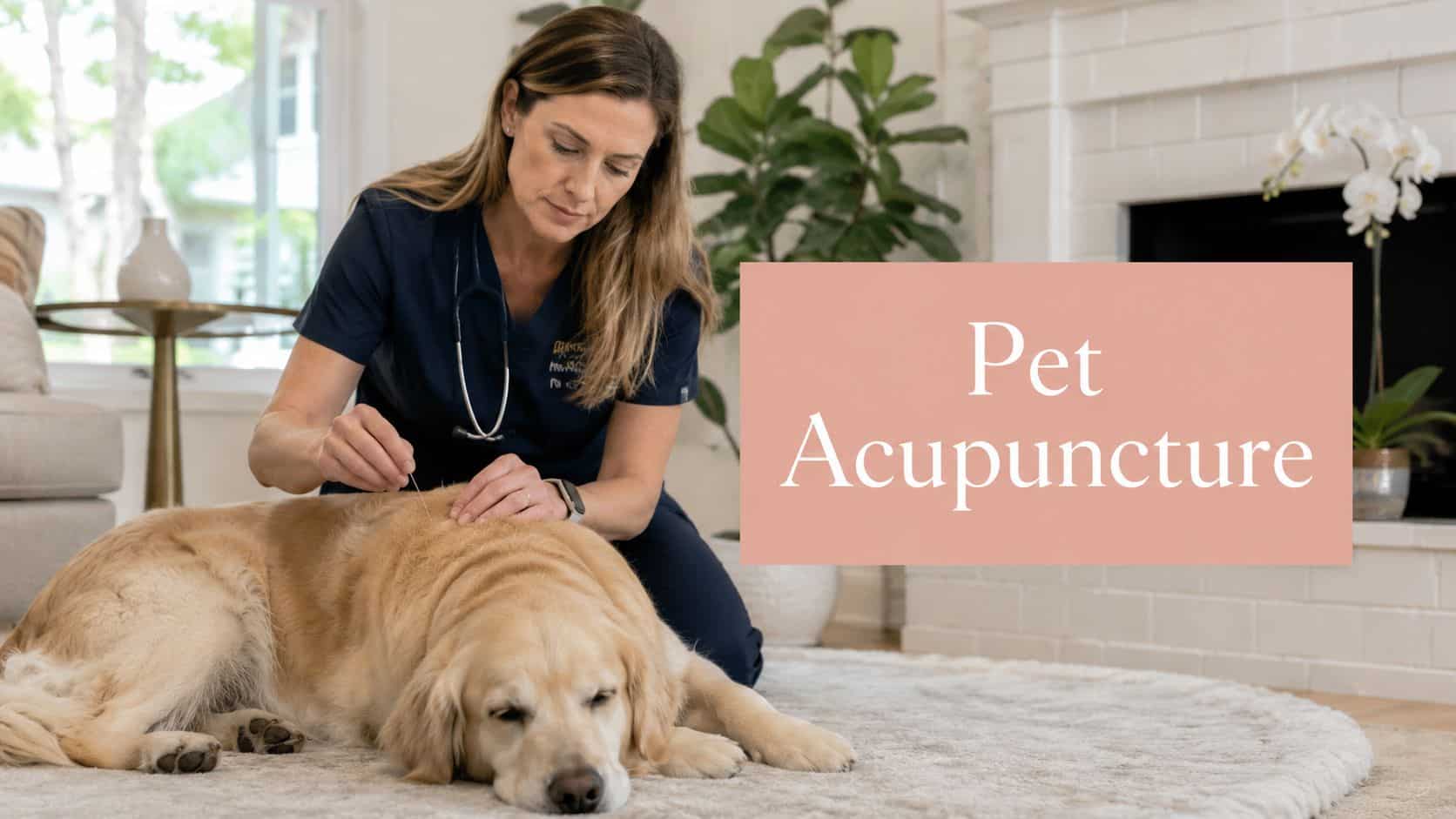
For some senior cats, a lower-stress treatment setting and integrative pain support can be helpful once a veterinarian identifies the source of discomfort. One local option owners sometimes consider is acupuncture for cats in South Tampa.
A cat who stops doing one normal cat thing is often more concerning than a cat who looks dramatic for one hour and then returns to normal.
The Mistake To Avoid
Don't dismiss litter box accidents, reduced grooming, or less jumping as attitude. In older cats, those are often physical clues first and behavioral clues second.
Your At-Home Pain Observation Checklist
The most useful thing you can do at home is stop relying on memory. Memory smooths things over. It turns “she hesitated on the stairs three times this week” into “she's been a little slower lately.” That difference matters.
A practical owner strategy is to watch for routine drift, including changes in sleeping places, reluctance to jump, shifts in grooming, eating posture, nighttime restlessness, or social withdrawal, and to document those changes with notes or video, as explained in this guide to recognizing chronic pain in senior pets.

Mobility And Posture
Start with mechanics. Watch your pet when they don't know you're evaluating them.
- Getting up: Do they push up smoothly, or rock forward and struggle?
- Walking: Are steps shorter, stiffer, wider, or more careful on slick floors?
- Transitions: Do they hesitate before stairs, furniture, the car, or the litter box?
- Posture: Do they stand unevenly, tuck the abdomen, hunch, or sit differently than before?
Daily Habits And Routine
This category catches a lot of early pain cases.
- Sleeping location: Have they started choosing places that are easier to reach?
- Nighttime behavior: Are they restless, pacing, or unable to settle?
- Eating posture: Do they lower the head carefully, shift weight while eating, or stop sooner?
- Grooming: Is the coat less maintained, or is one area being licked repeatedly?
Mood And Social Behavior
Pain often changes how a pet relates to the household.
- Interaction: Less greeting, less cuddling, or less tolerance for touch
- Irritability: Growling, swatting, pulling away, or seeming “touchy”
- Withdrawal: Spending more time alone or hiding more than usual
- Engagement: Reduced interest in walks, toys, windows, or normal family activity
Record short videos of stair use, rising from bed, jumping, and walking across the house. A veterinarian can learn a great deal from thirty seconds of normal home behavior.
How To Track It Without Overcomplicating It
Keep a note on your phone. Use simple entries such as date, what changed, how often, and what activity triggered it. “Didn't jump onto sofa tonight.” “Panting at rest after short walk.” “Avoided stairs all weekend.” “Growled when hips were touched.”
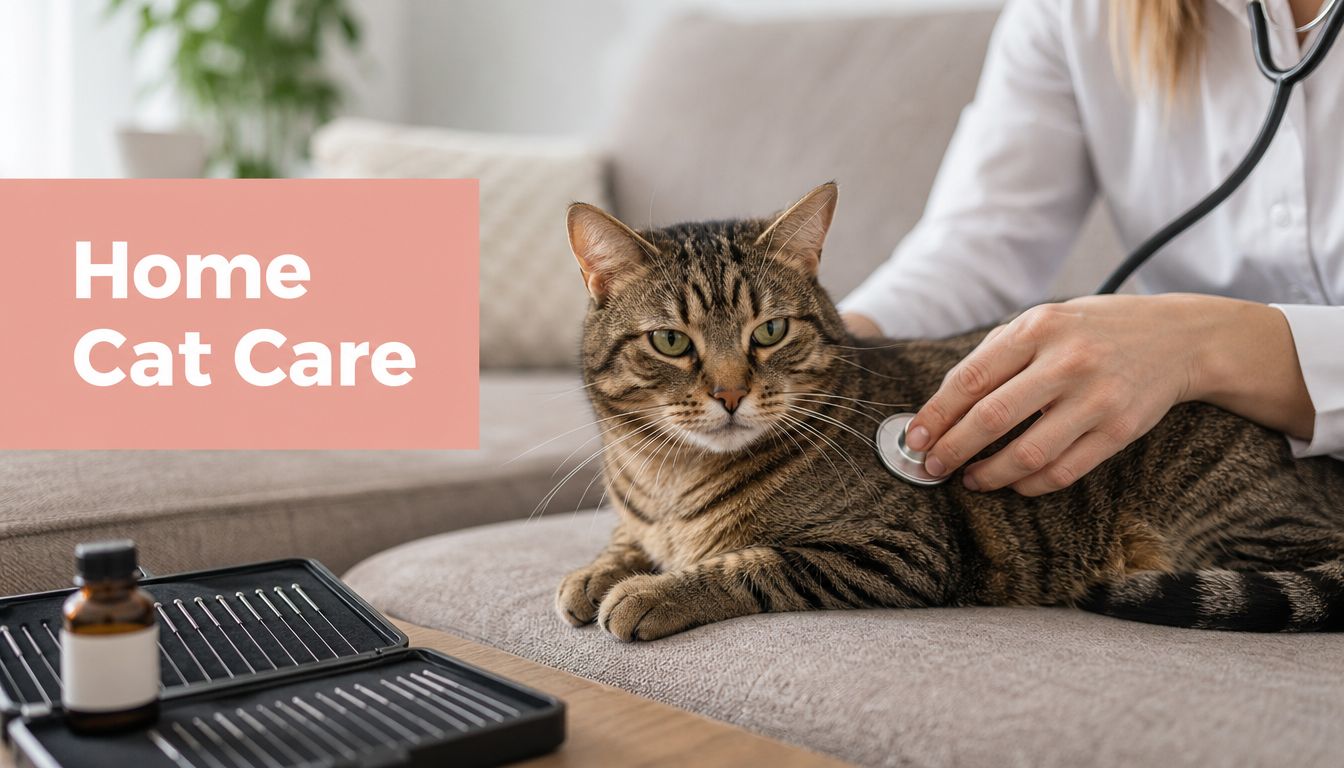
If getting to a clinic is hard on your pet, families often find that the benefits of at-home vet care include better observation of normal behavior and less stress during evaluation.
What works is consistency, not perfection. One persistent change is worth noting. Several small changes together are even more important.
What To Do With Your Observations In South Tampa
Once you've noticed a pattern, don't wait for it to become obvious. Bring the observations to a veterinarian while the problem is still subtle. Early pain cases are often easier to manage than late ones, especially when the pet is still functioning fairly well at home.

What A Good Pain Workup Looks Like
The 2022 AAHA pain-management guidelines recommend using response to palpation, clinical metrology instruments, and behavioral signs in a structured pain scoring system, often confirmed by observing the pet's response to a trial of pain medication in the AAHA pain management guidelines for dogs and cats.
That means a thoughtful exam doesn't rely on one clue. It combines what you've seen at home with what the veterinarian feels on exam and how the pet responds to treatment. This is far better than “let's just watch it” when the signs have already been recurring.
Bring these things to the visit:
- A short timeline: When did the change start?
- Specific examples: “She won't jump onto the bed anymore” is better than “she seems old.”
- Videos: Getting up, walking, stairs, jumping, eating, and litter box entry if possible
- Trigger patterns: Worse after rest, after activity, at night, or on slippery floors
Why Home Assessment Can Help
Senior pets, especially cats and anxious dogs, often hide or distort their symptoms in the clinic. Some shut down. Some tense up and look worse. Some become so stimulated that their normal movement pattern disappears.
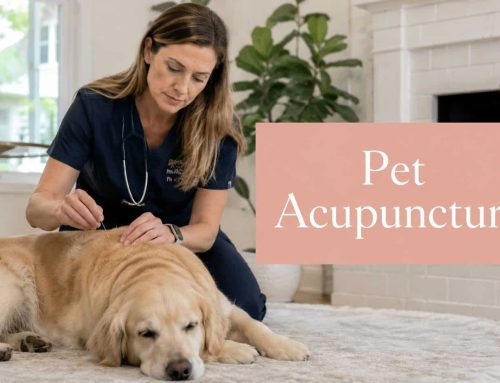
For families in this area, a mobile service such as Pet Acupuncture & Wellness (PAW Vet Practice) can evaluate pets in the home environment and provide integrative support that complements the primary veterinarian, including pain relief and mobility-focused care for dogs and cats in South Tampa.
A home setting can make it easier to evaluate how the pet rises from its own bed, moves across its own floors, and responds to handling in a familiar place.
Here's a brief look at what a home-centered comfort approach can involve.
What To Do While You're Waiting For The Appointment
You don't need to be passive.
- Reduce strain: Add rugs or yoga mats on slick floors.
- Improve access: Use steps, ramps, low-entry litter boxes, and easy-to-reach resting spots.
- Support rest: Offer thick bedding in warm, quiet areas.
- Avoid self-medicating: Don't give human pain medicines unless a veterinarian specifically directs you to.
Trust your own notes. Owners often notice pain early, even before they can fully explain it.
Frequently Asked Questions About Senior Pet Comfort
Can My Pet Still Be In Pain If They're Still Eating
Yes. Appetite alone is not a reliable pain screen. Many older pets continue eating while their mobility, sleep, grooming, posture, or behavior gradually worsen. A pet can be uncomfortable and still look interested in meals.
My Dog Still Wags His Tail And Wants To Be Near Me. Does That Mean He's Fine
Not necessarily. Dogs can stay social and loving while hurting. Tail wagging means emotional connection in that moment. It does not rule out arthritis, spinal pain, soft tissue pain, or other chronic discomfort.
My Cat Is Acting Grumpy. Is That Behavioral Or Medical
In senior cats, irritability is often worth treating as medical until proven otherwise. Cats in pain may resist being picked up, brushed, or approached in certain ways. If the mood shift is new, especially alongside less jumping or less grooming, a pain evaluation is warranted.
What Home Changes Help Right Away
A few practical changes often improve comfort while you arrange veterinary care:
- Traction: Non-slip rugs on favorite walking paths
- Access: Ramps, pet stairs, or lower resting spots
- Bedding: Soft, supportive beds in easy-to-reach areas
- Litter setup for cats: Low-sided boxes in convenient locations
- Routine: Predictable feeding, lighting, and rest patterns
Is It Ever Just Old Age
Aging changes the body, but “old age” is not a diagnosis. If a senior pet is slowing down, becoming less tidy, avoiding stairs, sleeping differently, or resisting touch, that change deserves a medical explanation. Sometimes pain is the answer. Sometimes another senior issue is involved. Either way, it shouldn't be dismissed.
When Should I Call
Call when a change persists, repeats, or interferes with normal daily function. You do not need to wait for a crisis. If your pet seems less comfortable in ordinary life, that is enough reason to ask for help.
The most useful mindset is simple. Don't wait for suffering to look dramatic. Notice the drift. Write it down. Act on it.
If your senior dog or cat in South Tampa seems “not quite right,” a calm, in-home evaluation can help you sort out whether you're seeing normal aging, chronic pain, or both. Pet Acupuncture & Wellness (PAW Vet Practice) provides mobile, integrative veterinary care focused on comfort, mobility, and quality of life, so your pet can be assessed where they feel safest.