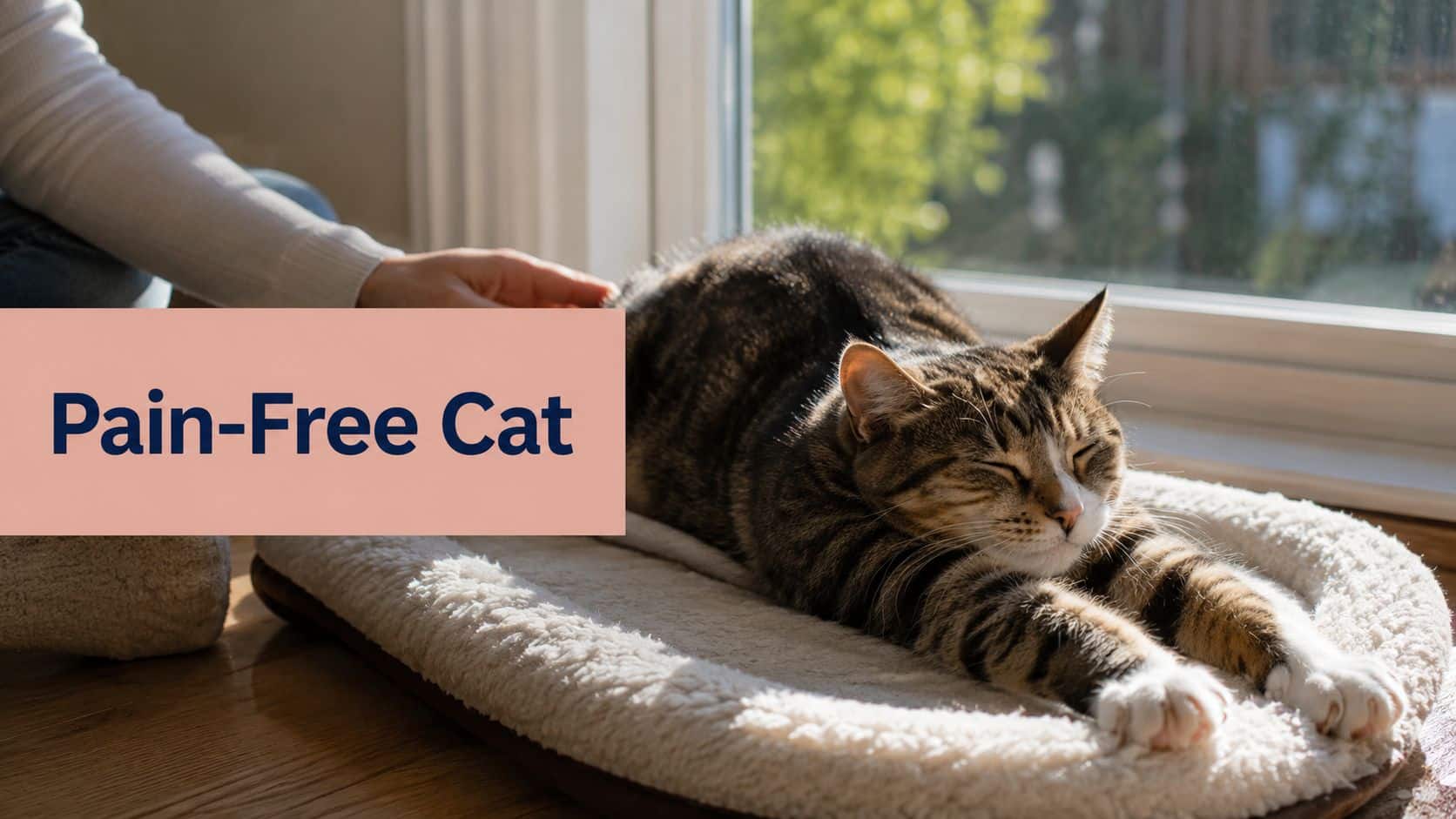
You notice it in small moments first. Your dog pauses before stepping off the couch. Your cat no longer jumps to the windowsill she used every afternoon. Nothing looks dramatic, but something has changed, and you can feel it.
For many families in South Tampa, that's the point where the question shifts. It's no longer only “What's wrong?” It becomes “How do I make them more comfortable, right now, in the life they already have at home?” That question sits at the heart of compassionate pet care.
When Your Pet's Comfort Comes First
A senior dog who used to trot to the door now takes a few extra seconds to stand. A cat who always slept on the bed chooses the floor beside it instead. These changes are easy to dismiss as “just aging,” but they often mean your pet is working harder than they used to, whether from stiffness, pain, anxiety, weakness, or simple fatigue.

What caring owners usually want in that moment isn't a complicated speech. They want practical help. They want to know whether a softer bed matters, whether stairs are becoming painful, whether a car ride to a clinic is more stress than their pet can handle, and whether there's a way to support comfort without turning every concern into a crisis.
The Question Behind The Symptoms
Compassionate pet care starts with a simple idea. Your pet's daily experience matters as much as the diagnosis. That means paying attention to sleep, movement, appetite, bathroom habits, tolerance for touch, and how much effort routine tasks now require.
Some of the most important signs of discomfort are quiet ones. Slower rising, less jumping, more hesitation, new clinginess, and new withdrawal all count.
That approach reflects a larger shift in how families care for animals. Global research from HealthforAnimals reports that more than half of the world's population is estimated to have a pet at home, and 70% of U.S. households owned a pet as of 2021, up from 68% in 2016. The same report notes that care models have increasingly moved toward convenience, comfort, and emotional support, not just treatment alone, as outlined in the Global State of Pet Care report from HealthforAnimals.
Comfort Is A Daily Plan
For older pets especially, comfort doesn't come from one big decision. It comes from dozens of small ones done consistently. Better footing on the floor. Easier access to food and water. Less strain during travel. Less fear during exams. More thoughtful pain support. More realistic conversations about quality of life.
To judge whether your companion is still enjoying daily life, a structured pet quality of life guide can help you put observations into words and notice patterns sooner.
What Compassionate Pet Care Really Means
Compassionate pet care isn't soft medicine. It's structured care that treats comfort, stress, and function as medical priorities.
When people hear the word “compassionate,” they sometimes think it means being kind. Kindness matters, but on its own it isn't enough. A compassionate plan asks better questions. Is this pet painful when turning? Are clinic visits worsening fear? Is the current routine realistic for the family? Can we improve function at home instead of adding more stress?

Central philosophy: Compassionate care protects quality of life by reducing suffering, preserving dignity, and adapting treatment to the pet in front of you.
The Three Parts That Matter Most
Compassionate care usually comes down to three working parts:
- Physical comfort: Pain relief, mobility support, hydration, appetite support, and reducing the physical effort required for normal routines.
- Emotional safety: Lowering fear during handling, travel, treatment, and recovery.
- Individual fit: Matching the care plan to the pet's temperament, household setup, and stage of life.
A pet with arthritis may need a different plan than a pet with cancer. A nervous cat may need a different exam strategy than a social senior Labrador. A family managing multiple medications and stairs needs a plan that can be followed.
Why Stress Reduction Changes Care
Low-stress handling matters. Compassionate veterinary care can be put into practice as a stress-reduction protocol. In fear-free or low-stress models, clinicians avoid forced restraint and give animals control signals. That matters because stress can raise heart rate, muscle tension, and pain sensitivity, making exams harder and less accurate, as described in this guide to compassionate veterinary telehealth services.
In plain terms, a frightened pet often looks sicker, tighter, more reactive, and less cooperative than they do at home. Owners know this instinctively. The dog who trembles in the parking lot or the cat who freezes in a carrier isn't showing you their normal self.
What Works And What Usually Doesn't
What tends to work:
- Predictable handling: Slow movements, pauses, treats when appropriate, and allowing position changes.
- Environment-aware planning: Examining a pet where they naturally settle, not forcing them onto a slick metal surface if that adds fear or pain.
- Simple home instructions: Clear, doable steps beat long lists that no one can keep up with.
What usually doesn't work:
- Pushing through resistance: If every step becomes a battle, the process itself can worsen fear and pain.
- Treating mobility as only an age issue: “Old age” is not a treatment plan.
- Separating medical care from daily function: If the pet can't comfortably eat, rest, walk, or get outside, those issues need attention now.
Signs Your Pet May Benefit from In-Home Care
Some pets don't need a clinic to be diagnosed with stress. They show you every time the carrier comes out, every time the leash means a car ride, or every time handling becomes harder than it used to be.

For senior pets and pets with chronic illness, home-based care often makes sense because the hardest part isn't always the treatment. Sometimes it's the trip. Commentary on end-of-life and mobility support has pointed out a real gap in practical guidance for keeping pets comfortable at home without repeated stressful visits, especially as senior care is increasingly treated as a long-term comfort issue, as discussed in this article on compassionate end-of-life care for companion animals.
Changes In Movement
Watch for the signs owners often notice only in hindsight:
- Stiffness after rest: Your dog gets up slowly in the morning, then “walks out of it.”
- Hesitation with height changes: Your cat stops jumping onto furniture, or your dog avoids stairs.
- Uneven movement: Shortened stride, toe dragging, shifting weight, or trouble turning tightly.
- Reduced stamina: Walks get shorter, and your pet wants to head home sooner.
These pets often do better with an evaluation in familiar surroundings, where gait, posture, flooring, and daily obstacles can be observed directly.
Shifts In Mood And Behavior
Pain and stress rarely announce themselves clearly. They often look like behavior changes.
- New irritability: A usually tolerant pet resists brushing, lifting, or touch over certain areas.
- Withdrawal: Less greeting at the door, more time alone, less interest in favorite routines.
- Restlessness: Pacing at night, frequent repositioning, or difficulty settling.
- Household changes: New accidents, vocalizing, or scratching and agitation that seem out of character.
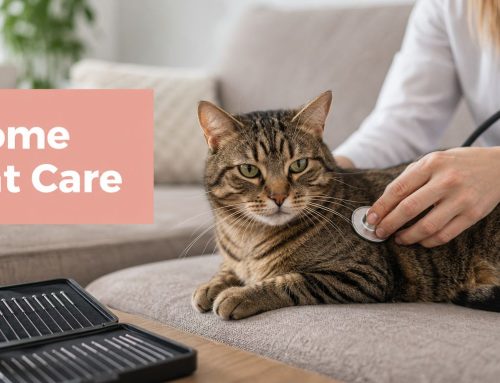
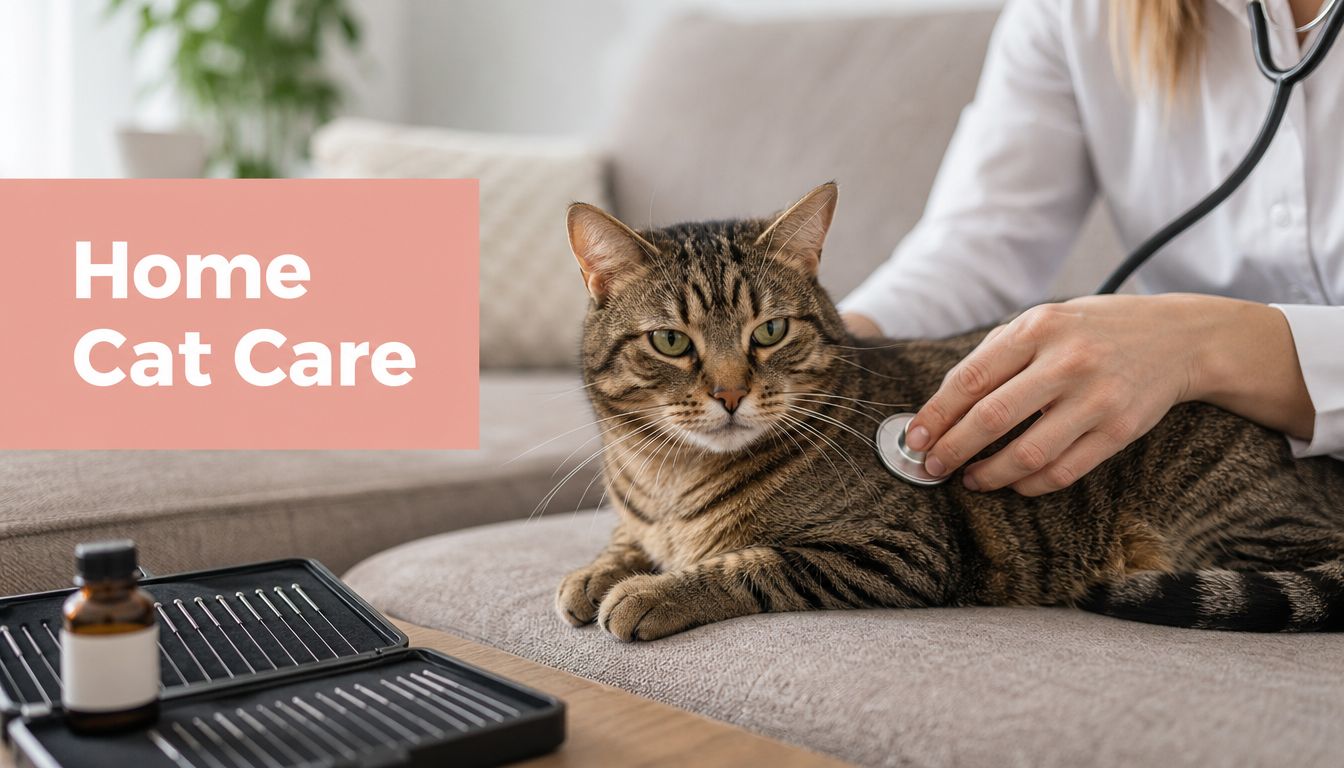
If your pet acts “fine” at the clinic but struggles at home, that difference matters. A house call often reveals what the pet's normal body language looks like.
Here's a helpful look at the home-visit model in practice:
Travel And Clinic Aversion
Some of the clearest candidates for in-home care are pets who deteriorate emotionally before the exam even begins.
If transport causes trembling, panting, drooling, hiding, vocalizing, or shutdown behavior, the travel itself has become part of the medical problem.
A home visit may be worth considering if your pet:
- Fights the carrier or car ride
- Becomes exhausted after appointments
- Needs days to recover emotionally
- Has fragile mobility or pain that worsens with transport
Families in South Tampa who want a calmer option can compare the practical advantages of at-home veterinary care when travel, fear, or mobility are becoming major barriers.
How You Can Improve Comfort and Mobility at Home
Your dog stands up after a nap, hesitates on the tile, and takes a few careful steps before settling into a slow walk. Your cat still wants to be near the family but no longer jumps to her usual spot on the couch. Those small moments at home often show where comfort is being lost, and they also show where simple changes can help.
The home setup matters because pets repeat the same movements all day. Getting up, turning corners, reaching water, stepping outside, and lying back down all place demands on sore joints and tired muscles. In senior pets, reducing strain in those everyday moments often improves comfort more than owners expect. For families thinking through quality of life and home support, this overview of compassionate planning offers a helpful outside perspective.
You do not need to redo the house. Start with the places your pet uses every day and fix the spots that create slipping, straining, or hesitation.
Make Floors Easier To Navigate
Slick flooring is one of the most common home obstacles I see in older pets. A dog may look strong enough to walk, but if each step feels uncertain, that pet starts moving less. Then muscle support drops, stiffness increases, and confidence fades.
A few targeted changes usually help:
- Add traction where your pet already walks: Use non-slip runners near beds, food bowls, favorite resting spots, and doorways.
- Create safe transition points: Cushion and stabilize the area where your dog gets off the couch or where your cat steps down from a low perch.
- Open up tight walkways: Pets with weakness or poor balance do better when they can move in a straight, clear path.
Even one bad slip can change a pet's willingness to move.
Upgrade Resting And Feeding Areas
Beds and bowls affect comfort every single day. The goal is support, easy access, and less effort getting into position.
- Choose a supportive bed: Very soft beds can make it harder for arthritic pets to rise.
- Place resting spots near family activity: Many senior pets relax better when they can stay close without having to follow you from room to room.
- Adjust bowl height carefully: Raised bowls can help some pets with neck or shoulder discomfort, but the height has to fit the pet's natural posture.
This is one area where real-life habits matter more than product marketing. The right bed is the one your pet can get into easily, rest on comfortably, and leave without struggling.
Reduce The Work Of Daily Routines
Small tasks add up over the course of a day. If your pet has to climb, twist, brace, or travel too far for normal needs, discomfort shows up faster.
Try these practical changes:
- Use ramps for common problem spots: Furniture, porch steps, and car access are frequent trouble areas.
- Shorten the route outside: Older dogs often do better with a quicker, easier bathroom trip.
- Keep essentials on one level: Food, water, bedding, and a quiet resting space should be close together.
- Keep nails trimmed: Long nails reduce traction and can change how a pet places weight on the feet.
A useful rule at home is simple. If a basic task looks harder than it should, change the setup before assuming your pet just needs to push through it.
Support Strength Without Overdoing It
Movement helps maintain function, but the dose matters. I often see two problems. Some families stop activity completely because they are afraid of causing pain. Others wait for a good day and then ask too much of the pet.
Steady, repeatable activity is usually the better choice:
- Short, regular walks instead of occasional long outings
- Gentle sit-to-stand exercises if your veterinarian recommends them
- Leash support on steps when balance is unreliable
- Extra rest after a flare-up instead of trying to stay on the usual schedule
The trade-off is that progress may look slow, but slow and consistent is often safer than doing too much at once. If your pet needs a more structured home program, a veterinarian-guided rehabilitation therapy plan for pets can turn these day-to-day observations into practical exercises that fit your home and your pet's limits.
PAW Vet's Approach to Integrative House Calls
A good house call shows me things an exam room cannot. I can see where a dog hesitates before lying down, whether a cat avoids a slick hallway, and how a pet moves during an ordinary morning instead of during a stressful trip across town. Those details shape a better plan.
In South Tampa, that matters for many senior pets. Families are often trying to balance pain control, mobility support, appetite changes, anxiety, and the realities of a home routine that has to be manageable day after day. An integrative house-call model brings those pieces together in one place, with the pet in the setting where the problems happen.

What Dr. Monica Looks At During A House Call
My first job is to watch before I change anything.
That means noticing how a pet gets up, how long it takes to settle, whether weight shifts off one limb, and which parts of the home create strain. I also look closely at the family's routine, because even an excellent plan will fall apart if it is too complicated to keep up with.
A useful house-call assessment often includes:
- Mobility review: Rising, walking, turning, posture, and transitions
- Pain mapping: Areas of tension, sensitivity, guarding, or reduced range of motion
- Routine analysis: Feeding setup, sleep areas, stairs, flooring, and bathroom access
- Family fit: Whether the plan is simple enough to maintain consistently
How Integrative Therapies Support Comfort
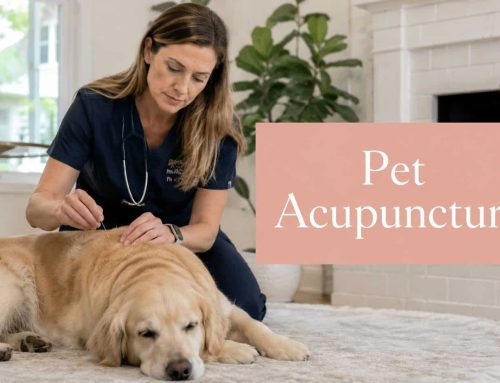
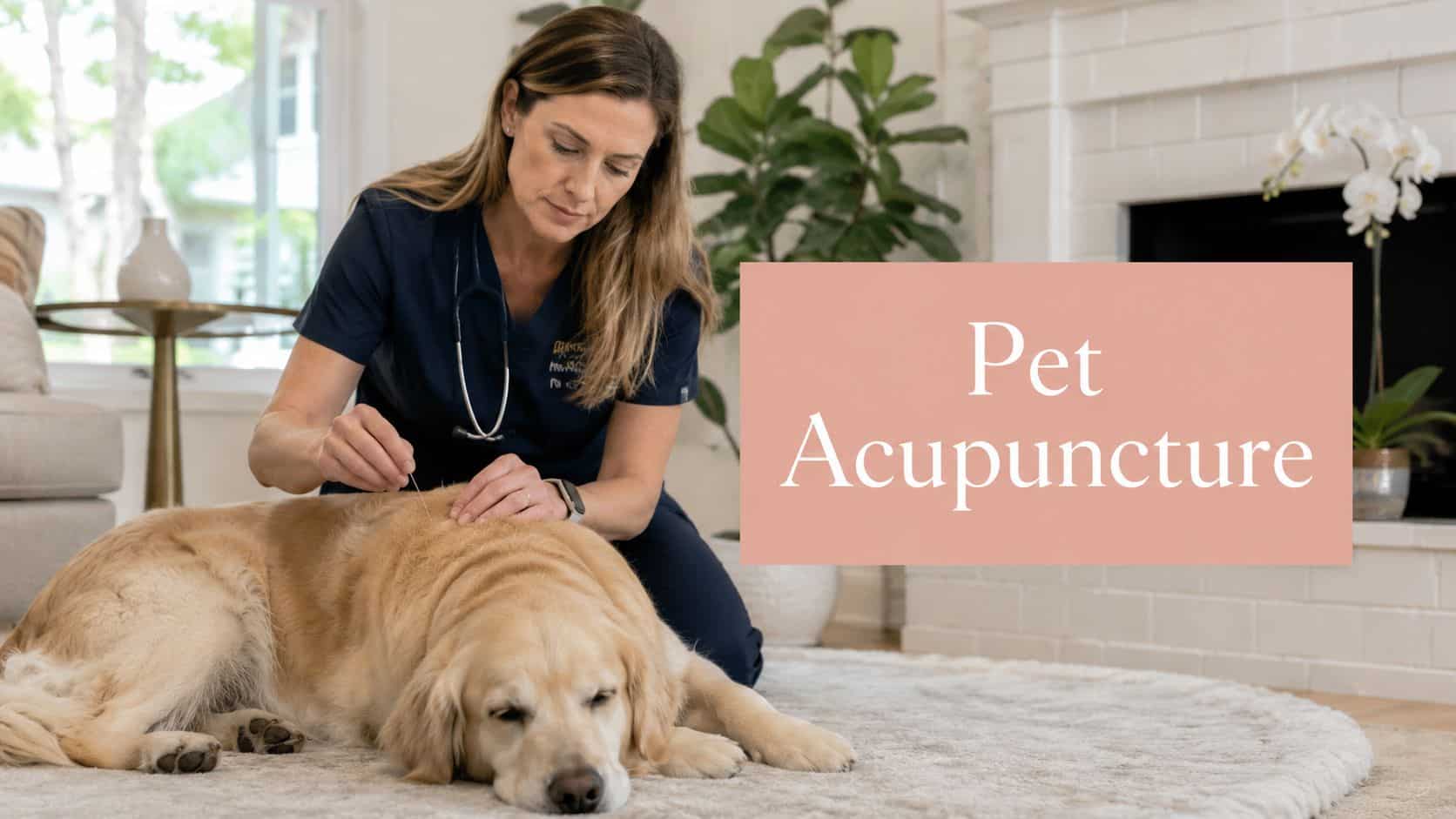
Integrative care works best when each therapy has a clear job. A pet with arthritis and muscle tension may benefit from acupuncture to reduce discomfort and help relaxation. A pet recovering from a flare-up may need laser therapy to support tissue healing and reduce inflammation. A weaker senior dog may need specific rehabilitation exercises to preserve strength and make daily movement safer.
Some pets also benefit from Chinese herbal or food therapy, especially when pain is only part of the picture and digestion, appetite, or energy are changing too. The trade-off is that no single tool solves every problem, and not every pet needs every option. The goal is a plan that fits the patient, the home, and the family's capacity to follow through.
For families interested in integrative veterinary care for pain relief, mobility support, and home-based treatment planning, the focus should stay practical. What will help this pet feel better this week? What can the family do safely at home? What needs rechecking if progress stalls?
Why The Home Setting Changes The Plan
Pets often show their true comfort level at home. A cat that hides or freezes in a clinic may stay visible long enough for a more accurate assessment. An older dog may walk more naturally on familiar ground, which makes it easier to spot weakness, stiffness, pacing problems, or fatigue. Owners also tend to give better detail when they can point to the rug, the step, or the corner of the kitchen where the trouble starts.
That leads to more realistic care. Instead of giving general advice, Dr. Monica can help families adjust the setup, choose the right therapies, and build a plan they can manage. Pet Acupuncture & Wellness (PAW Vet Practice) provides that type of mobile support in South Tampa, working alongside a pet's primary veterinarian with a focus on comfort, mobility, and quality of life at home.
What to Look for in a Mobile Vet Partner
Not every mobile service is built for the same kind of care. Some are designed mainly for convenience. Others are built for complex comfort issues, mobility support, and ongoing quality-of-life planning. If your pet is senior, painful, anxious, or living with a chronic condition, that difference matters.
The broader market is moving in this direction. Grand View Research projects the global pet care market will reach USD 283.67 billion by 2033, with growth linked to rising pet ownership and pet humanization. That expansion favors services centered on comfort, mobility, and emotional well-being, according to this pet care market analysis from Grand View Research.
Questions Worth Asking
A good mobile partner should be able to answer practical questions clearly.
Ask about these areas:
- Comfort focus: Do they routinely manage pain, mobility decline, anxiety, and senior-pet quality-of-life concerns?
- Treatment range: Can they offer more than a basic exam if your pet needs rehabilitation guidance, laser therapy, acupuncture, or home-care planning?
- Communication style: Do they clearly explain trade-offs, including what may help, what may not, and what requires referral?
- Collaboration: Will they work with your regular veterinarian instead of replacing that relationship?
Green Flags And Red Flags
Green flags include calm, specific explanations and plans that fit your home life. You want someone who asks about stairs, floors, sleeping spots, appetite, recovery after activity, and how your pet handles handling.
Red flags are just as important:
- One-size-fits-all recommendations
- No interest in your primary vet's records
- Big promises without discussing limitations
- A visit style that sounds rushed or purely transactional
A thoughtful mobile vet clinic serving Tampa should function like a care partner, especially when your pet's needs are ongoing rather than one-time.
Your Compassionate Pet Care Questions Answered
How Does This Work With My Regular Vet
It should be collaborative. A mobile veterinarian focused on pain, mobility, or wellness support doesn't have to replace your primary veterinarian. In many cases, the best care comes from combining roles clearly. Your regular vet may handle core diagnostics, prescriptions, or ongoing disease management, while the mobile veterinarian helps with home-based comfort strategies, rehabilitation guidance, and lower-stress follow-up.
What Happens During A First Visit
Expect a slower pace than a typical clinic appointment. The visit usually starts with history taking and observation. That includes how your pet moves through the home, where they rest, how they rise, and what daily tasks seem harder now. From there, the exam and treatment plan are developed for your pet's comfort and tolerance.
A useful first visit should leave you with a plan you can actually follow at home, not just a list of possibilities.
Is This Only For Hospice Or Very Old Pets
No. Compassionate pet care helps senior pets, but it also helps younger pets recovering from injury, pets with arthritis or neurologic changes, anxious pets that struggle with clinic visits, and pets who need a more individualized approach to comfort and function.
Is In-Home Care Worth It
For the right pet, yes. The value isn't only convenience. It's better observation, less travel stress, more realistic home recommendations, and often a calmer exam. For pets with mobility problems or fear around clinic visits, that difference can change how much care they're able to receive comfortably.
When Should I Reach Out
Reach out when you're seeing patterns, not only emergencies. If your pet is slowing down, avoiding stairs, resisting touch, struggling with car rides, pacing at night, or having more hard days than good ones, it's worth asking for help. Early support usually gives you more options and a gentler path forward.
If your dog or cat in South Tampa needs a calmer, more practical plan for pain relief, mobility, or quality-of-life support, Pet Acupuncture & Wellness (PAW Vet Practice) offers in-home integrative care with Dr. Monica. House calls are designed to reduce stress, fit your daily routine, and support your pet where they're most comfortable, at home.