If your senior dog is knuckling, it most often signals a neurologic problem that needs a veterinary evaluation. Knuckling happens when a dog’s paw folds under and the top of the foot drags or touches the ground instead of the pad. In older dogs, this is usually a sign of weakness or a miscommunication between the brain and the limbs, so it deserves attention, especially if it appears suddenly or comes with wobbliness, pain, or new accidents in the house.
TL;DR:
- Seek emergency care for sudden inability to walk, severe neck or back pain, absent deep pain response, or new bladder or bowel accidents.
- Slow, painless hind leg weakness can fit degenerative myelopathy; sudden painful knuckling suggests disc disease, while a sudden painless event may indicate a spinal stroke.
- Arrange evaluation within a day or two for worsening signs, intermittent dragging, or paw wounds; check pads and toes, but do not wait if stumbling.
- Veterinarians start with neurologic exams and bloodwork; MRI or CT can identify compression, while early guided rehabilitation supports mobility across many diagnoses.
- Until assessed, limit activity, cover slippery floors, block stairs, and record a walking video; start exercises only after a rehabilitation professional approves them.
Table of Contents
- Recognizing Knuckling and Early, Subtle Signs
- Common Neurologic Causes in Senior Dogs and How to Tell Them Apart
- Non-Neurologic Mimics: Paw Problems, Arthritis, and Metabolic Causes
- Triage: Red Flags Versus Schedule-a-Visit Signs
- What to Expect From a Veterinary Diagnosis
- Treatment and Rehabilitation: Realistic Options for Senior Dogs
- At-Home Safety and Mobility Supports While Pursuing Care
- Prognosis: Timelines and Likely Outcomes
- How Mobile Integrative Care Complements Conventional Treatment
- At-Home Rehabilitation Exercises for Knuckling Dogs
- Nutritional Support for Nerve and Joint Health
- A Mobile Vet’s View on Realistic Goals for Knuckling
- How We Can Help With Knuckling Care at Home
- FAQ
- Sources
Recognizing Knuckling and Early, Subtle Signs
Knuckling looks different depending on whether your dog is standing still or walking. While standing, you might notice one or both back paws rolled over so the top surface rests on the floor instead of the pad. While walking, the paw may scuff, drag, or catch on the ground, sometimes making a scraping sound on hard floors.
Veterinarians check for this with something called a proprioceptive positioning test. They gently turn the paw so the top touches the ground and watch how quickly the dog corrects it. A dog with healthy nerve function flips the paw back almost instantly. A delay, or no correction at all, points to a proprioceptive deficit, meaning the dog’s nervous system is not sensing where the limb is in space.
You do not need special training to spot early warning signs at home. Watch for:
- Worn or uneven dorsal toenails, especially on one side, from repeated dragging.
- Small calluses or raw patches on the top of the paw where it contacts the ground.
- Intermittent scuffing that comes and goes before it becomes constant.
- A slight knuckle-and-correct pattern, where the paw folds under briefly, then rights itself.
These clues often show up before you notice obvious weakness or an unsteady walk, which is part of why proprioceptive testing is considered highly sensitive for catching problems early.
The timeline matters as much as the sign itself. Gradual onset, where knuckling worsens over weeks or months, tends to point toward a slower degenerative process. Sudden onset, where a dog is knuckling normally one day and dragging a paw the next, suggests something acute, like a disc problem or a vascular event in the spinal cord. Both patterns need veterinary input, but the urgency and the diagnostic path differ quite a bit depending on how fast it came on.
Common Neurologic Causes in Senior Dogs and How to Tell Them Apart
Several spinal cord and nerve conditions can cause knuckling in older dogs, and each tends to follow its own pattern. Knowing the general shape of each one helps you describe what you are seeing when you call your veterinarian.
- Degenerative myelopathy (DM): This progressive spinal cord disease typically affects dogs between 8 and 14 years old and usually starts with subtle, asymmetric weakness in one hind leg before spreading. It is generally painless, which is one of the clues that separates it from disc disease. Many affected dogs progress from early hind-limb wobbliness to non-ambulatory status within roughly six to eleven months of the first signs, though the pace varies from dog to dog.
- Intervertebral disc disease (IVDD): Unlike DM, IVDD often comes on more acutely and frequently involves pain, sometimes severe. A disc that bulges or ruptures can compress the spinal cord, and when the compression is significant, surgery may be recommended to relieve pressure and prevent permanent damage.
- Fibrocartilaginous embolism (FCE): Often described as a spinal stroke, FCE strikes suddenly, sometimes during normal activity like jumping off a couch. It is typically not painful once the initial event passes, and dogs who retain sensation in the affected limb often have a reasonably favorable outlook for regaining function with early, consistent rehabilitation, though some residual unsteadiness is common.
- Radiculopathy (nerve root signature): This involves irritation or compression of a specific nerve root as it exits the spine, and it tends to produce more localized signs: pain in one area, weakness in a single limb, or a dog that yelps when touched in a specific spot along the back.
History helps your veterinarian sort through these possibilities before any testing even begins. A large, older dog with slow, painless hind-end weakness points the workup toward degenerative myelopathy. A dog who suddenly cries out, stops wanting to jump, and then develops knuckling within hours raises suspicion for disc disease or FCE instead. Breed matters too. Certain breeds are more frequently diagnosed with DM, while dogs with long backs are more prone to disc problems. None of this replaces an actual exam, but it shapes which questions your veterinarian asks first and which tests get prioritized.
Non-Neurologic Mimics: Paw Problems, Arthritis, and Metabolic Causes
Not every dragging paw points to the spinal cord. Several other conditions can create a knuckling appearance, and separating them from true neurologic disease is part of a thorough veterinary workup.
- Paw injuries and foreign bodies. A thorn, a cut, or a mild sprain can make a dog reluctant to place the paw normally, which sometimes looks like knuckling from a distance. Checking between the toes and pads for swelling, discharge, or an embedded object is a reasonable first step at home.
- Severe osteoarthritis. Painful joints, especially in the hips, knees, or back, can cause a dog to alter its gait in ways that resemble knuckling, particularly when the dog is compensating for discomfort elsewhere in the body.
- Peripheral neuropathy. Nerve damage outside the spinal cord, sometimes linked to long-standing diabetes or other chronic conditions, can reduce sensation in the paws and lead to dragging that looks similar to central nervous system disease.
- Metabolic contributors. Conditions like hypothyroidism or diabetes can weaken muscles or affect nerve function indirectly, adding to an older dog’s overall instability.
A quick at-home check, feeling for swelling, checking for pad injuries, and watching whether the knuckling is consistent or comes and goes, is reasonable before you call. But any paw problem that does not resolve within a day or two, or that comes with other signs like stumbling or reluctance to rise, needs a hands-on veterinary assessment to sort out the actual cause.
Triage: Red Flags Versus Schedule-a-Visit Signs
Some knuckling cases need care within hours. Others can reasonably wait for the next available appointment. Knowing the difference helps you act with the right urgency instead of either panicking or waiting too long.
Treat these as emergencies and seek care immediately:
- Sudden inability to walk on the affected leg or legs.
- Loss of deep pain sensation, meaning the dog does not react at all when a toe is gently pinched.
- Severe back or neck pain, especially with crying out, trembling, or a hunched posture.
- New loss of bladder or bowel control appearing alongside the knuckling.
These signs suggest significant spinal cord compromise, and the window for the best outcome, particularly with compressive conditions, can be narrow.
Other situations are urgent but typically allow time to schedule within a day or two rather than rushing to an emergency clinic:
- Slowly worsening knuckling over several days or weeks without pain or incontinence.
- An open wound or raw patch on the top of the paw from repeated dragging.
- Intermittent dragging that comes and goes but has not progressed to constant knuckling.
While you arrange veterinary care, a few interim steps reduce injury risk. Keep your dog’s activity low, use rugs or yoga mats on slippery floors, and block access to stairs. If the dorsal nails are long enough to catch on carpet or pavement, a careful trim can help, but only if your dog tolerates handling calmly and you can see the nail clearly enough to avoid the quick.
Pro Tip: Snap a short video of your dog walking before your appointment. Gait changes are often easier to evaluate on video than to describe from memory, and your veterinarian can review it frame by frame.
What to Expect From a Veterinary Diagnosis
A thorough workup for knuckling usually starts with a neurologic exam, which is more detailed than a general checkup. Your veterinarian will assess:
- Proprioceptive positioning, checking how quickly each paw corrects when turned onto its top surface.
- Withdrawal and patellar reflexes, which test the nerve pathways between the spinal cord and the limbs.
- Gait analysis, watching your dog walk, turn, and sometimes climb a small step to see how the weakness presents in motion.
- Pain response testing, including deep pain perception, which carries significant weight in determining urgency and prognosis.
Baseline bloodwork, typically a complete blood count and chemistry panel, is common early in the process. These tests do not diagnose spinal cord disease directly, but they help rule out metabolic contributors like diabetes or thyroid dysfunction that can worsen weakness or mimic neurologic signs.
When the exam suggests a problem that needs more precise localization, advanced imaging becomes the next step. MRI and CT scans can detect disc compression, masses, or other structural changes that a physical exam alone cannot confirm. Imaging is particularly useful for determining whether a lesion is compressive, which would favor a surgical approach, versus degenerative or ischemic, which typically points toward medical and rehabilitation management instead.
Not every case needs imaging right away. A dog with a classic, slow, painless presentation consistent with degenerative myelopathy may be managed based on exam findings and history, with imaging reserved for cases where the picture is unclear or surgery is being considered. Referral to a veterinary neurologist becomes more likely when the signs are acute, severe, or asymmetric in a way that suggests a focal lesion. Referral to a rehabilitation specialist, meanwhile, often happens regardless of the exact diagnosis, since structured rehab supports recovery and comfort across most of the conditions that cause knuckling. For a deeper look at how this diagnostic sequence plays out specifically for suspected degenerative myelopathy, our diagnostic approach guide walks through what each step is looking for.
Treatment and Rehabilitation: Realistic Options for Senior Dogs
Treatment depends heavily on the underlying cause, and setting realistic goals early makes the process less overwhelming.
When imaging reveals a compressive lesion, such as a herniated disc pressing on the spinal cord, surgery may be recommended to relieve that pressure. The goal is to stop further damage and give the nerves the best chance to recover, though outcomes vary based on how long the compression was present and how severe the deficits were beforehand.
For degenerative conditions like DM, where there is no structural problem to correct surgically, care shifts toward supportive management: pain control when needed, careful weight management to reduce strain on weakening limbs, and a rehabilitation plan built around the dog’s current ability level.
Rehabilitation itself plays a central role across nearly every cause of knuckling, not just as a recovery step after surgery. Options include:
- Underwater treadmill therapy, which supports body weight in water while a dog practices normal limb movement, making it easier to retrain gait without the fatigue of walking on land.
- Therapeutic exercises, guided stretches and strengthening movements tailored to the dog’s specific deficits.
- Laser therapy (photobiomodulation), used for pain relief and tissue healing alongside other modalities.
- Manual therapy and balance work, which helps retrain coordination in dogs with proprioceptive deficits.
Rehabilitation is increasingly treated as a core therapy rather than an optional add-on. Rehab programs that combine manual therapy, home exercise plans, and assistive devices are designed to strengthen muscle, retrain gait, and improve balance, and early referral to a rehab-trained professional tends to improve outcomes compared with waiting until mobility has declined significantly.
Long-term support often extends beyond formal rehab sessions. Many families add a rear-support harness for walks, and some dogs eventually transition to a cart if mobility loss becomes permanent. Wound care for dragging paws and a bladder management routine for dogs with reduced control round out the practical side of long-term care.
At-Home Safety and Mobility Supports While Pursuing Care
While you work through diagnosis and treatment, a handful of home adjustments meaningfully lower the risk of falls, wounds, and frustration for both you and your dog.
- Add non-slip surfaces throughout the house, rugs, yoga mats, or interlocking foam tiles work well on hardwood or tile floors.
- Keep walks short and controlled, using a leash even in the yard to prevent sudden lunges that can worsen an unstable gait.
- Trim dorsal nails carefully if they are long enough to catch on the ground, working slowly and stopping if your dog seems anxious or if you cannot see the nail clearly.
- Consider an assistive device suited to your dog’s needs: a simple rear harness for occasional support, a sling for short-term use after an acute event, or a cart for dogs with more permanent hind-limb loss. Professional fitting matters here, since an ill-fitted harness can chafe or fail to provide the support it is meant to give.
- Establish a turning and bedding routine for dogs who are mostly down, rotating position every few hours and using thick, supportive bedding to prevent pressure sores.
- Check paws daily for new abrasions, swelling, or odor, since dragging increases the risk of small wounds that can go unnoticed under fur.
Pro Tip: Start any home exercise plan only after a rehabilitation professional has evaluated your dog. A program that looks helpful on paper can overtax a weak limb or strain the heart in a sedentary senior dog if it is not paced correctly.
Prognosis: Timelines and Likely Outcomes
Prognosis varies considerably depending on the cause, which is part of why an accurate diagnosis matters so much.
- Degenerative myelopathy follows a progressive course, with many dogs moving from early hind-limb weakness to non-ambulatory status within about six to eleven months of the first noticeable signs. Rehabilitation does not stop the underlying disease, but it can slow functional decline and maintain quality of life along the way.
- FCE and other acute ischemic events often carry a comparatively better short-term outlook, particularly in dogs who retain deep pain sensation. Many dogs with preserved pain perception regain meaningful function with early, task-specific rehabilitation, though some residual weakness or a slight limp often remains.
- Size and breed influence how manageable advanced mobility loss becomes. A smaller dog is generally easier to lift, carry, and support with a harness than a large breed, which affects both nursing logistics and long-term caregiver burden.
- Quality-of-life planning should account for nursing needs like bladder expression, wound checks, and repositioning for dogs who become non-ambulatory, since these tasks require real time and consistency from the household.
How Mobile Integrative Care Complements Conventional Treatment
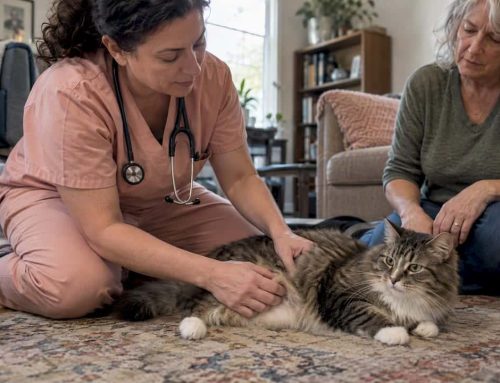
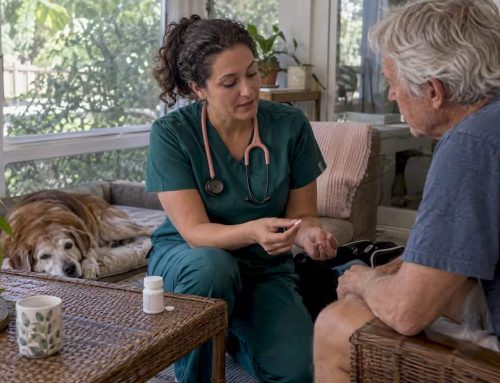
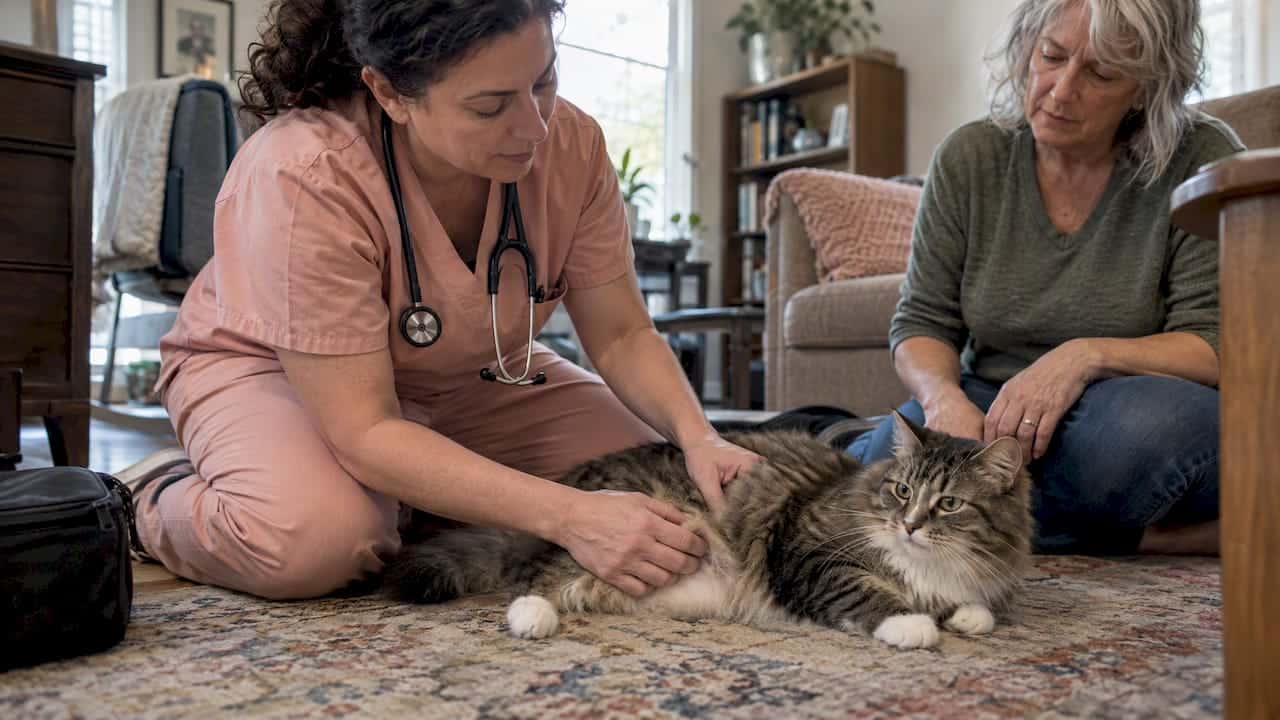
For many senior dogs with knuckling, the most practical path blends a standard veterinary diagnosis with hands-on, in-home supportive therapies. We built our approach around that combination, bringing integrative care directly into a space where anxious or physically limited senior dogs feel more at ease than they typically do in a clinic waiting room.
A typical in-home integrative visit includes:
- A focused assessment of gait, comfort, and current mobility level, reviewed alongside findings from your primary veterinarian.
- Acupuncture or acupressure, used to support comfort and nervous system function as part of a broader plan.
- Laser therapy, applied for pain relief and tissue support where appropriate.
- Home-exercise instruction, tailored to what your dog can safely do between visits.
The reasoning behind combining these therapies is straightforward: a dog recovering from FCE or managing degenerative myelopathy benefits from consistent, low-stress movement work, and multimodal rehabilitation that pairs manual therapy with structured exercise tends to support comfort and function better than any single approach alone.
We coordinate with your dog’s primary veterinarian throughout, so integrative therapies complement the diagnostic and medical plan already in place rather than working around it. For senior or anxious dogs, avoiding the stress of travel and a clinic environment can make the difference between a dog who tolerates treatment and one who actively benefits from it.
At-Home Rehabilitation Exercises for Knuckling Dogs
Between professional sessions, a few simple, low-impact exercises help reinforce what rehabilitation is working toward, as long as they are introduced gradually and under guidance from a rehab professional.
Weight-shifting exercises, gently rocking your dog side to side while standing, encourage the brain to re-engage with limb position. Short sessions of standing in place on a non-slip surface, without walking, help build core stability before adding movement. For dogs cleared for more activity, slow figure-eight walks on leash encourage controlled turning, which challenges coordination more than walking in a straight line.

Assisted standing, using a towel or harness under the belly for light support, lets a weak dog practice bearing weight without the risk of collapsing. Controlled stair stepping, with one or two steps at most and full support, can be introduced later in recovery for dogs who are progressing well.
Consistency matters more than intensity. Five minutes, twice a day, done correctly tends to help more than one long, tiring session that leaves a senior dog sore or reluctant the next day. Any exercise that causes stumbling beyond your dog’s baseline, visible fatigue, or reluctance to continue should be scaled back and discussed with whoever is guiding the rehab plan.
Nutritional Support for Nerve and Joint Health
Food will not reverse spinal cord disease, but it plays a supporting role in how well a senior dog’s body copes with reduced mobility. Maintaining a lean body weight takes pressure off joints and weakened limbs, which matters a great deal for a dog already compensating for an unstable gait.
Diets formulated with omega-3 fatty acids are commonly used to support joint comfort, while adequate protein helps maintain muscle mass in dogs whose activity has dropped due to weakness. Some owners explore food therapy approaches rooted in traditional veterinary medicine, which consider how specific ingredients may support energy and circulation alongside conventional nutrition. For nerve and cognitive support more broadly, senior dog nutrition strategies that address overall brain and body health can be a useful complement to a mobility-focused care plan.
Any significant diet change for a senior dog with a neurologic or metabolic condition should go through your veterinarian first, particularly if bloodwork has flagged issues like kidney function or blood sugar regulation that affect which foods are appropriate.
A Mobile Vet’s View on Realistic Goals for Knuckling
Watching a senior dog start to knuckle is unsettling, and it is normal to want an instant fix. We think the more useful mindset is incremental: safety first, comfort next, then small, measurable mobility wins.
Coordinating closely with your dog’s primary veterinarian and getting a rehab consultation early tends to matter more than which single therapy you choose. Secondary injuries, pressure sores, dragged paw wounds, falls on slick floors, often cause more suffering than the underlying neurologic disease itself, and most of them are preventable with a few home adjustments.
Quality of life is the real measure of success here, not a return to how your dog moved five years ago.
— Pet Acupuncture & Wellness
How We Can Help With Knuckling Care at Home
We bring integrative, mobility-focused care directly to your dog, which matters a great deal for senior dogs who find clinic visits stressful or physically difficult.
A first visit typically includes an initial assessment paired with acupuncture, with findings shared back to your primary veterinarian to help coordinate care. From there, we offer rehabilitation therapy, laser treatments, and telemedicine follow-ups to track progress between in-person visits. If you want to see current service details before booking, our cost of services page lists what each appointment includes. Reach out to schedule a mobile assessment for your dog.
FAQ
What is the prognosis for dogs with knuckling?
Prognosis depends entirely on the cause. Degenerative myelopathy tends to progress steadily, with many dogs reaching non-ambulatory status within about six to eleven months, while causes like FCE often carry a better short-term outlook for regaining function, especially when deep pain sensation is intact.
What are the signs that an elderly dog is nearing the end of their life?
Common signs include a sharp drop in appetite, significant weakness or inability to rise, confusion, labored breathing, and loss of interest in things the dog previously enjoyed. These signs vary widely by underlying condition, so a veterinary evaluation helps clarify what is actually happening rather than assuming the worst from mobility changes alone.
What are the final stages of degenerative myelopathy in dogs?
In the later stages, dogs typically become non-ambulatory in the hind limbs and may eventually lose bladder and bowel control as the disease progresses toward the front limbs. Nursing care, including turning schedules, padded bedding, and bladder management, becomes a central part of daily care at this stage.
How to reverse knuckling in dogs?
Knuckling itself is a symptom, not a disease, so reversing it depends on treating the underlying cause. Compressive conditions like disc disease may improve significantly with surgery, while degenerative conditions are typically managed rather than reversed, with rehabilitation and structured exercise helping to slow decline and maintain function.
Sources
For readers who want to go deeper, our degenerative myelopathy care guide covers specialist roles in ongoing management, and our hind leg weakness guide offers immediate home-safety steps while you arrange veterinary care.
- Overall Evaluation and Postural Exam – All-in-One Ortho-online
- DM-degenerative myelopathy – University of Missouri
- Underwater treadmill aids recovering canine patients — Purdue University
- Physical rehabilitation for dogs — Texas A&M