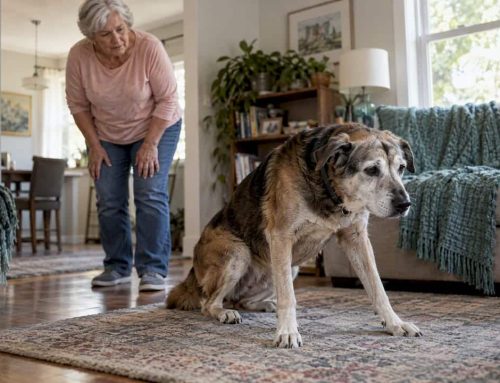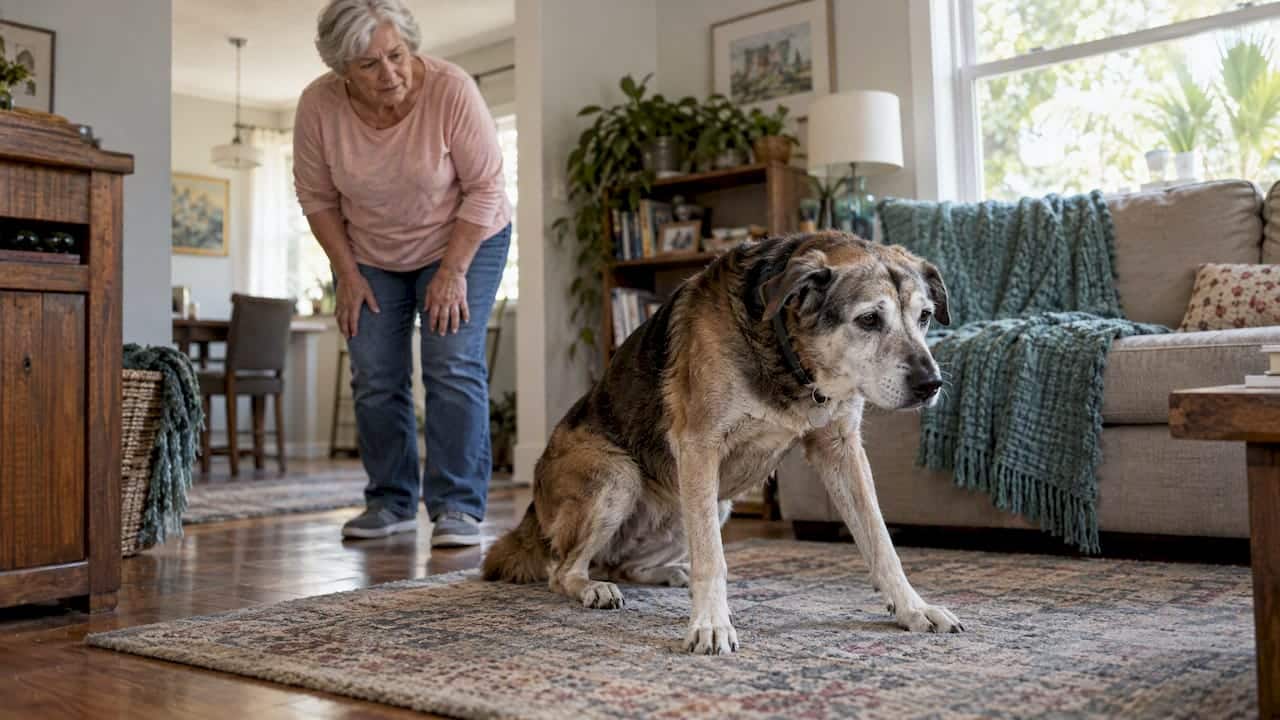
Integrative pain management means combining conventional veterinary medicine with nonpharmacologic therapies, all under a veterinarian’s guidance, to control your dog’s discomfort more completely than any single treatment could alone. The most important step you can take right now is to schedule an assessment with your vet and ask for a multimodal plan, one that pairs medical options with supportive therapies and home care. This approach treats pain from several directions at once, which tends to bring steadier, longer-lasting comfort than relying on one method.
TL;DR:
- Most dogs benefit from a multimodal pain plan that combines NSAIDs, nerve-modulating medications, and nonpharmacologic therapies like rehab, acupuncture, and laser treatment.
- Regular assessment using validated pain scoring tools helps veterinarians tailor treatments and track progress over time.
- Cost varies based on initial consultations, therapy frequency, and ongoing medications, with thorough estimates recommended to avoid surprises.
- Certain therapies, such as acupuncture or laser, should be avoided over active infections, tumors, or unstable joints, especially in dogs with underlying conditions.
- In-home visits from specialists support consistency and reduce stress for senior or anxious dogs, making long-term pain management more feasible.
Table of Contents
- What integrative pain management includes: therapies and their role in a multimodal plan
- What AAHA and WSAVA guidelines recommend for chronic pain
- How veterinarians assess pain and build a treatment plan
- Building a multimodal plan you can review with your vet
- Safety, monitoring, and drug interactions owners must know
- What to expect at an integrative pain-management consultation
- Contraindications and situations where certain integrative therapies should be avoided
- Cost considerations and typical expenses involved in integrative pain management
- Owner education on realistic outcomes and managing expectations
- Recognizing acute, chronic, and neuropathic pain in dogs
- Pet Acupuncture & Wellness: why at-home integrative visits help certain dogs
- How Pet Acupuncture & Wellness supports your dog’s pain plan
- Sources
- FAQ
What integrative pain management includes: therapies and their role in a multimodal plan
Think of your dog’s pain plan as a team, not a single player. Each therapy has a specific job, and most work best together rather than alone.
NSAIDs remain the foundation for many dogs with osteoarthritis or postoperative pain, and your vet will typically start here unless there’s a medical reason not to. Nerve-modulating medications like gabapentin or amantadine are often added when pain has a neuropathic component or when NSAIDs alone aren’t enough. Monoclonal antibody therapies such as Librela (bedinvetmab) have emerged as newer options for osteoarthritis pain, though they come with safety considerations worth discussing directly with your vet, covered in more detail below.
Beyond medication, several therapies support comfort and function:
- Physical rehabilitation builds strength and mobility through guided exercise, usually delivered in structured sessions over weeks.
- Acupuncture and Traditional Chinese Veterinary Medicine work as adjuncts, often given in a series to build cumulative effect.
- Therapeutic laser reduces inflammation in targeted areas and is commonly paired with rehab or acupuncture visits.
- Massage and nutraceuticals (like omega-3 fatty acids or glucosamine) offer gentle, ongoing support alongside the core plan.
- Home modifications, from ramps to orthopedic bedding, round out the plan by reducing daily strain.
What AAHA and WSAVA guidelines recommend for chronic pain
You don’t have to guess at what “best practice” looks like here. The 2022 AAHA pain management guidelines describe a tiered, multimodal approach to chronic pain, with weight optimization and therapeutic exercise recommended as foundational, high-evidence nonpharmacologic supports. AAHA also outlines a three-tier decision tree that prioritizes the most effective therapies first, alongside a treatment cycle called PLATTER (plan, anticipate, treat, evaluate, return), which frames pain management as an ongoing loop rather than a one-time fix, as detailed in AAHA’s 2022 pain management guidelines.

Not every therapy carries the same weight of evidence. NSAIDs, weight control, and structured exercise sit at the top of the evidence hierarchy, while rehabilitation and acupuncture are supported as valuable adjuncts rather than primary treatments. Newer agents like Librela carry their own approval status and safety signals, discussed later, that make a candid conversation with your vet essential before starting them.
How veterinarians assess pain and build a treatment plan
Your vet relies on more than a glance to judge how much pain your dog is in. Subtle signs, slower rising, reluctance to jump, changes in appetite or sleep, often say more than obvious limping does.
Clinicians commonly use validated tools like the Glasgow Composite Measure Pain Scale (CMPS-SF) and the Canine Brief Pain Inventory (CBPI) to turn what you observe at home into a measurable score, a practice supported by WSAVA’s global pain guidelines. A typical visit follows a fairly predictable path:
- A detailed history, including when symptoms started and how they’ve changed.
- A physical exam and gait assessment to localize the source of pain.
- Diagnostics, such as X-rays or bloodwork, when needed to confirm a cause.
- Selection of an initial therapy tier based on severity and your dog’s health.
- A reassessment appointment, usually within a few weeks, to judge response and adjust.
When pain is severe, poorly controlled, or involves a complex condition, your vet may refer you to a pain specialist or a clinician trained in rehabilitation or acupuncture.
Building a multimodal plan you can review with your vet
A good plan has a clear order of operations. Start with the basics, then layer in support as you see how your dog responds.
Immediate steps center on getting an accurate assessment and starting a safe baseline. That usually means confirming whether an NSAID is appropriate, then creating a weight management and low-impact exercise routine, since both carry strong evidence for reducing chronic pain, as AAHA’s guidelines note.
Once that foundation is in place, short-term adjuncts can be added:
- Guided rehabilitation sessions, often weekly or biweekly at first.
- A course of acupuncture or laser therapy, with realistic response windows of several weeks to a few months rather than days.
- Nutraceuticals introduced gradually so you can track any change in comfort.
Ongoing home care matters just as much as clinical visits. Supportive bedding, ramps for the car or stairs, a stable indoor temperature, and gentle daily handling all reduce the physical load on a painful joint or limb. Keeping a simple log of activity, appetite, and mood helps you and your vet judge whether a therapy is working or whether it’s time to adjust.
Pro Tip: Track one or two specific behaviors, like willingness to climb stairs or duration of a morning walk, rather than trying to score everything. Small, consistent measures are easier to compare week to week.
Safety, monitoring, and drug interactions owners must know
Every therapy in an integrative plan carries some risk, and knowing what to watch for keeps your dog safer.
- NSAIDs require periodic bloodwork to monitor kidney and liver function, and should never be combined with other anti-inflammatory drugs without your vet’s direct guidance.
- Librela is approved for osteoarthritis pain in dogs, but the FDA’s Dear Veterinarian letter describes post-approval reports of adverse events and urges vets to monitor treated dogs closely and discuss risks with owners.
- Supplements and herbal products can interact with prescribed medications, so disclose everything you’re giving your dog, even things that seem harmless.
- Seek urgent care for red-flag signs: sudden loss of coordination, seizures, vomiting with lethargy, or a sharp worsening of pain.
What to expect at an integrative pain-management consultation
Walking into a pain-focused visit prepared makes the appointment far more productive.
- The visit typically opens with a history review, a pain-scoring exercise, and a physical exam, followed by any needed diagnostics and a discussion of initial treatment options.
- Bring a current medication and supplement list, a short video of your dog moving at home, and an activity log if you’ve been keeping one.
- Ask directly what success looks like: which specific behaviors or scores your vet will track at the follow-up visit.
Most plans include a recheck within a few weeks so your vet can judge response and adjust the approach based on your dog’s actual progress, not just how the visit went that day.
Contraindications and situations where certain integrative therapies should be avoided
Not every therapy suits every dog, and knowing the exceptions matters as much as knowing the options.
Acupuncture and massage are generally avoided over active infections, open wounds, or suspected fractures, since manipulation near an unstable injury can worsen it. Laser therapy is typically avoided directly over tumors or areas of active cancer, since stimulating blood flow to abnormal tissue carries theoretical risk. Rehabilitation exercises need modification, sometimes significant, for dogs with unstable joints, recent surgery, or severe neurological deficits, since the wrong movement can cause harm rather than help.
NSAIDs carry their own list of exceptions: dogs with kidney disease, liver dysfunction, active gastrointestinal ulcers, or certain bleeding disorders often can’t tolerate them safely. Herbal and nutraceutical products aren’t automatically safe just because they’re natural. Some interact with prescribed medications or affect clotting, kidney function, or blood pressure, which is why every supplement belongs on the list you share with your vet.
Pregnant or nursing dogs, puppies, and dogs with certain chronic conditions may need therapies adjusted or withheld entirely. The safest approach is always the same: describe your dog’s full medical picture to your veterinarian before starting any new therapy, conventional or integrative, and let them flag anything that doesn’t fit your dog’s specific situation.
Cost considerations and typical expenses involved in integrative pain management
Budgeting for integrative care is easier once you understand how the pieces are typically priced. Costs vary by therapy, region, and how often your dog needs a given service, but a few patterns hold generally true.
Initial consultations that combine assessment with a therapy like acupuncture tend to represent the largest single cost, since they involve a full workup. Ongoing therapies like laser treatment or rehabilitation sessions are usually billed per visit or as part of a package, and the total cost depends heavily on how many sessions your dog’s condition requires. Medications, from NSAIDs to newer injectable options, add a recurring cost that your vet can estimate based on your dog’s weight and dosing schedule.
Many owners find it helpful to ask for a written estimate that separates the diagnostic visit, any recommended therapy series, and ongoing medication or supplement costs, so there are no surprises partway through the plan. Mobile or house-call practices sometimes add a separate travel or technician fee on top of the treatment itself, which is worth confirming before booking. Because chronic pain management is rarely a one-time expense, it’s reasonable to ask your vet how the plan might evolve, and cost, over the coming months as your dog’s needs change.

Owner education on realistic outcomes and managing expectations
Integrative pain management rarely produces an overnight transformation, and setting that expectation early saves a lot of frustration. Clinical resources describe chronic pain as a dynamic, ongoing condition rather than something to be solved once and forgotten, with plans adjusted in small steps rather than large overhauls, as the Merck Veterinary Manual notes.
Some therapies, particularly acupuncture and laser, show promising results in smaller studies, but their effect size varies from dog to dog, and response tends to build gradually rather than arrive all at once. A dog on a new multimodal plan might show subtle improvement in the first few weeks, more noticeable change by two or three months, and a plateau after that where the goal shifts to maintaining gained function rather than chasing further gains.
It also helps to redefine what “working” looks like. Instead of expecting your dog to move like a puppy again, look for realistic markers: easier mornings, more willingness to go on a short walk, less obvious stiffness after rest. These smaller wins, tracked consistently, are what your vet uses to judge whether the plan is on the right track or needs adjusting.
Recognizing acute, chronic, and neuropathic pain in dogs
Matching the right therapy to the right kind of pain starts with recognizing which type your dog is dealing with.
Acute pain shows up suddenly, often after an injury or surgery, and tends to resolve as the underlying tissue heals. It usually responds well to short-term medication and rest, with integrative therapies added mainly to speed recovery. Chronic pain, most often from osteoarthritis, develops gradually and persists for months or years, which is why it calls for the tiered, ongoing multimodal approach described throughout this guide.
Neuropathic pain, arising from nerve damage or dysfunction, behaves differently from both. It can cause unusual sensitivity, sudden yelping at a light touch, or discomfort that doesn’t match any visible injury, and it often responds better to nerve-modulating medications like gabapentin than to NSAIDs alone. Recognizing which category your dog falls into, or whether more than one overlaps, helps your vet choose therapies that actually target the mechanism at play rather than treating every kind of pain the same way.
Pet Acupuncture & Wellness: why at-home integrative visits help certain dogs
For senior, disabled, or anxious dogs, a car ride and waiting room can undo the calm a therapy session is meant to build. In-home visits let treatment happen in a familiar space, which supports consistency and makes it easier to coordinate with your primary vet’s plan.
— Pet Acupuncture & Wellness
How Pet Acupuncture & Wellness supports your dog’s pain plan
If getting your dog to a clinic feels harder than the visit itself, an in-home integrative approach solves the part of the plan that usually falls apart: consistency. An in-home integrative approach can solve the part of the plan that usually falls apart: consistency. It brings assessment and treatment directly to the pet’s home, allowing senior dogs with arthritis or anxious dogs who dread car rides to receive regular, guideline-informed care without the stress of travel.
Services are built to complement, not replace, your primary vet’s plan. That includes:
- Initial assessment and acupuncture with a technician to establish a baseline and treatment series.
- Laser treatments for targeted inflammation relief.
- At-home rehabilitation packages for guided strengthening and mobility work.
- Herbal therapy and food therapy as supportive, TCVM-informed options.
- Telemedicine for follow-up questions between in-person visits.
To get started, book an initial assessment, bring your dog’s current medication list, and ask how the plan will coordinate with your regular vet. Full pricing details are listed on the cost of services page, where you can see what an initial visit involves before you book.
This article is general information, not a substitute for advice from a qualified doctor. Consult a qualified healthcare professional about your own circumstances before acting on anything here.
Sources
- 2022 AAHA pain management guidelines (summary on PubMed)
- FDA Dear Veterinarian letter about adverse events reported in dogs treated with LIBRELA
- Chronic pain in animals – Merck Veterinary Manual
- 2022 AAHA Pain Management Guidelines for Dogs and Cats (AAHA)
FAQ
What is the best natural pain relief for dogs?
There’s no single best option since it depends on your dog’s diagnosis, but weight management, structured exercise, and omega-3 supplementation have some of the strongest support among nonpharmacologic approaches, according to AAHA’s guidelines. Acupuncture and therapeutic laser are commonly used adjuncts, though they work best paired with your vet’s core treatment plan rather than used alone.
How do you block pain receptors naturally?
No natural remedy blocks pain receptors the way a prescription medication does. Certain nonpharmacologic therapies, like acupuncture, are thought to influence how the body processes pain signals, and nerve-modulating medications such as gabapentin are used clinically when nerve-related pain needs more targeted control.
What is the newer arthritis drug for dogs?
Librela (bedinvetmab) is a monoclonal antibody approved for controlling osteoarthritis pain in dogs. The FDA has issued a safety communication about post-approval adverse event reports, so it’s worth discussing the risks and monitoring needs directly with your vet before starting it.
What are some integrative approaches to pain management?
Integrative pain management typically combines medications like NSAIDs with nonpharmacologic therapies such as acupuncture, rehabilitation, therapeutic laser, and nutraceuticals, all guided by a tiered plan like the one described in AAHA’s guidelines. Home care measures, including weight management and environmental modifications, round out the plan and support the medical and adjunctive therapies.