Acupuncture can ease pain for many cats, especially those with osteoarthritis, postoperative discomfort, or certain neurologic conditions, but it works best as one part of a multimodal plan rather than a stand-alone fix. If your cat has been slowing down, hiding more, or skipping jumps she used to make without effort, the right first step is a conversation with your primary veterinarian and, ideally, a certified veterinary acupuncturist who can confirm whether she’s a good candidate.
TL;DR:
- Acupuncture is most effective as part of a multimodal pain management plan tailored to your cat’s specific diagnosis and temperament.
- Treatment sessions typically last 45 to 60 minutes, with weekly or biweekly follow-ups, then progressing to maintenance as symptoms improve.
- Commonly treated conditions include osteoarthritis, post-surgical discomfort, neurologic injuries, and pain from cancer, with results often showing gradual improvement.
- In-home treatments can reduce stress for anxious or senior cats, involving options like laser, electroacupuncture, or a combination tailored to tolerance.
- Owners should expect mild side effects such as soreness or relaxation, and prioritize coordination between their primary vet and the acupuncturist for safety and progress tracking.
Table of Contents
- What veterinary acupuncture is and how it’s done for cats
- Conditions acupuncture commonly treats in cats
- How acupuncture works and what the research says
- Types of acupuncture and related techniques used on cats
- Safety, contraindications, and temperament considerations
- What to expect: sessions, timelines, and tracking progress
- How to decide if acupuncture is right and how to choose a practitioner
- How acupuncture fits into a broader pain management plan
- What the research says about acupuncture’s effect on cat pain
- Alternatives to acupuncture for managing cat pain
- Potential side effects and how to manage them
- Our perspective on in-home acupuncture for cats
- Booking in-home acupuncture and choosing a package
- Sources
- FAQ
What veterinary acupuncture is and how it’s done for cats
Veterinary acupuncture applies the principles of Traditional Chinese Veterinary Medicine, using fine needles at specific points to influence circulation and the nervous system, but the technique is adapted for a much smaller, often more anxious patient than a human on a treatment table. Needles used on cats are thinner and shorter, sessions move at the cat’s pace, and gentle handling replaces any expectation that she’ll simply lie still. A licensed veterinarian either performs the treatment directly or closely supervises a trained technician, and the plan is built around your cat’s specific diagnosis rather than a generic protocol.
A typical session includes:
- A brief check-in on how your cat has responded since the last visit.
- Gentle restraint or a comfortable position, often on a favorite blanket at home.
- Needle placement at points chosen for the specific condition being treated.
- A quiet rest period, usually with the owner nearby, while the needles remain in place.
Before booking with anyone, it helps to understand what credentials a qualified practitioner should hold.
Conditions acupuncture commonly treats in cats
The clearest use case is degenerative joint disease, better known as osteoarthritis. Feline osteoarthritis affects well over 25% of the cat population and is chronically under-recognized because cats hide pain well and owners often mistake reduced mobility or a quieter temperament for simple aging.
More than a quarter of cats live with osteoarthritis, according to a team-based feline pain management review, which also notes that owners frequently miss the subtle signs until the disease has progressed.
Beyond arthritis, acupuncture is also used to support:
- Postoperative recovery, where it may ease discomfort alongside standard pain medication.
- Certain neurologic injuries, as part of a broader rehabilitation plan.
- Palliative comfort care for cats with cancer.
- Chronic soft-tissue pain that hasn’t fully responded to other treatment.
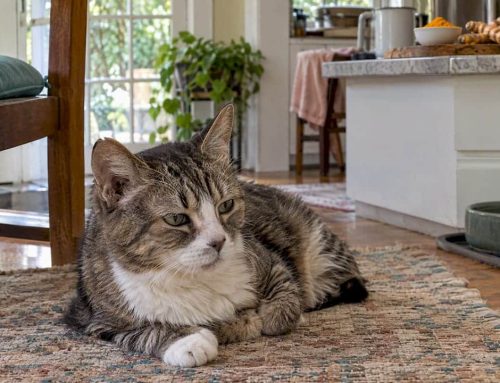
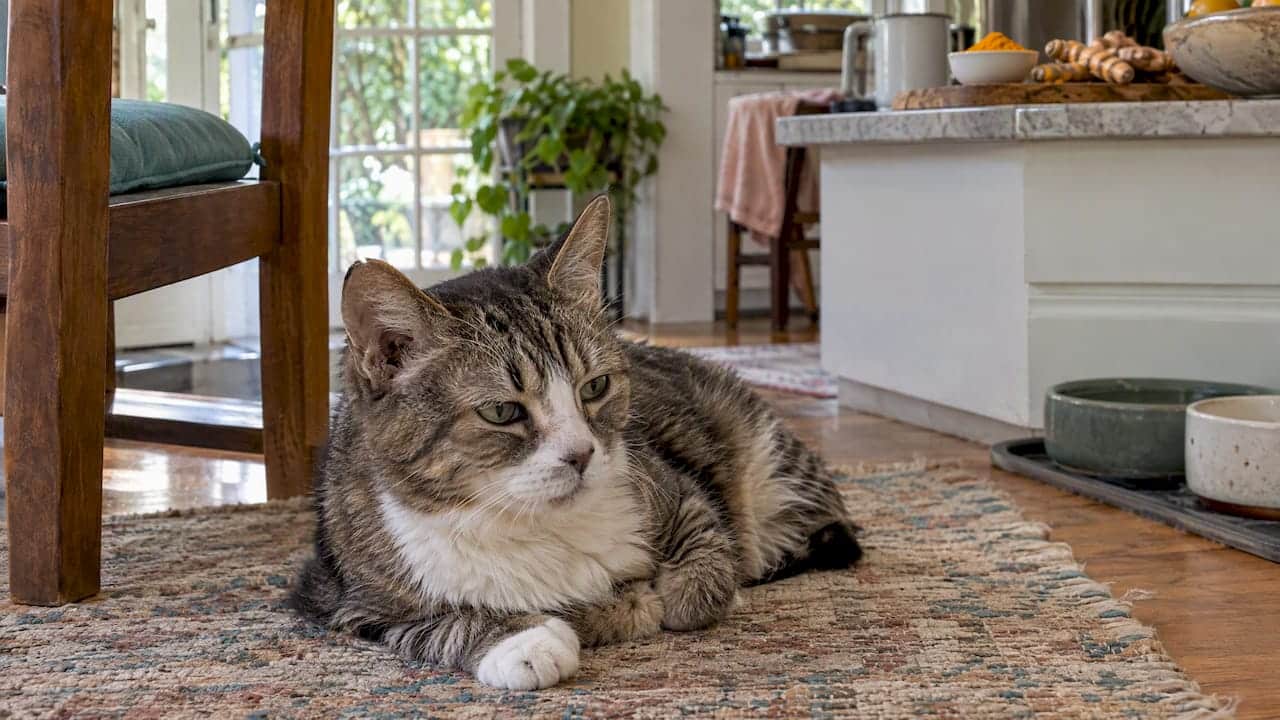
Watch for the quiet signals: less jumping, reluctance to use stairs, changes in litter box habits, a duller coat from reduced grooming, or simply a cat who seems less interested in the window perch she used to love. These are often the first clues that pain has crept in.
How acupuncture works and what the research says
The working theory behind acupuncture’s effect on pain involves several overlapping mechanisms: increased local circulation, the release of natural pain-relieving compounds, and neuromodulation that dampens pain signals at the spinal cord and brain level, sometimes called segmental analgesia. None of this requires believing in anything mystical. It’s a physiologic response to a physical stimulus.
The evidence base has grown enough that major veterinary bodies now include acupuncture in their recommendations. Guidance associated with AAHA and WSAVA pain management standards lists acupuncture among the non-pharmacologic options for chronic pain in cats. That said, feline-specific clinical trials remain fewer than those in dogs, so many recommendations for cats are extrapolated from broader animal research. The honest takeaway: acupuncture is a reasonable adjunct with real physiologic plausibility, not a guaranteed cure, and most cats see incremental improvement rather than dramatic overnight change.
Types of acupuncture and related techniques used on cats
Not every cat gets the same approach, and the technique often depends on the condition being treated and how she tolerates handling.
- Dry-needle acupuncture is the traditional method, using thin needles at specific points, and remains the most common starting point for chronic pain and general wellness support.
- Electro-acupuncture adds a mild electrical current to the needles for stronger neuromodulation, and is often chosen for more stubborn neurologic or refractory pain cases.
- Laser acupuncture stimulates the same points with light instead of needles, useful for cats who won’t tolerate needling at all.
- Aquapuncture injects a small amount of liquid, often vitamin B12, into acupuncture points for a longer-lasting stimulus in a single visit.
Safety, contraindications, and temperament considerations
Acupuncture is generally safe when performed by a trained veterinarian, and serious complications are uncommon. Still, it isn’t right for every cat at every moment. Cats with uncontrolled systemic illness, severe clotting disorders, or active infection at a needle site typically need that issue addressed first. Guidance from veterinary organizations notes that safety and appropriateness depend heavily on the individual patient’s health status and temperament.
Temperament matters as much as diagnosis. A cat who becomes highly fearful or aggressive during handling may need behavior support, a different technique such as laser acupuncture, or a postponed session altogether, since forcing treatment on a stressed cat can undercut any calming benefit it might offer. This is one reason in-home visits work well for many cats: a familiar room, a favorite blanket, and no car ride or waiting room tend to lower the baseline stress that makes needling harder to tolerate.
What to expect: sessions, timelines, and tracking progress
A typical acupuncture appointment runs 45 to 60 minutes for a first visit, including time to settle your cat before any needles go in. Most conditions start with a short series of weekly or biweekly sessions, then taper to a maintenance schedule once your cat responds, a pattern explained in more detail when owners ask how many sessions their pet actually needs.
To get a sense of what a full course might look like:
- Initial assessment and first treatment, where the practitioner confirms the diagnosis and starts the acupuncture plan.
- A short series of follow-up sessions, typically weekly, to build on the initial response.
- A maintenance phase, spacing sessions out as symptoms stabilize.
- Periodic reassessment, adjusting frequency based on how your cat is doing.
Costs vary by clinic and region, so ask for a written estimate before starting. Track progress with simple, concrete observations: is she jumping onto the couch again, using the litter box without hesitation, grooming normally, or playing more than she did a month ago? Those small behavioral shifts are often more telling than anything else.
How to decide if acupuncture is right and how to choose a practitioner
Start with the basics: what’s the diagnosis, does your cat have other health conditions that need factoring in, how does she handle being touched or restrained, and has she responded well or poorly to medications tried so far? Those answers shape whether acupuncture makes sense now or later.
When evaluating a provider, look for:
- A licensed DVM performing or directly supervising treatment.
- Certification such as CVA through a recognized program like Chi University or the UC Davis continuing education track.
- Ongoing continuing education in veterinary acupuncture specifically, not just human acupuncture experience.
- A clear policy on sedation and how they coordinate with your regular veterinarian.
Pro Tip: Ask any prospective practitioner how they’ll communicate findings back to your primary vet, since coordinated care tends to produce better outcomes than treatment happening in isolation.
How acupuncture fits into a broader pain management plan
Acupuncture rarely works alone, and it isn’t meant to. A well-built plan for a cat with chronic pain usually combines several pieces: pain medication where appropriate, physical rehabilitation to rebuild strength and mobility, environmental adjustments like ramps or low-sided litter boxes, nutrition support, and acupuncture layered on top to help with comfort and function.

This is where a team-based approach earns its reputation. A consensus review on feline chronic pain points to owner observation combined with coordinated veterinary management as the combination that produces the best outcomes, not any single intervention working in isolation. Your daily notes on appetite, mobility, and mood are as much a part of the plan as the treatment itself. A cat recovering from joint surgery, for example, might see a rehabilitation specialist for range-of-motion exercises, take a joint supplement, and receive acupuncture every few weeks, each piece reinforcing the others rather than replacing them.
What the research says about acupuncture’s effect on cat pain
Feline-specific acupuncture research is smaller in volume than the canine literature, which makes it easy to either oversell or dismiss the evidence. Neither extreme fits what’s actually known. Reviews summarizing feline chronic pain management describe acupuncture as one of several non-pharmacologic tools with a plausible mechanism and growing clinical use, while also acknowledging that fewer high-powered feline trials exist compared to dogs, meaning many recommendations are extrapolated from broader research rather than drawn from large cat-specific studies.
Because of that gap, researchers and clinicians increasingly lean on objective monitoring tools to judge whether a given cat is actually improving. Projects studying interventions for feline degenerative joint disease have used activity trackers and validated owner questionnaires such as the FMPI and CSOM to measure real-world changes in mobility and comfort, rather than relying on a clinician’s single-visit impression. That kind of measurement matters more for cats than for many other patients, since cats are notoriously good at masking pain during a short exam room visit.
The practical implication for owners is straightforward: don’t expect a landmark clinical trial proving acupuncture works for every feline pain condition, because that evidence doesn’t yet exist at scale. Do expect a reasonable, physiologically grounded adjunct that shows up in professional guidelines and continuing education programs, best judged case by case using the same kind of tracking researchers use, your own notes on activity, appetite, and mood over weeks, not a single visit.
Alternatives to acupuncture for managing cat pain
Acupuncture isn’t the only tool available, and for some cats it won’t be the first one reached for. Understanding the alternatives helps put acupuncture’s role in context rather than treating it as competition.
Pain medications prescribed by a veterinarian remain the backbone of treatment for many painful conditions, particularly in acute situations or flare-ups where a fast, reliable effect matters. Rehabilitation therapy, including targeted exercises and manual techniques, builds strength and range of motion in ways acupuncture alone doesn’t address, and the two are often used together rather than as competitors. Laser therapy offers another non-needle option, using light to reduce inflammation and support tissue healing, and it’s frequently chosen for cats who won’t tolerate needles at all. Environmental modifications, ramps, orthopedic bedding, easy-access litter boxes, cost nothing in terms of risk and can meaningfully reduce daily strain on painful joints. Weight management and nutrition support also play an outsized role in osteoarthritis specifically, since excess weight compounds joint stress regardless of what other treatment is layered on top.
None of these alternatives is strictly better than acupuncture across the board. Medication acts faster but carries its own side-effect profile; rehabilitation builds function but takes longer to show results; acupuncture tends to work best as a complement to these approaches rather than a replacement for any of them. The right combination depends on your cat’s diagnosis, temperament, and how she’s already responded to whatever’s been tried.

Potential side effects and how to manage them
Acupuncture in cats carries a low complication rate when performed by a trained professional, but it isn’t entirely without risk, and owners deserve a clear picture of what to watch for. The most common side effect is mild, temporary soreness at needle sites, usually resolving within a day. Some cats seem unusually sleepy or relaxed after a session, which is typically a sign the treatment triggered a calming response rather than a cause for concern.
Less common but worth knowing about: minor bruising or bleeding at a needle site, particularly in cats with clotting issues, and rare instances of increased anxiety if a cat associates handling with stress rather than relief. This is exactly why temperament screening matters before starting, and why a practitioner should always be watching for signs of distress rather than pushing through a session that isn’t going well.
If your cat seems unusually lethargic beyond the expected post-treatment calm, develops swelling or discharge at a needle site, or seems more anxious after several sessions rather than less, contact the treating veterinarian promptly. Most issues are minor and self-resolving, but they should still be reported so the plan can be adjusted. A practitioner who coordinates closely with your primary veterinarian is best positioned to catch and manage anything unexpected quickly.
Our perspective on in-home acupuncture for cats
Acupuncture in the cat’s own home can lower stress in ways a clinic visit rarely can, especially for senior or anxious cats. Treatment plans ideally stay individualized and coordinate with the primary veterinarian throughout.
— Pet Acupuncture & Wellness
Booking in-home acupuncture and choosing a package
Home visits remove the carrier fight and the waiting room entirely, which matters most for cats who already associate vet trips with stress. A range of services can be offered, generally including:
- Initial assessment and acupuncture with a technician.
- Laser treatments for cats who don’t tolerate needles well.
- Electroacupuncture for more stubborn or neurologic pain.
- At-home rehabilitation packages tailored to a cat’s condition.
Every plan is built around your cat’s diagnosis and coordinated with her regular veterinarian. You can review current service descriptions and fees or explore our full pet acupuncture and acupressure options in Tampa to see what fits.

This article is general information, not a substitute for advice from a qualified doctor. Consult a qualified healthcare professional about your own circumstances before acting on anything here.
Sources
- Feline chronic pain management: the importance of a team approach for optimal outcomes
- Small animal certified veterinary acupuncturist (CVA) course overview — UC Davis CE
FAQ
How much does acupuncture for cats cost?
Costs vary by clinic, condition, and location, so it’s best to request a written estimate before starting treatment. As one reference point, an initial assessment and acupuncture session with a technician starts from $430, with additional treatments like electroacupuncture priced separately.
What is a silent killer for cats?
Cats are skilled at hiding pain and illness, which is why conditions like osteoarthritis go under-recognized in more than a quarter of the feline population. Subtle signs like reduced jumping, less grooming, or quieter behavior are often the only early clues something is wrong.
How can I relieve my cat’s pain naturally?
Non-drug approaches include acupuncture, laser therapy, rehabilitation exercises, weight management, and environmental changes like ramps or low-sided litter boxes. These work best combined into a plan guided by your veterinarian rather than attempted alone.
Does acupuncture actually work on cats?
Acupuncture shows a plausible physiologic effect on pain through increased circulation and neuromodulation, and it’s included in AAHA/WSAVA-aligned pain management guidance as a non-pharmacologic option. Feline-specific trials are fewer than in dogs, so it’s best viewed as a helpful adjunct rather than a stand-alone cure.
How do I know if acupuncture is right for my cat?
The best candidates have a confirmed diagnosis, such as osteoarthritis, and a temperament that tolerates gentle handling without excessive stress. A licensed veterinarian or certified veterinary acupuncturist can assess your cat’s specific case and coordinate the plan with her regular vet.