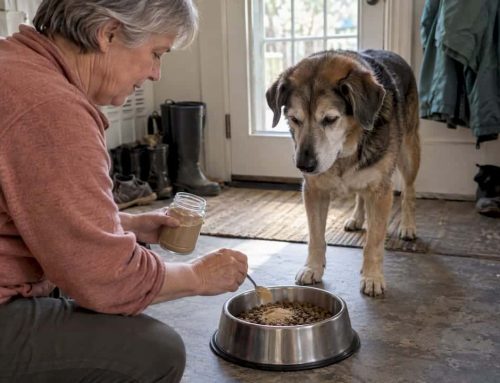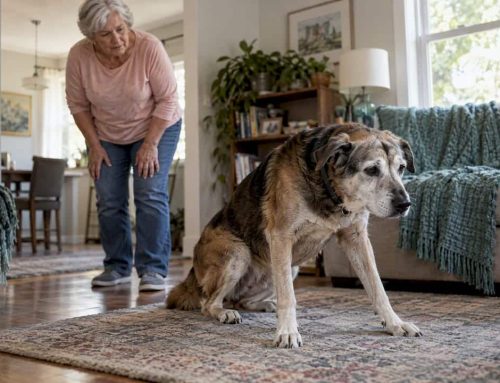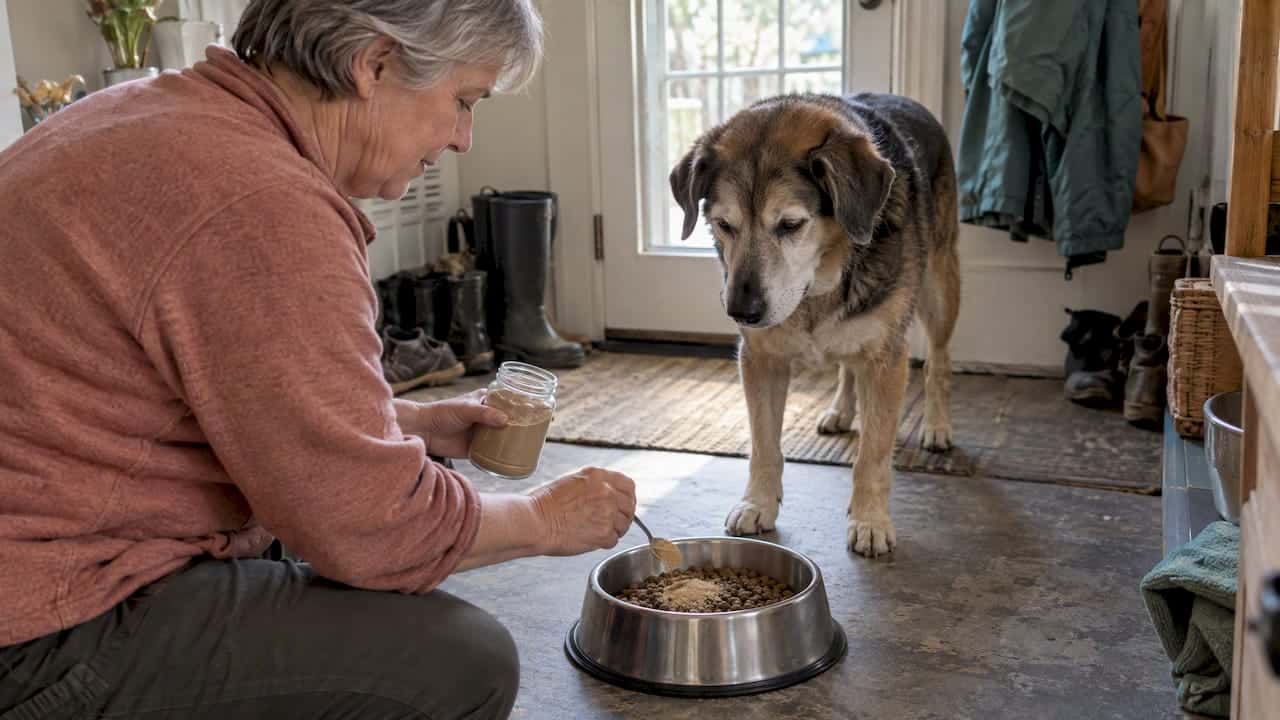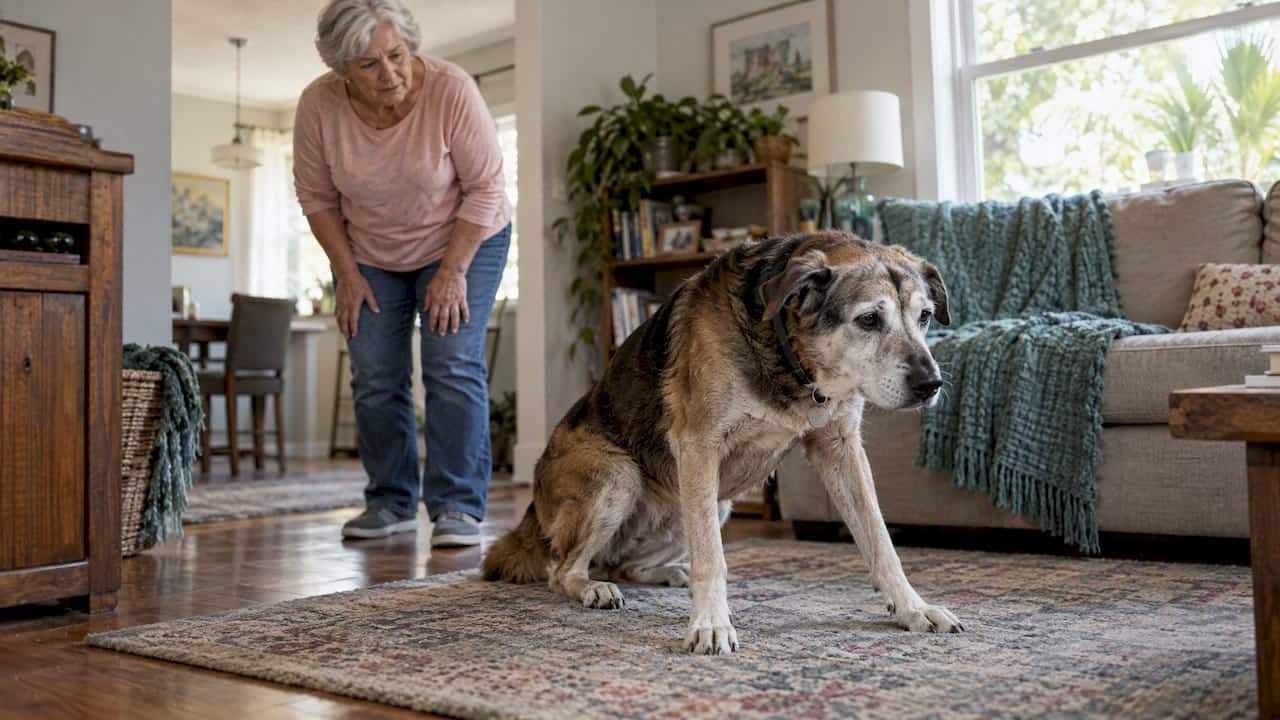
Acupuncture can be a gentle, useful part of your dog’s recovery after surgery, mainly for comfort, movement and rehabilitation. The research does not show that it makes the incision itself heal faster. It works best as a team effort with your surgeon, and you should always get your surgeon’s go-ahead before the first session.
If your dog is coming home from a cruciate repair, a spinal surgery or another big procedure, you are probably juggling crate rest, medications and a lot of worry. This guide explains where acupuncture fits, when to start, what the evidence says, and what an at-home program looks like in South Tampa.
TL;DR
- Acupuncture after surgery is best viewed as a supportive tool for comfort and mobility, not a guaranteed stand-alone pain fix.
- A randomized pilot study found no wound-healing benefit from a single post-surgery treatment, so keep following your surgeon’s incision-care instructions.
- The strongest signals so far come from spinal surgery recovery in dogs, where acupuncture was paired with rehabilitation.
- Ask your surgeon first. Needle sites and movement need to respect the incision and any bone stabilization.
- We bring acupuncture, laser and rehabilitation to your living room in South Tampa, so your dog skips the car ride.
Table of Contents
- What acupuncture is meant to do after surgery
- What the research actually shows
- How soon after surgery can acupuncture start?
- Which surgeries commonly pair with acupuncture
- What a post-surgery session looks like at home
- Is rehab painful for a healing dog?
- Supporting recovery between visits
- How long will your dog need treatment?
- Our perspective
- What post-surgery care costs in South Tampa
- Book an at-home visit in South Tampa
- FAQ
- Sources
What acupuncture is meant to do after surgery
Surgery fixes a structural problem, but it leaves behind pain, muscle guarding, stiffness and a dog who is nervous about moving. Acupuncture targets that second layer. Fine needles (or sometimes gentle pressure, laser or a mild electrical current) are placed at specific points to ease pain, relax tight muscle and encourage normal movement.
In Traditional Chinese Veterinary Medicine (TCVM), the body’s Qi travels along pathways called meridians, a bit like a highway system. After surgery, traffic can back up around the injured area. Acupuncture aims to clear the road so energy and blood can move again. Whether you think of it in TCVM terms or in terms of nerves and muscle, the practical goals are the same: a more comfortable dog who is willing to move a little more each week.
What it is not: a replacement for your surgeon’s pain medication, antibiotics, activity restriction or recheck exams. It is used alongside conventional care, not instead of it.
What the research actually shows
Owners deserve an honest picture, because the evidence is mixed and it differs by surgery.
Wound healing: no clear benefit
In a 2010 randomized pilot study, a single acupuncture treatment right after soft tissue or orthopedic surgery did not change wound healing measures such as exudate, hematoma or dehiscence at three and seven days. So if a provider promises that acupuncture will close an incision faster, be cautious. Its role is comfort and function, not tissue repair.
Pain after knee surgery: mixed results
For cruciate surgery, the picture is split. A 2024 double-blind pilot study in dogs undergoing tibial tuberosity advancement (TTA) looked at how much opioid and non-opioid pain medication dogs needed during surgery. A 2026 clinical study of perioperative electroacupuncture in TTA patients found no significant difference in pain scores between treated and control dogs. Researchers also noted that owners and experts can score the same dog’s pain differently, which is one reason a trained eye matters.
The fair takeaway: acupuncture may reduce how much medication a dog needs, but it should not be your only plan for pain.

Spinal surgery recovery: the most encouraging evidence
This is where acupuncture looks strongest. In a 2025 pilot study of dogs recovering from cervical disc herniation surgery, dogs given acupuncture-moxibustion plus locomotor training stood sooner than dogs who did training alone: a mean of 8.90 days versus 11.10 days in one group comparison. It was a small pilot, so it points a direction rather than settling the question.

A veterinary evidence review of dogs with thoracolumbar disc extrusion rated the strength of evidence as moderate. If your dog has a back problem, our guides to acupuncture for dogs with IVDD and shortening back pain recovery at home go deeper.
How soon after surgery can acupuncture start?
There is no single date that fits every dog. It depends on the procedure, the incision, any hardware or bone stabilization and what your surgeon wants to protect. Some needle sites or movements can interfere with the incision or bone stabilization, which is why timing is decided with the surgical team.
What we can say in general:
- Rehabilitation itself can begin early. UC Davis notes that rehab can start immediately after surgery with techniques such as icing, passive range of motion and massage.
- Early physical rehabilitation is considered part of postoperative management after TPLO, a common cruciate surgery.
- Acupuncture is often introduced once your surgeon confirms the incision and the repair are safe to work around. Points away from the surgical site are usually where we begin.
Call your surgeon’s office, tell them you are considering acupuncture, and ask two questions: “Are there areas we should avoid?” and “Is there any movement restriction we need to honor?” We are happy to speak with them directly.
Which surgeries commonly pair with acupuncture
Owners most often come to us after:
- Cruciate repairs (TPLO, TTA, lateral suture): to ease compensating muscles in the opposite leg, back and hips, and to support rehab.
- Spinal surgery for disc disease: to support nerve function and walking, alongside rehabilitation.
- Fracture repairs and amputations: to relieve muscle strain from changing how your dog carries weight.
- Spay or neuter and soft tissue surgery: for comfort. Our guide to natural pain relief after spaying covers what is reasonable here.
For dogs who already struggle with stairs, slick floors or car rides, the surgery is often the easy part. Getting to follow-up care is the hard part, which is where house calls make a real difference.
What a post-surgery session looks like at home
A home visit is quiet. Your dog stays on their own bed or favorite rug, and you stay beside them.
- History and exam. We review the surgery, medications and your surgeon’s restrictions, and check comfort, gait, muscle tension and the incision area from a safe distance.
- Treatment. Depending on your dog, that can include dry-needle acupuncture, electroacupuncture, acupressure, aquapuncture or laser therapy. Many dogs relax and doze.
- Home plan. You leave with simple, specific guidance: gentle range-of-motion work, traction on floors, icing or warmth if appropriate, and when to call us.
- Communication. We work alongside your regular veterinarian and surgeon so everyone follows the same plan.
Expect some variation afterward. Some dogs seem a bit sore for up to 48 hours or sleepy for a day, and we cover that in our guide to the first 48 hours of acupuncture aftercare. Call us or your surgeon if you notice vomiting, swelling, discharge at the incision or a sudden change in how your dog uses a limb.
Is rehab painful for a healing dog?
Most owners worry about this one. Rehabilitation services are designed to be calm and controlled, to build comfort and to prevent problems from enforced inactivity such as muscle loss and joint stiffness. Done well, it should never feel like punishment. If your dog flinches or pulls away, the plan needs adjusting, and we will do exactly that.
Our at-home dog physical therapy guide and rehabilitation equipment guide show what we use and what you can safely do between visits.
Supporting recovery between visits
Acupuncture is one hour in a week. The other 167 hours matter more.
- Follow the restrictions. Crate rest and leash-only walks protect the repair. Acupuncture does not give you permission to relax them.
- Make the floors safe. Rugs and yoga mats give traction. A sling helps with stairs and the yard.
- Watch the weight. Extra pounds load a healing joint. Ask your surgeon how much to feed during reduced activity.
- Think about joints. Nutrition can support joint comfort over the long run. Here is a look at omega-3 benefits for dogs with arthritis, which matters for dogs whose surgery was for a worn or unstable joint. Check any supplement with your vet first.
- Keep notes. A short daily log of appetite, limping, sleep and mood helps us adjust the plan.
We also offer herbal therapy and food therapy in the TCVM tradition, always cleared with your surgeon and current medications so nothing conflicts.
How long will your dog need treatment?
It varies. Many dogs recovering from orthopedic surgery benefit from a short, front-loaded course, then spacing visits out as they move comfortably. Dogs with a long-term condition such as arthritis or disc disease may continue maintenance sessions. We explain how to set a schedule in how often your dog should get acupuncture.
Our perspective
We see the same moment again and again. A dog comes home after a successful surgery, and the family is exhausted. The dog is stiff, anxious and dreads the car. Missed rechecks and skipped rehab are common, and not because anyone stopped caring.
We built our practice around that moment. We bring care to the dog, in the room where they feel safest, and we treat acupuncture as one tool among several: laser, rehabilitation, herbs, food therapy and telemedicine check-ins, tailored to each pet and home. We do not promise that needles will heal an incision, because the evidence does not say so. We promise attention to comfort, movement and your peace of mind, delivered in step with your surgeon and regular veterinarian.
If your dog is nervous, older or has a disability, home care is not a luxury. For many families it is what makes follow-up possible.
— Pet Acupuncture & Wellness
What post-surgery care costs in South Tampa
Here are our published prices, which are listed on our cost of services page:
| Service | Price |
|---|---|
| Initial assessment and acupuncture with a technician | from $430 |
| Technician mobile fee | $60 |
| Electroacupuncture | $30 |
| Laser treatment | $45 to $120 per treatment |
| At-home rehabilitation packages | $85 to $918 |
| Vitamin B12 injection | $31.50 |
The range in rehabilitation packages reflects how different recoveries are, from a light program to an intensive one. We will walk you through what fits your dog before you commit. For a quick conversation with no travel, ask about our telemedicine consultations.
Book an at-home visit in South Tampa
If your dog is recovering, or about to have surgery, we can set up a plan before or after the procedure and coordinate with your surgeon. Learn about our at-home rehabilitation therapy or reach us through Pet Acupuncture & Wellness to schedule.
FAQ
How soon after surgery can you do acupuncture on a dog?
There is no universal day. It depends on the surgery, the incision and any hardware, so your surgeon should approve the timing and any areas to avoid. Gentle rehab such as icing and passive range of motion can often begin much sooner.
How effective is acupuncture for dogs after surgery?
It depends on the goal. Evidence for faster wound healing is lacking, and results for pain after knee surgery are mixed. Some of the more promising results come from spinal surgery recovery when acupuncture is added to rehabilitation.
How can I help my dog heal after surgery?
Follow your surgeon’s activity limits, give medications as prescribed, keep the incision clean and dry, and make floors non-slip. Ask about rehabilitation early, since it can start soon after surgery. Call your vet right away for swelling, discharge, vomiting or loss of appetite.
How much does acupuncture for a dog cost?
For our at-home care in South Tampa, the first assessment and acupuncture visit with a technician starts at $430, plus a $60 technician mobile fee. Electroacupuncture is $30, and laser treatments run $45 to $120 each. Prices are on our cost of services page.
Sources
- Effect of a single acupuncture treatment on surgical wound healing in dogs (PMC)
- Evaluation of postoperative analgesia with perioperative electroacupuncture in TTA (2026)
- Analgesic effect of acupuncture in dogs undergoing TTA surgery (2024)
- Acupuncture-moxibustion with locomotor training in canine cervical disc herniation (2025)
- Acupuncture and clinical recovery in thoracolumbar disc extrusion, Veterinary Evidence
- Sports Medicine and Rehabilitation Service, UC Davis
- Physical Rehabilitation of Dogs Following TPLO, Veterinary Partner
- Dog Post-Surgery Recovery and Muscle Strain: Acupuncture, PetAcu