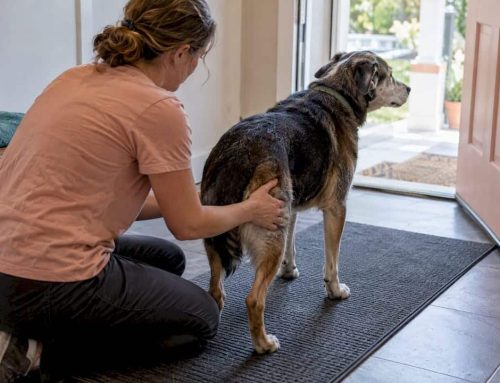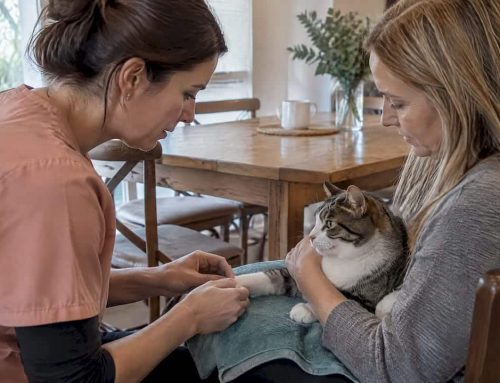
Acupuncture can genuinely help many dogs with GI symptoms when it’s used as a complementary therapy alongside veterinary care, not as a replacement for it. In one randomized study, dogs with acute diarrhea who received GV-1 aqua-acupuncture returned to normal stools in a mean of 22.6 hours, compared to 68 hours with conventional therapy alone. We always recommend starting with your regular veterinarian and treating acupuncture as one piece of a broader digestive health plan.
TL;DR:
- Dogs with acute diarrhea treated with GV-1 aqua-acupuncture recover in approximately 22.6 hours, significantly faster than those receiving conventional therapy alone.
- Acupuncture stimulates the vagus nerve, which can regulate gut motility, reduce nausea, and lower inflammation, especially in dogs with digestive disturbances.
- The most effective acupoints for GI issues include ST-36 for motility, PC-6 for nausea, and GV-1 for diarrhea, with techniques tailored to the dog’s tolerance.
- Treatment typically involves 1 to 6 sessions for acute cases, with longer, weekly plans for chronic conditions like inflammatory bowel disease; costs vary.
- It is safest when performed by a licensed veterinarian working in coordination with your primary vet, and not used as a substitute for emergency or serious systemic issues.
Table of Contents
- How Acupuncture May Help Digestive Problems
- What the Research Shows: Key Studies on GI Outcomes
- Common Acupoints and Techniques Used for GI Problems
- What to Expect: Sessions, Frequency, and Costs
- When Acupuncture Is Appropriate: Safety and Red Flags
- How We Approach GI Cases at Pet Acupuncture & Wellness
- Booking an Initial Assessment for Your Dog’s GI Care
- FAQ
- Sources
How Acupuncture May Help Digestive Problems
The clearest explanation for acupuncture’s effect on the gut centers on the vagus nerve, the long cranial nerve that governs much of digestion. Stimulating specific points appears to boost vagal activity, which can calm nausea, encourage normal stomach emptying, and restore the rhythmic contractions that move food through the intestines. A 2023 review of acupuncture mechanisms found this vagal pathway alongside changes in inflammatory signaling and gene expression that may explain longer-term improvement in chronic conditions like inflammatory bowel disease.

Interestingly, acupuncture doesn’t seem to act the same way in every dog. In healthy animals, its effects on gut transit tend to be mild or short-lived. In dogs with an actual digestive disturbance, the same points can produce a more pronounced, corrective response. This is sometimes described as a regulatory effect rather than a stimulant one: acupuncture nudges an unbalanced system back toward normal rather than pushing a normal system further in one direction.
That distinction plays out in several common GI complaints:
- Nausea and vomiting: vagal stimulation may reduce the signals that trigger retching.
- Delayed gastric emptying: restored motility helps food move out of the stomach on schedule.
- Chronic diarrhea: anti-inflammatory signaling may calm an irritated gut lining over time.
- Post-operative ileus: improved motor activity can help the intestines “wake up” after surgery.
What the Research Shows: Key Studies on GI Outcomes
The evidence base for canine GI acupuncture is still young, but a handful of studies offer real, measurable results worth knowing about.

Dogs treated with GV-1 aqua-acupuncture for acute diarrhea normalized their stools in about 22.6 hours, versus 59.5 hours for sham acupuncture and 68 hours for conventional therapy alone, according to a controlled randomized clinical study. That’s a meaningful difference for a dog owner watching a sick pet, and it’s one of the more rigorous trials in this field.
Other findings build out the picture:
- Electroacupuncture at ST-36 restored suppressed gastric slow waves and improved antral contractions in an experimental rectal distension model, an effect tied partly to increased vagal activity.
- A retrospective study of 102 dogs treated with PC-6, SP-4, and ST-36 found vomiting resolved completely after a small number of sessions, while two diarrhea cases recovered within two to nine days.
- Some pilot studies in healthy dogs showed only transient changes in transit time, a reminder that results vary by health status and study design.
The research is promising but not uniform: sample sizes are often small, and methods differ enough across studies that no single protocol has been proven universally effective.
Common Acupoints and Techniques Used for GI Problems
Veterinary acupuncturists tend to draw from a fairly consistent set of points when addressing digestive complaints, though the exact combination depends on your dog’s specific symptoms and TCVM diagnosis.
- ST-36 (Zusanli): a frequently used point for motility and whole-body regulation, shown to restore gastric slow waves in electroacupuncture studies.
- PC-6 (Pericardium-6): commonly chosen for its antiemetic effects, often paired with ST-36 in cases involving nausea or vomiting.
- GV-1: the point behind the aqua-acupuncture results for acute diarrhea, typically treated with a small injectate rather than a dry needle.
Technique matters as much as point selection. Manual needling, electroacupuncture, aquapuncture, and needleless transcutaneous electroacupuncture each stimulate tissue differently, and a practitioner may switch methods depending on how your dog tolerates needles or how quickly a response is needed. You can learn more about how practitioners choose acupoints for an individual case.
Pro Tip: If your dog is needle-shy, ask whether aquapuncture or transcutaneous electroacupuncture could achieve a similar effect without the same discomfort.
What to Expect: Sessions, Frequency, and Costs
A first visit typically starts with a conversation, not a needle. We review your dog’s medical history, perform a physical exam, and consider whether bloodwork or imaging from your primary vet should inform the plan before any treatment begins.
- Initial assessment: history review, physical exam, and point selection based on symptoms and TCVM diagnosis.
- Session itself: needles (or an adjunct like electroacupuncture) stay in place for roughly fifteen to twenty minutes while your dog rests.
- Frequency: acute cases often improve within one to six sessions, as seen in the retrospective 102-dog study, while chronic conditions like IBD usually call for a weekly series over several weeks before reassessment.
- Cost factors: technique, session length, and whether you’re booking a package all affect price, along with any mobile service fee for in-home visits.
Timelines vary by condition. Acute diarrhea may resolve within a day or two of starting treatment, while chronic dysmotility or inflammatory disease takes longer to settle into a stable pattern.
When Acupuncture Is Appropriate: Safety and Red Flags
Acupuncture fits best as adjunctive care for conditions like inflammatory bowel disease, functional dysmotility, post-surgical ileus, and chronic vomiting or diarrhea that hasn’t responded fully to diet or medication alone. It is not a substitute for emergency treatment.
- Seek immediate veterinary or emergency care for dehydration, blood in vomit or stool, suspected obstruction, or any sign of systemic collapse.
- Dogs with bleeding disorders or severe cardiovascular instability need extra caution and close coordination between the acupuncturist and primary veterinarian.
- A veterinary GI diagnostic workup, including endoscopy when indicated, helps rule out structural problems that acupuncture alone cannot fix.
- Always choose a licensed veterinary acupuncturist who communicates directly with your dog’s regular vet rather than working in isolation.
How We Approach GI Cases at Pet Acupuncture & Wellness
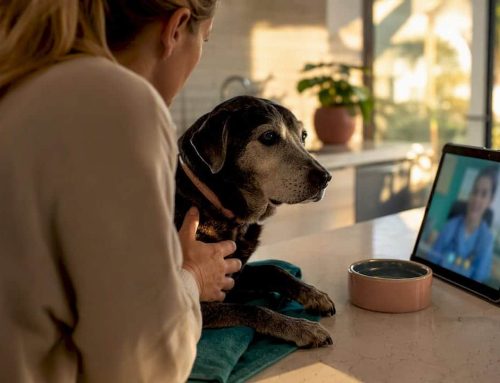
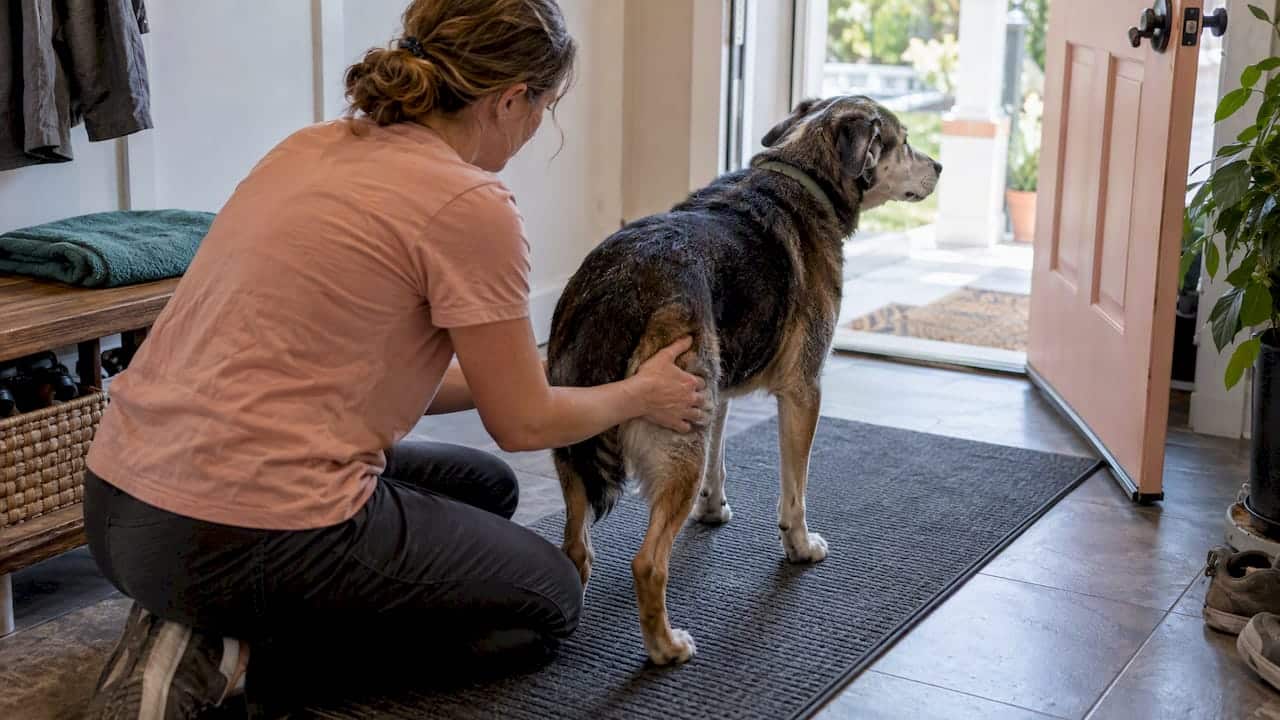
We bring acupuncture, electroacupuncture, aquapuncture, food therapy, and herbal therapy directly into your dog’s home, which matters most for senior or anxious pets who find clinic visits stressful. Telemedicine follow-ups let us track progress between in-person sessions. Before your first visit, we ask that you share recent records from your primary veterinarian so we can build a plan that fits alongside, not around, your dog’s existing care.
— Pet Acupuncture & Wellness
Booking an Initial Assessment for Your Dog’s GI Care
We start every case with a thorough initial assessment and acupuncture session with a technician, from 430 USD, covering your dog’s history, a physical exam, and a treatment plan built around the GI symptoms you’re seeing.
From there, many dogs continue with:
- Follow-up electroacupuncture sessions at 30 USD each, often paired with manual needling.
- Aquapuncture for acute flare-ups where a needleless or injectate-based approach fits better.
- Food therapy or herbal therapy to support digestion between visits.
We coordinate with your regular veterinarian throughout, and we’ll ask you to bring or send recent records before the first appointment so your plan reflects your dog’s full history.
FAQ
Does acupuncture work for GI issues in dogs?
Evidence from controlled and retrospective studies suggests acupuncture can help with GI symptoms like vomiting, diarrhea, and dysmotility when used alongside standard veterinary care. A randomized study found GV-1 aqua-acupuncture cut recovery time for acute diarrhea nearly in half compared to conventional therapy alone.
How can I help a dog with GI issues at home?
Supportive steps like a bland or vet-recommended diet, ensuring adequate hydration, and following your veterinarian’s treatment plan remain the foundation of care. Acupuncture, food therapy, and herbal therapy can complement that plan, but they work best coordinated with your dog’s primary veterinarian rather than used alone.
How effective is acupuncture on dogs with digestive problems?
Results vary by condition and study, but a retrospective study of 102 dogs found vomiting resolved completely in one to six sessions using points like PC-6, SP-4, and ST-36. Effects tend to be stronger in dogs with an active digestive problem than in healthy animals, where changes are often mild or temporary.
How much does vet acupuncture cost for a dog?
At Pet Acupuncture & Wellness, an initial assessment and acupuncture session with a technician starts from 430 USD, with follow-up electroacupuncture sessions priced at 30 USD each. Costs elsewhere vary based on technique, session length, and whether in-home or clinic visits are involved.
Are there risks or side effects from acupuncture in dogs?
Acupuncture is generally well tolerated, though dogs with bleeding disorders or severe instability need extra caution before treatment. It should always be performed by a licensed veterinary acupuncturist working alongside your dog’s primary veterinarian, especially for serious or acute conditions.
Sources
- Efficacy of GV-1 aqua-acupuncture for acute diarrhea in dogs: a controlled randomized clinical study
- Electroacupuncture improves impaired gastric motility and slow waves induced by rectal distension in dogs
- Therapeutic mechanisms of acupuncture for gastrointestinal diseases: a 2023 review