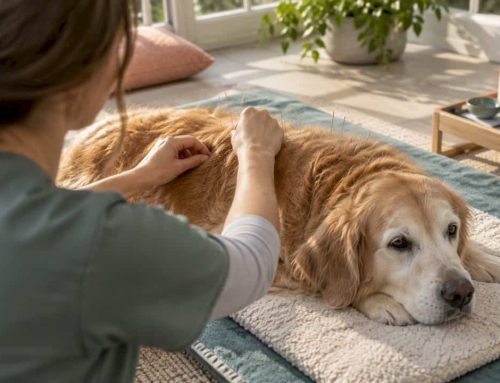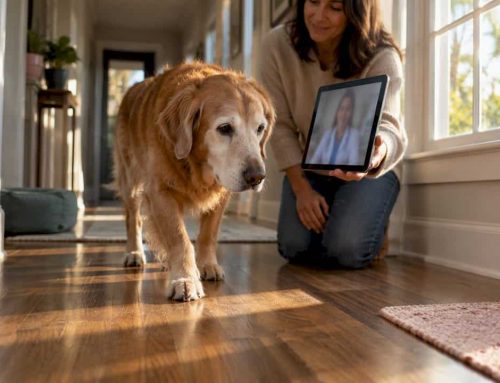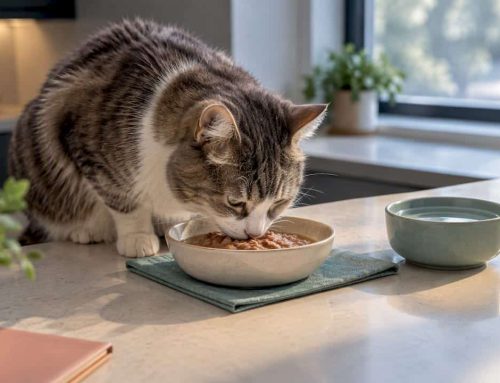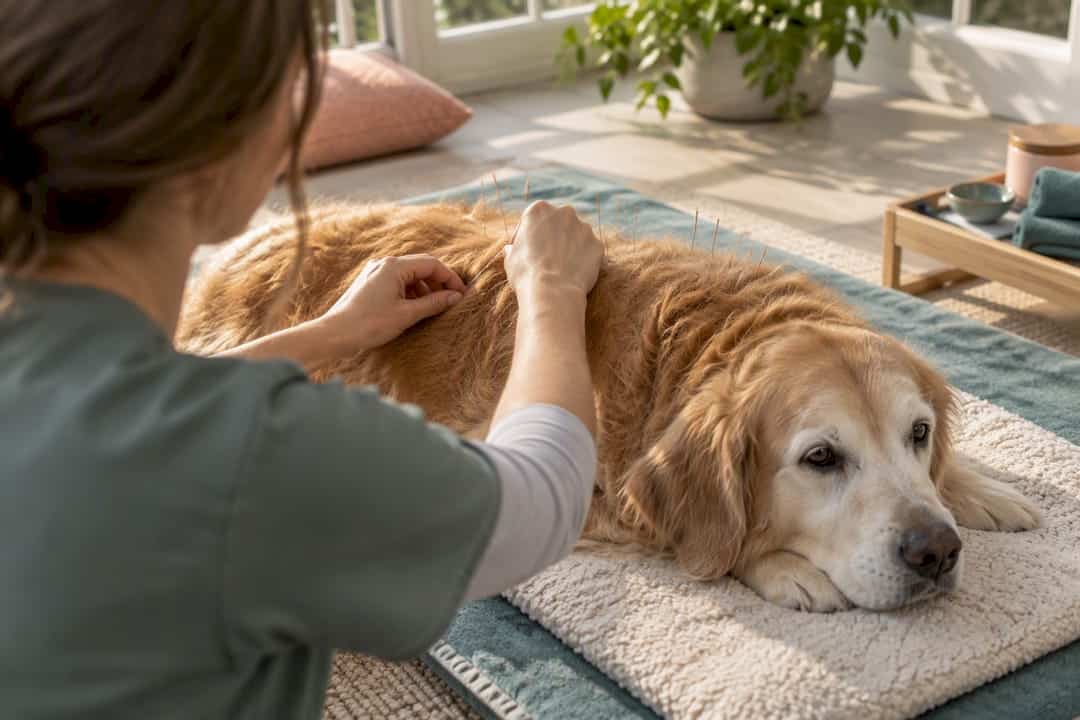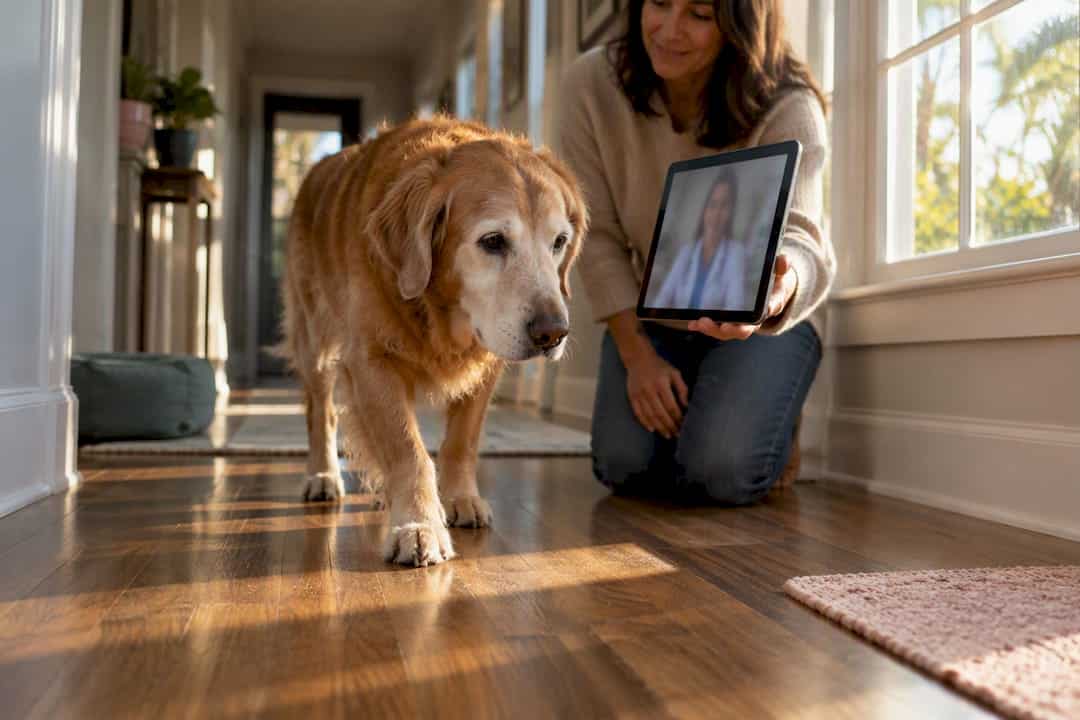
Most dogs need nothing more than a calm, quiet space after acupuncture. Expect sleepiness or mild soreness for up to 48 hours, follow your veterinarian’s exercise and medication instructions exactly, and call the clinic if you see collapse, severe lameness, or breathing trouble.
TL;DR:
- Most post-acupuncture reactions involve sleepiness, mild soreness, or temporary symptom flare-ups, which usually resolve within 48 hours.
- Home care should focus on a quiet, non-slip resting space, activity restrictions, and monitoring needle sites without applying any topical remedies.
- Signs such as severe lameness, bleeding, swelling, breathing difficulty, or neurological decline require immediate vet contact; mild soreness often only needs re-assessment if lasting over 48 hours.
- Closer monitoring and stricter activity limits may be necessary after electroacupuncture, aquapuncture, or gold-bead implantation, which can cause longer-lasting aggravation.
- Functional improvements tend to build over multiple sessions, with owner observations aiding assessment, but they should always be considered alongside vet evaluations.
Table of Contents
- Acupuncture Aftercare for Dogs: What to Expect and When
- How Do You Care for a Dog After Acupuncture at Home?
- When Should You Call the Vet After Dog Acupuncture?
- Does Aftercare Change by Acupuncture Type?
- How Do You Track Your Dog’s Acupuncture Recovery?
- How Pet Acupuncture & Wellness Handles Aftercare at Home
- Ready for In-Home Acupuncture Care in South Tampa?
- Sources
- FAQ
Acupuncture Aftercare for Dogs: What to Expect and When
Your dog’s body is still processing the treatment for a day or two after the needles come out, and knowing what counts as “normal” saves you from a lot of unnecessary worry. A wobbly, drowsy dog on the ride home is not a crisis. It’s the expected response to a session that just asked her nervous system to do some real work.
Three reactions show up most often after a session:
- Deep relaxation or outright sleep, sometimes starting on the treatment table itself
- Mild soreness around the needle sites, similar to how a person feels after a deep-tissue massage
- A brief, temporary flare in the original symptom before things start to settle
Most of these minor effects fade within hours, though some linger up to 48 hours. Functional gains, meaning your dog actually moving better or more comfortably, usually take shape over several sessions rather than one. Complications are uncommon when treatment comes from a trained professional, according to guidance from Washington State University’s Veterinary Teaching Hospital. Clinicians at the University of Florida’s Small Animal Hospital report that many patients simply fall asleep during treatment, with rare minor effects limited to bruising or local irritation at needle sites.
That sleepiness is actually a useful signal. It reflects your dog’s body shifting into a parasympathetic, rest-and-digest state, which is part of why acupuncture is used for pain and stress management in the first place.
How Do You Care for a Dog After Acupuncture at Home?
Home care in the first 48 hours matters more than anything you do after that, since this is the window where your dog’s body settles into whatever response the treatment triggered.
- Set up a quiet resting space. Choose a spot with non-slip flooring, away from stairs or slick tile, and keep fresh water within easy reach so she doesn’t have to walk far while she’s groggy.
- Limit activity per your clinician’s instructions. Skip vigorous play, jumping, and stair climbing for the period your provider specifies, typically the rest of that day.
- Resume feeding on your normal schedule unless told otherwise, and never substitute human medications or adjust prescribed pain relievers without approval from your dog’s veterinarian.
- Leave the needle sites alone. Observe them, but skip creams, essential oils, or home remedies unless your provider specifically recommends one.
- Record a quick baseline. Note her mobility, appetite, breathing, and elimination habits so you have something concrete to compare against if anything seems off.
If your dog’s home environment includes a lot of slick flooring, a few bath mats or yoga mats along her usual walking path can prevent a slip during that groggy post-treatment window. Gentle, low-impact activity such as a short leash walk on soft ground can also support circulation once your provider clears her for movement. Guidance on walking routines and joint health offers useful context on how controlled movement supports canine recovery generally, though your own vet’s specific timeline always takes precedence.
Pro Tip: Keep a simple notes app entry or index card by the door with the date of each session and what you observed that evening. Patterns across sessions tell you far more than any single day’s reaction.
For dogs managing chronic back pain, matching activity restrictions to the treatment plan is especially important. Our guide on acupuncture for back pain recovery walks through how activity and medication timing typically get adjusted session to session.
When Should You Call the Vet After Dog Acupuncture?
Most post-treatment reactions resolve on their own, but a short list of signs means you should call your veterinary team without waiting.
- Collapse or sudden inability to stand
- Lameness that is severe or getting worse rather than better
- Persistent bleeding or swelling at a needle site
- Discharge or heat at a treated area suggesting infection
- Breathing difficulty of any kind
- Repeated vomiting
- Any sign of neurological decline, such as disorientation or loss of coordination
The University of Florida’s integrative medicine team advises contacting your veterinarian promptly for any of these, since they require a clinician’s eyes to sort out. If mild soreness hasn’t improved within 24 to 48 hours, that’s not necessarily an emergency, but it does warrant a re-assessment call. The reason you need the treating clinician rather than a guess from a search engine is simple: distinguishing an expected treatment reaction from early disease progression takes someone who knows your dog’s baseline and the specific technique used.
Does Aftercare Change by Acupuncture Type?
The technique your dog received changes what “normal” recovery looks like, so it helps to know which one was used.
- Dry needling (traditional, outpatient acupuncture): Minimal site care needed. Expect sleepiness and mild soreness, and routine observation at home is usually enough.
- Electroacupuncture or aquapuncture (mild electrical stimulation or injected fluid at acupoints): These can call for closer monitoring of discomfort and sometimes a stricter activity restriction, depending on what your clinician sets.
- Gold-bead implantation: This carries a meaningfully higher chance of short-term aggravation, sometimes lasting days to weeks rather than hours, according to research on gold bead implants for canine hip arthritis. Implants may call for analgesics and a closer follow-up schedule, so ask your provider exactly which warning signs apply to this specific technique before you leave the appointment.
How Do You Track Your Dog’s Acupuncture Recovery?
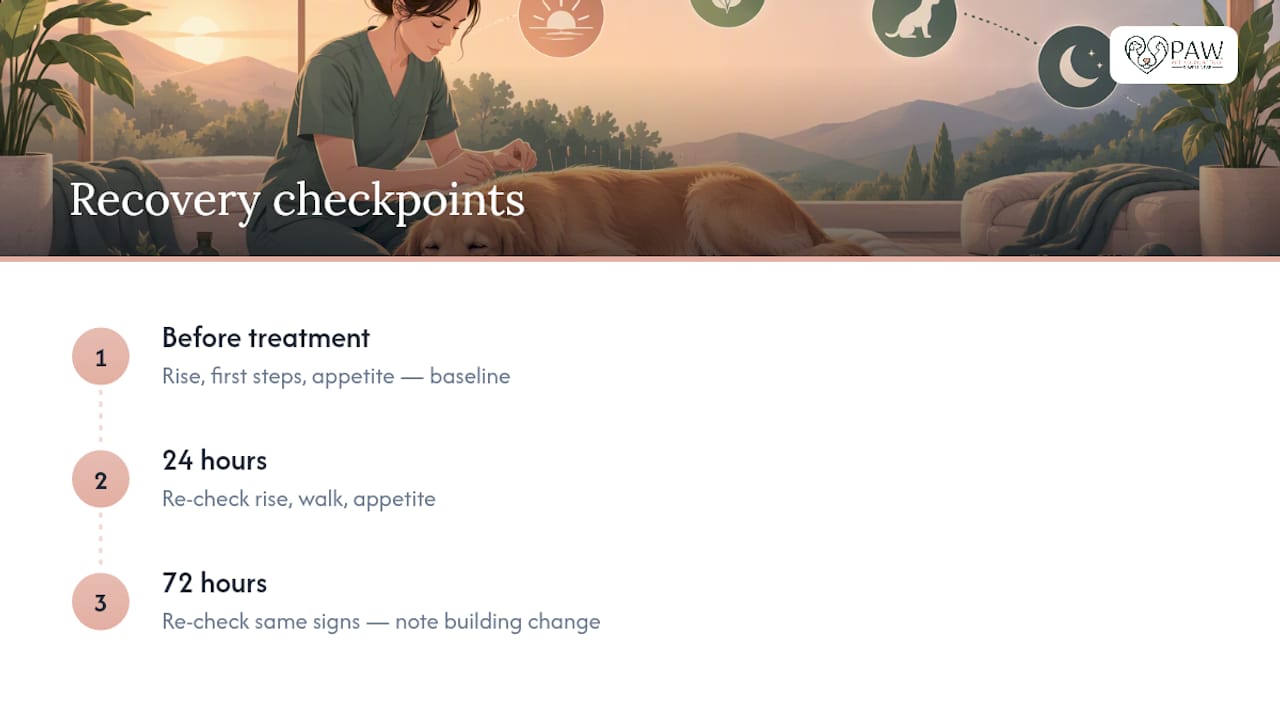
A simple before-and-after comparison tells you more than guesswork ever will. Note how your dog rises from a lying position, how she walks the first few steps, and her appetite level before treatment, then check those same three things at 24 and 72 hours out.
Owner-reported observations often pick up on perceived improvement faster than lab work or formal mobility measurements do, though a prospective clinical trial on canine orthopedic conditions found results vary enough that your observations should be read alongside your vet’s clinical judgment, not instead of it. Real functional change tends to build across several visits rather than one. A systematic review published in Veterinary Evidence found that acupuncture alone is unlikely to fully resolve chronic musculoskeletal pain, so it works best as one piece of a broader plan. Our overview of alternative pain relief options for dogs covers how these therapies typically fit together, and our post on acupuncture frequency breaks down typical scheduling.
Pro Tip: If your dog seems more comfortable to you but a formal reassessment shows little change, that’s not a contradiction. It usually just means the benefit is still building.
How Pet Acupuncture & Wellness Handles Aftercare at Home
Before we leave your home, you get a plain-language rundown: which technique was used, which sites were treated, activity limits, feeding and medication timing, and the exact signs that warrant a call. We coordinate with your dog’s primary veterinarian throughout, and follow-up happens through tele-advice or a return house call, whichever fits your dog’s recovery best.
— Pet Acupuncture & Wellness
Ready for In-Home Acupuncture Care in South Tampa?
You’ve just read what good aftercare looks like on paper. In-home acupuncture care delivers treatment in your own living room, so a senior or anxious dog never has to endure a stressful car ride or a crowded waiting room to get it.
Every visit includes an initial assessment and acupuncture session with a technician, individualized aftercare instructions written for your dog’s specific technique, and tele-advice support if questions come up before your next visit. Follow-up house calls are built into the plan, not an extra hurdle you have to schedule from scratch. If you want to see how sessions are priced before booking, our cost of services page lays out the initial assessment fee alongside laser therapy and other add-on options. Reach out today to schedule your dog’s first in-home visit and get an aftercare plan built around the treatment she actually receives.
This article is general information, not a substitute for advice from a qualified doctor. Consult a qualified healthcare professional about your own circumstances before acting on anything here.
Sources
- Acupuncture for chronic pain in dogs | Veterinary Teaching Hospital | Washington State University
- Acupuncture » Small Animal Hospital » University of Florida
FAQ
How Long Does It Take for Acupuncture to Work on Dogs?
Some dogs show signs of relaxation or comfort within hours, but meaningful functional improvement usually builds over several sessions rather than appearing after just one. Owner-reported comfort sometimes shows up before objective measures catch up, according to clinical trial data.
What Are the Do’s and Don’ts After Acupuncture?
Do provide a quiet, non-slip resting space, follow your vet’s exercise and feeding instructions, and watch the needle sites without treating them yourself. Don’t give human medications, adjust prescribed pain relievers, or apply creams or oils to needle sites without your veterinarian’s approval.
Does Acupuncture Actually Help Dogs?
Many owners report real benefit, particularly for chronic pain and mobility issues, though evidence reviews note it works best as part of a broader multimodal plan rather than as a standalone fix. A systematic review in Veterinary Evidence found the current evidence insufficient to recommend acupuncture alone for chronic musculoskeletal pain.
How Often Should a Dog Have Acupuncture?
Frequency depends on the condition being treated and how your dog responds, with many plans starting more frequently and tapering as symptoms improve. Pet Acupuncture & Wellness sets scheduling based on your dog’s specific response, and our guide on acupuncture frequency covers typical patterns in more detail.