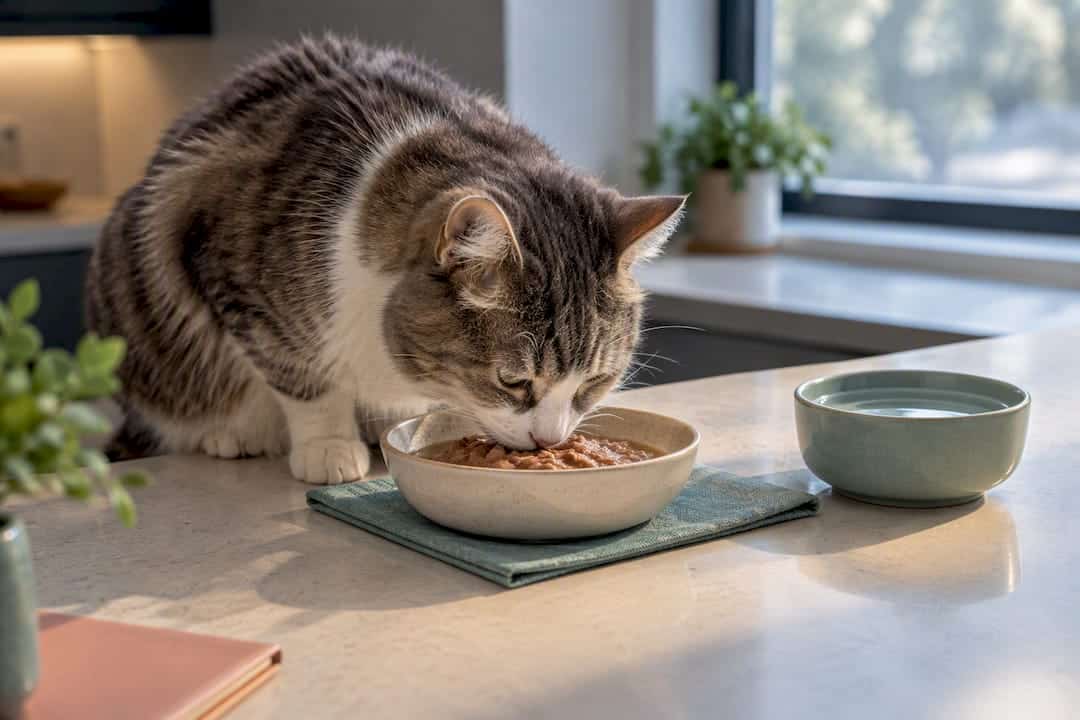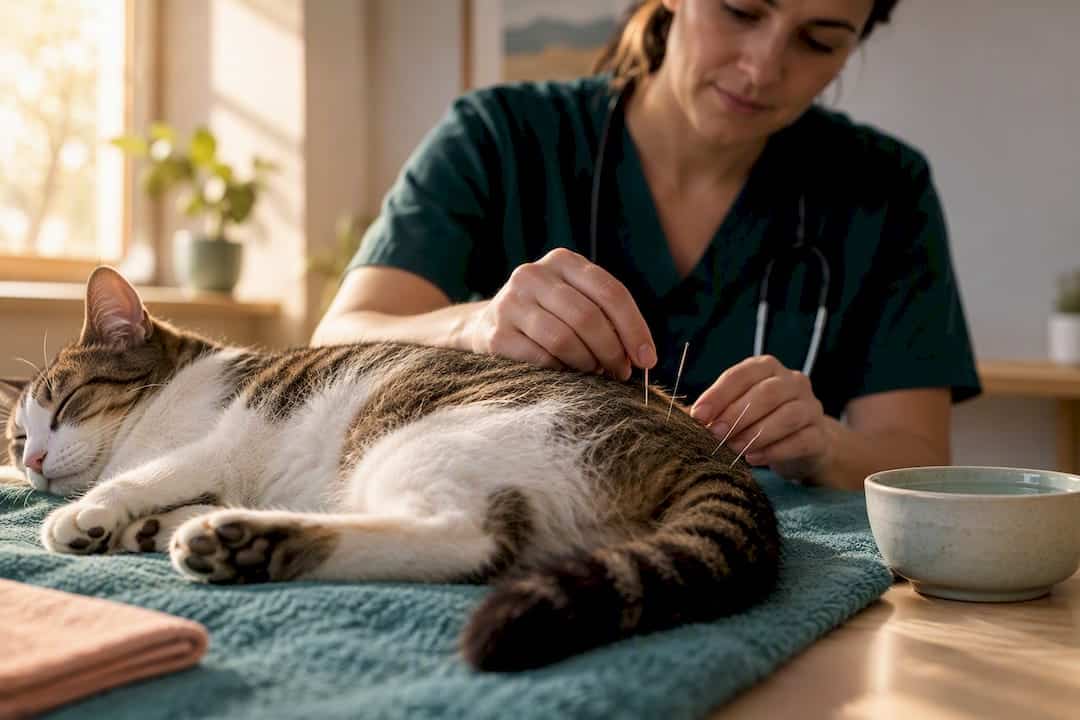
Acupuncture can help some dogs with canine cognitive dysfunction by easing anxiety, improving sleep, and increasing alertness, but it works best as a supportive therapy, not a cure. If your dog is pacing at night, staring blankly at walls, or seems lost in familiar rooms, acupuncture may bring real comfort. It still needs to sit alongside a veterinary diagnosis and a broader care plan built for your dog’s specific stage of decline.
TL;DR:
- Acupuncture may improve alertness and reduce anxiety in dogs with dementia but should be combined with medication, diet, and environmental adjustments for best results.
- Most evidence supporting acupuncture’s benefits comes from human studies, with veterinary trials being limited and mainly based on clinical observation.
- Typical treatment involves weekly sessions initially, focusing on specific acupoints like GV-20, HT-7, and ST-36, with effects usually seen within four to eight weeks.
- The safety profile is good for senior dogs, but practitioners must be licensed and experienced with elderly patients, especially regarding potential contraindications.
- In-home visits are recommended to reduce stress and can be tailored with additional therapies like laser or aquapuncture, with initial costs starting around $430.
Table of Contents
- What Acupuncture for Dog Dementia Is and How It May Help
- What the Research and Expert Commentary Actually Show
- How Acupuncture Is Performed for Dogs With Cognitive Dysfunction
- What Results to Expect and When to Reassess
- How Acupuncture Fits Into a Full Dementia Care Plan
- Safety, Contraindications, and Choosing a Qualified Practitioner
- How Pet Acupuncture & Wellness Approaches Cognitive Care
- Getting Started With In-Home Acupuncture for Your Senior Dog
- Sources
- FAQ
What Acupuncture for Dog Dementia Is and How It May Help
To watch your dog wander in circles or forget where the water bowl is can feel heartbreaking. Acupuncture won’t reverse those changes, but it may calm the nervous system enough to soften them.
Veterinary acupuncturists use several delivery methods depending on your dog’s temperament and needs:
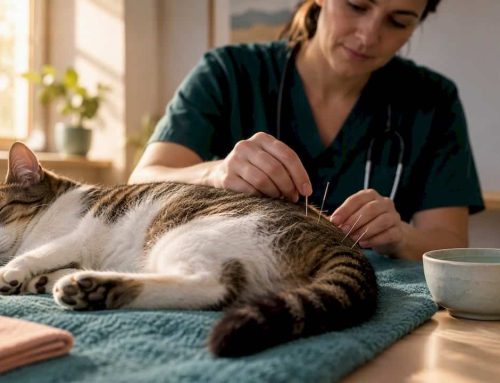
- Dry needling places fine, sterile needles at specific points to stimulate nerve and muscle response.
- Electroacupuncture adds a gentle electrical current through the needles for stronger, more sustained stimulation.
- Laser acupuncture uses focused light instead of needles, a good option for dogs who won’t tolerate needle insertion.
- Aquapuncture injects a small amount of liquid, often vitamin B12, directly into an acupoint.
- Acupressure applies manual pressure to the same points, useful for at-home reinforcement between visits.
Think of your dog’s body as having a network of internal roadways, what Traditional Chinese Veterinary Medicine calls Meridians, carrying Qi, or energy, to every organ and tissue. When aging disrupts that flow, practitioners believe stimulating specific points along those pathways can restore balance between Yin and Yang, shade and sunlight, calm and alertness. On a physiological level, clinicians point to improved blood flow to the brain, modulation of neurotransmitters, and support for neurotrophin signaling that keeps neurons communicating. The result many owners notice first is a calmer household: fewer 3 a.m. pacing sessions, more genuine eye contact, less anxious circling by the back door.
What the Research and Expert Commentary Actually Show
The honest answer is that the evidence for acupuncture and dog dementia is encouraging but incomplete. A systematic review and meta-analysis published in AJTCVM found that Traditional Chinese Medicine, including acupuncture and herbal medicine, produced statistically significant improvements in cognitive measures. The catch: most of that data comes from human trials, and controlled veterinary studies remain few and small.
The evidence gap in one sentence: most cognitive benefit data comes from human research; direct veterinary trials on dogs with cognitive dysfunction are still limited.
Clinical observation fills some of that gap. Veterinary acupuncturists frequently report an “added bonus” when treating senior dogs for arthritis or back pain: the dog also seems more alert, more engaged, more like its younger self. Expert commentary in dvm360 ties this to human neuroimaging studies showing acupuncture can shift brain-wave patterns and fMRI activity in regions tied to memory and attention. It’s a plausible mechanism, not a proven one in dogs specifically.
University veterinary programs stay measured on this point. Texas A&M’s guidance on aging pets and Cornell’s canine health resources both frame complementary therapies, acupuncture included, as one piece of a multi-modal approach rather than a standalone fix. Neither treats it as optional fluff, but neither oversells it either.

How Acupuncture Is Performed for Dogs With Cognitive Dysfunction
A typical session lasts a short duration, calm enough that many dogs relax or even nap partway through. Your practitioner selects acupoints based on your dog’s individual symptoms rather than a fixed formula, but several points come up often in cases involving cognitive decline:
- GV-20, at the top of the skull, is commonly used to support mental clarity and calm.
- HT-7, near the front paw, is associated with anxiety reduction.
- ST-36, below the knee, is a general vitality point used across many geriatric conditions.
- GB-20, at the base of the skull, targets tension and restlessness.
- BL-15 and BL-44, along the back, support overall organ function and circulation.
Most dogs start with a more intensive phase, often weekly sessions for several weeks, before tapering to a maintenance schedule every two to four weeks to sustain the gains.
Pro Tip: Keep a simple notebook by the door where you jot down sleep quality and pacing episodes after each session. Patterns that are invisible day to day often jump out after three or four weeks of notes.
What Results to Expect and When to Reassess
Some owners notice a calmer dog within the first couple of sessions: less whining after dark, a bit more settled during the evening. Clinicians generally recommend giving the treatment four to eight weeks before judging whether it’s working, since cognitive changes tend to shift gradually rather than overnight.
Look for a specific cluster of improvements: fewer night-waking episodes, calmer body language during transitions like bedtime or car rides, and small gains in responsiveness, like actually looking up when you call their name. A simple owner diary tracking sleep, appetite, and anxious behaviors works well, and some veterinarians use validated questionnaires designed specifically to score cognitive dysfunction over time.
If you’re not seeing any shift after two months, that’s your cue to talk with your veterinarian about adjusting the plan, whether that means changing the acupuncture frequency, adding medication, or reconsidering the diagnosis altogether.
How Acupuncture Fits Into a Full Dementia Care Plan
Acupuncture works best as one layer of a larger strategy, not a replacement for medical management. Here’s how the pieces typically fit together:
- Medication. Selegiline (brand name Anipryl) is the only FDA-approved drug for canine cognitive dysfunction and is often paired with integrative therapies like acupuncture rather than used in isolation.
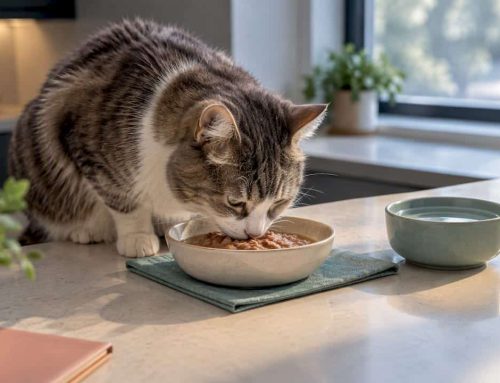
- Diet. Foods enriched with medium-chain triglycerides (MCTs) and antioxidants show the most benefit when paired with mental enrichment, according to senior care guidelines from the American Animal Hospital Association.
- Environment. Nightlights for dogs unsettled after dark, non-slip flooring, and simple puzzle toys give an aging brain something manageable to work with.
Experts who work with cognitive dysfunction syndrome tend to agree on one point: bringing in acupuncture and herbal support early, rather than waiting until conventional options stop working, tends to produce better outcomes.
Safety, Contraindications, and Choosing a Qualified Practitioner
Acupuncture is generally well tolerated by senior dogs, but it isn’t risk-free. Mild soreness or a small amount of bleeding at the needle site can happen, and it usually resolves within a day. Dogs with uncontrolled bleeding disorders or severe systemic instability need veterinary clearance before starting, and any dog under sedation for another procedure needs extra caution around technique.
Before booking, check that your practitioner is:
- A licensed DVM with additional certification in veterinary acupuncture (CVA or equivalent TCVM training).
- Experienced with geriatric patients, who often have more than one condition happening at once.
- Willing to coordinate directly with your dog’s regular veterinarian rather than working in isolation.
How Pet Acupuncture & Wellness Approaches Cognitive Care
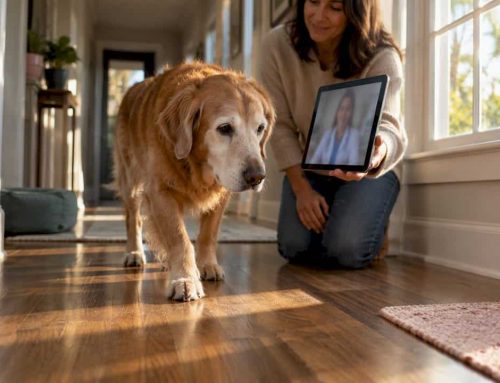
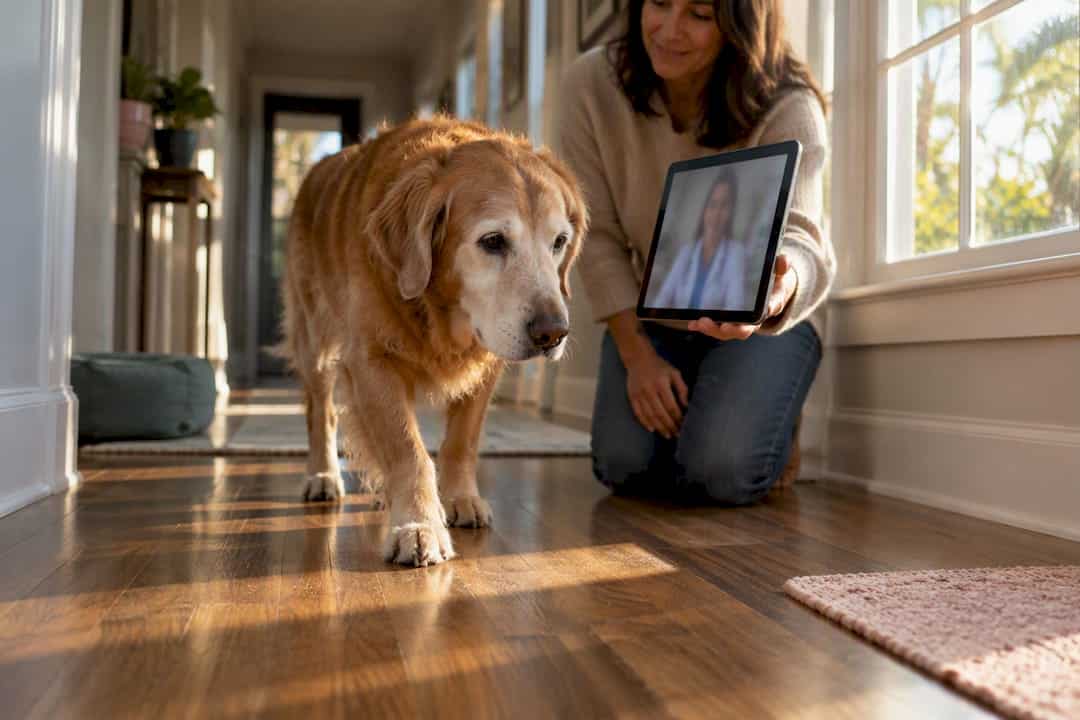
Care typically begins in the pet’s home, observing how they move through their space rather than a brief visit to a clinic. This context shapes a plan built around the dog’s routine, with ongoing coordination with the primary veterinarian.
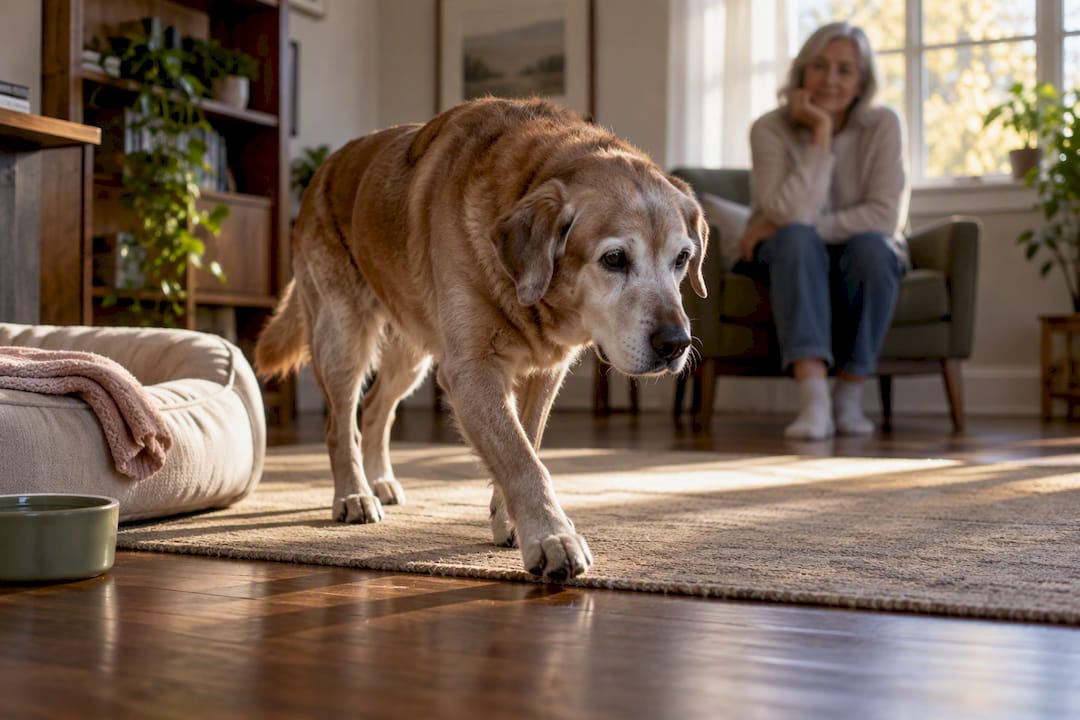
Quality of life looks different for every senior dog. Our job is to talk through what that means for yours and set expectations you can trust.
— Pet Acupuncture & Wellness
Getting Started With In-Home Acupuncture for Your Senior Dog
Driving an anxious, disoriented senior dog to a clinic can undo whatever calm you were hoping to create. Mobile veterinary visits bring the entire care session into the pet’s home, so the dog is treated somewhere they already feel safe.

A first visit typically starts with an initial assessment and acupuncture session with a technician, priced from $430, plus a $60 technician mobile fee for the house call. From there, your practitioner proposes a tailored schedule, whether that means straight acupuncture or a combination approach that includes laser therapy or aquapuncture, and works out session timing with you and your regular veterinarian. Full pricing details for ongoing care live on our cost of services page.
If your dog has been pacing, waking at night, or seeming a little lost in rooms they know by heart, reach out to schedule an in-home assessment and find out whether acupuncture belongs in their care plan.
This article is general information, not a substitute for advice from a qualified doctor. Consult a qualified healthcare professional about your own circumstances before acting on anything here.
Sources
- Senior pets appear more cognitively aware after acupuncture. An expert explains why | dvm360
- Efficacy of Traditional Chinese Veterinary Medicine in the Treatment of Cognitive Dysfunction: A Systematic Review and Meta-Analysis | AJTCVM
- Dementia in aging pets: how to recognize and support dogs and cats with cognitive decline | Texas A&M Stories
- Canine health topics: senior dog dementia | Cornell University College of Veterinary Medicine
- 2023 AAHA senior care guidelines for managing cognitive dysfunction and behavioral anxiety
FAQ
How Can I Help an Elderly Dog With Dementia?
Focus on a combination of consistency and comfort: keep furniture and feeding spots in the same place, add nightlights for nighttime confusion, and introduce simple enrichment toys. Many owners also add integrative therapies like acupuncture alongside veterinary-guided medication and diet changes.
How Long Can Senior Dogs Live With Dementia?
Cognitive dysfunction itself isn’t fatal, and dogs can live comfortably for years with the right management. Life expectancy depends more on other age-related conditions than on the dementia diagnosis alone, which is why a full veterinary evaluation matters.
How Do I Calm a Dog With Dementia at Night?
Nighttime restlessness, sometimes called sundowning, often responds to a predictable bedtime routine, a nightlight, and reducing daytime napping so your dog is genuinely tired come evening. Some owners see calmer nights after starting acupuncture, though clinicians typically recommend allowing four to eight weeks to judge whether it’s helping.
Can Acupuncture Really Help With Dog Dementia Symptoms?
Acupuncture can’t reverse cognitive dysfunction, but veterinary acupuncturists frequently report improved alertness and reduced anxiety in senior dogs receiving it for other conditions. A systematic review found supportive evidence in human studies, though direct veterinary research is still developing.
What Does an Acupuncture Visit for Dog Dementia Cost?
Pet Acupuncture & Wellness offers an initial assessment and acupuncture session with a technician starting from $430, plus a $60 mobile technician fee for in-home visits. Ongoing session pricing, including electroacupuncture and laser add-ons, is listed on the cost of services page.