Keep your dog cool, calm, and moving as little as possible when breathing looks labored. Swap any neck collar for a well-fitting harness today, cut back strenuous exercise and heat exposure, and treat bluish gums, collapse, or severe open-mouth breathing as a true emergency that needs a vet immediately. Home care manages the day-to-day; it never replaces veterinary diagnosis or crisis treatment. Some practices can complement that care with in-home integrative support once your dog is stable.
TL;DR:
- Maintaining a healthy weight reduces respiratory workload, decreasing the risk of crises for dogs with laryngeal paralysis.
- Short, shaded walks and indoor cooling measures are essential, as dogs cannot pant efficiently and heat poses a high danger.
- Using a well-fitted harness instead of a collar distributes pressure properly and minimizes airway stress during walks and vet visits.
- Recognizing signs of an emergency, such as bluish gums or open-mouth breathing, and acting swiftly can save your dog’s life.
- Lifelong feeding and water precautions are necessary to reduce aspiration pneumonia risk, especially if surgery is considered or performed.
Table of Contents
- What Does Daily Home Care Look Like for Laryngeal Paralysis?
- What Are the Emergency Signs of a Breathing Crisis?
- How Do You Reduce Aspiration Risk at Mealtime?
- Which Home Environment Changes Reduce Everyday Stress?
- Can Acupuncture or Laser Therapy Help at Home?
- When Should You Return to the Vet for Follow-Up or Surgery?
- How Mobile Integrative Care Fits Into Your Dog’s Recovery
- Ready for In-Home Support Between Vet Visits?
- Sources
- FAQ
What Does Daily Home Care Look Like for Laryngeal Paralysis?
Most dogs with laryngeal paralysis are older, large breed dogs whose airway muscles no longer open properly during a breath. That means less margin for error around heat, exertion, and extra body weight, all of which increase the demand on an already compromised airway.
Weight matters more than owners expect. Every extra pound raises the amount of air a dog needs to move, which raises the workload on a larynx that already can’t open fully. Portion-controlled meals, a vet-approved diet, and consistent daily walks (rather than one long weekend hike) keep respiratory demand as low as possible.
Exercise needs a new rulebook. Short, slow walks on flat, shaded routes beat any form of strenuous play, fetch, or off-leash running. Skip exercise entirely during peak heat or humidity. Dogs with laryngeal paralysis cannot pant efficiently, so heat and humidity are the fastest route to a crisis.
The collar has to go. Harnesses reduce pressure on the larynx that a standard collar places directly across the throat with every pull or tug. A properly fitted harness should:
- Sit flat against the chest with no rubbing at the shoulders
- Leave two fingers of space between the strap and your dog’s body
- Distribute leash pressure across the chest, never the neck
- Stay snug even when your dog pulls toward a squirrel or another dog
Indoor temperature control isn’t optional. Air conditioning, fans, and a cooling mat in your dog’s favorite resting spot help regulate body temperature between walks. Time outdoor breaks for early morning or after sunset when the air is coolest.
Pro Tip: Keep a spare harness by the door and in the car. A dog who bolts back into a collar during a rushed vet trip loses the exact protection you worked to build.
What Are the Emergency Signs of a Breathing Crisis?
A laryngeal paralysis crisis escalates fast, and knowing the warning signs buys precious minutes. Watch for:
- Blue or purple gums and tongue (cyanosis), a sign your dog isn’t getting enough oxygen
- Loud, open-mouth breathing that doesn’t ease with rest
- Collapse or extreme weakness, especially after heat exposure or excitement
- Unresponsiveness to your voice or touch
If you see any of these, respiratory distress from laryngeal paralysis is life-threatening and requires immediate veterinary attention. Move your dog to a cool, ventilated space, remove any collar or harness pressing on the neck, and keep your voice low and your movements slow. Loud commands or forceful restraint raise a dog’s oxygen demand right when it’s already short on air. Skip attempts at home oxygen or airway maneuvers. Call your emergency vet on the way, because clinical care may include supplemental oxygen, active cooling, sedation, and, in severe cases, intubation.
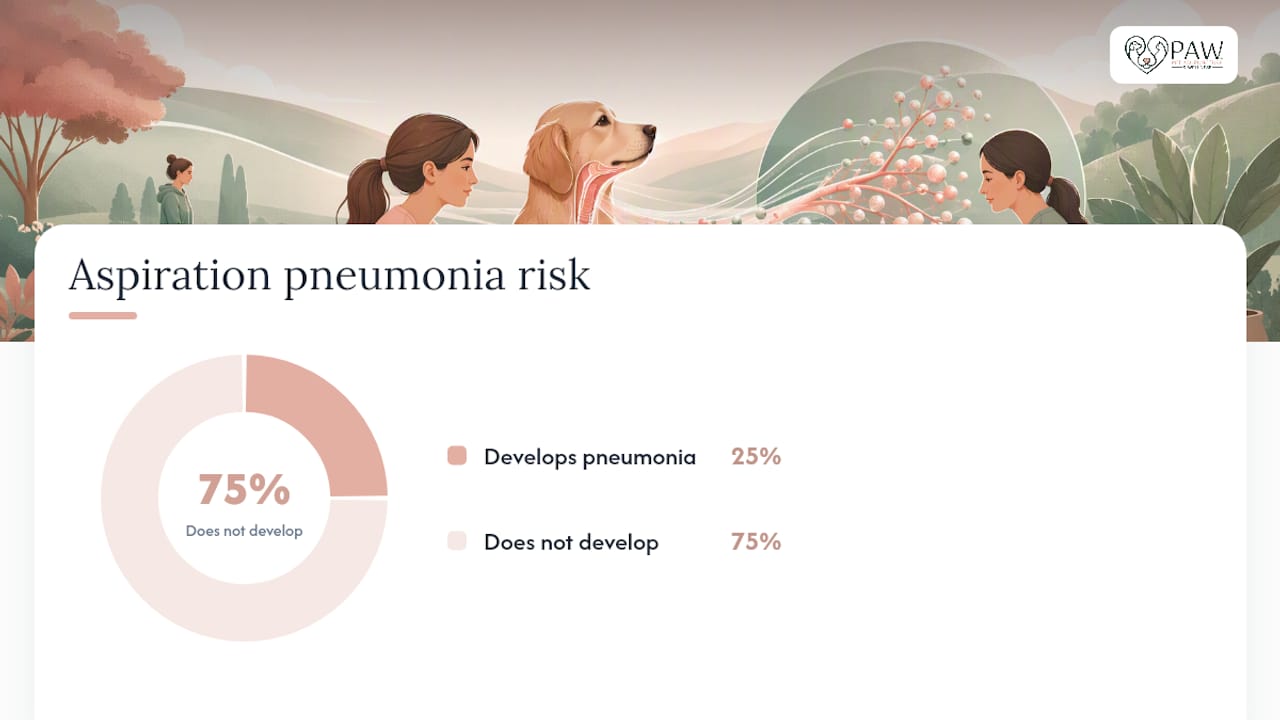
At the clinic, roughly one in four dogs who undergo tie-back surgery will develop aspiration pneumonia at some point afterward, which is one reason to consider how to tilpasse fôring ved sykdom for hunden din to reduce risk well beyond the immediate crisis.
How Do You Reduce Aspiration Risk at Mealtime?
That notable aspiration pneumonia rate after tie-back surgery isn’t a reason to panic. It’s a reason to change how your dog eats and drinks, starting now if surgery is even a possibility down the road.
- Offer small, frequent meals instead of one or two large bowls
- Try pre-formed meatball-sized portions of canned or moistened kibble, which are easier to swallow slowly
- Use an elevated feeding station to reduce strain on swallowing muscles
- Give water in shallow bowls with supervised sips rather than free access to a large bucket or pond
- Avoid swimming and unsupervised water play permanently after tie-back surgery, since water entering a surgically altered airway is a lasting risk
These adjustments apply whether your dog has had surgery or is being managed conservatively, since any laryngeal paralysis case carries some swallowing risk.
Which Home Environment Changes Reduce Everyday Stress?
Small routine changes around the house lower your dog’s baseline respiratory effort, which matters just as much as crisis response.
- Set up a cool rest zone with a fan, tile flooring, or a cooling mat, and keep it off-limits to hot, stuffy rooms
- In the car, keep windows ventilated, never leave your dog in a parked vehicle, and secure them with a harness-based restraint instead of a clip-on collar leash
- Handle leash walks calmly and avoid situations that trigger excited barking, since calm, quiet handling reduces oxygen demand in a dog already working hard to breathe
- Add ramps and non-slip mats near stairs and slippery floors, especially if your dog also shows hind-limb weakness, a common companion to laryngeal paralysis in older dogs
Can Acupuncture or Laser Therapy Help at Home?
Integrative therapies won’t reverse nerve damage in the larynx, and no responsible provider will claim otherwise. What they can do is support comfort, circulation, and mobility around the condition.
- Acupuncture may help ease general muscle tension and support relaxation, which can lower the anxiety that often worsens a dog’s breathing pattern
- Low-level laser therapy is used to support tissue healing and reduce inflammation in surrounding muscles, particularly useful if your dog has concurrent joint or mobility issues
- Gentle rehabilitation exercises, done at a controlled pace, can preserve muscle strength without pushing your dog into the exertion zone that triggers breathing trouble
Stop any session immediately and call your vet if you notice worsening breathing, new coughing, or fever during or after a treatment. Delivering these therapies at home, rather than in a waiting room full of unfamiliar dogs, removes the travel stress that so often triggers panting and overheating in the first place.
Pro Tip: Ask whoever provides in-home rehab to demonstrate one or two safe exercises you can repeat between visits, like slow supported physical therapy movements done on a non-slip surface.
When Should You Return to the Vet for Follow-Up or Surgery?
Conservative care works well for many dogs for a long stretch, but it isn’t static. Your vet will likely recommend periodic rechecks that include:
- A sedated laryngeal exam to assess how much the airway is opening
- Chest x-rays to rule out aspiration pneumonia or other complications
- Thyroid testing, since low thyroid function can worsen laryngeal function
- A neurologic exam to screen for GOLPP, the broader syndrome that can also bring on hind-limb weakness and regurgitation
Increasing breathing episodes, dropping exercise tolerance, or repeated cyanosis point toward a surgical consultation. If tie-back surgery happens, most families report good quality of life afterward when lifelong feeding precautions and monitoring continue. Surgery restores airflow. It doesn’t undo the nerve damage, so vigilance continues either way.
How Mobile Integrative Care Fits Into Your Dog’s Recovery
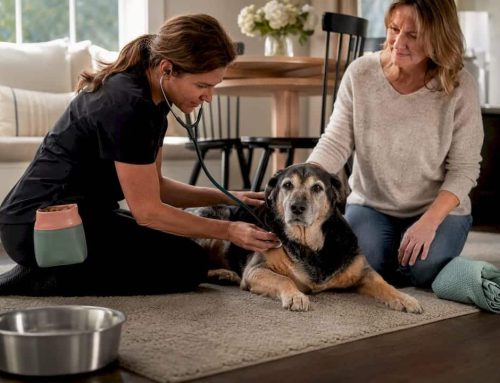
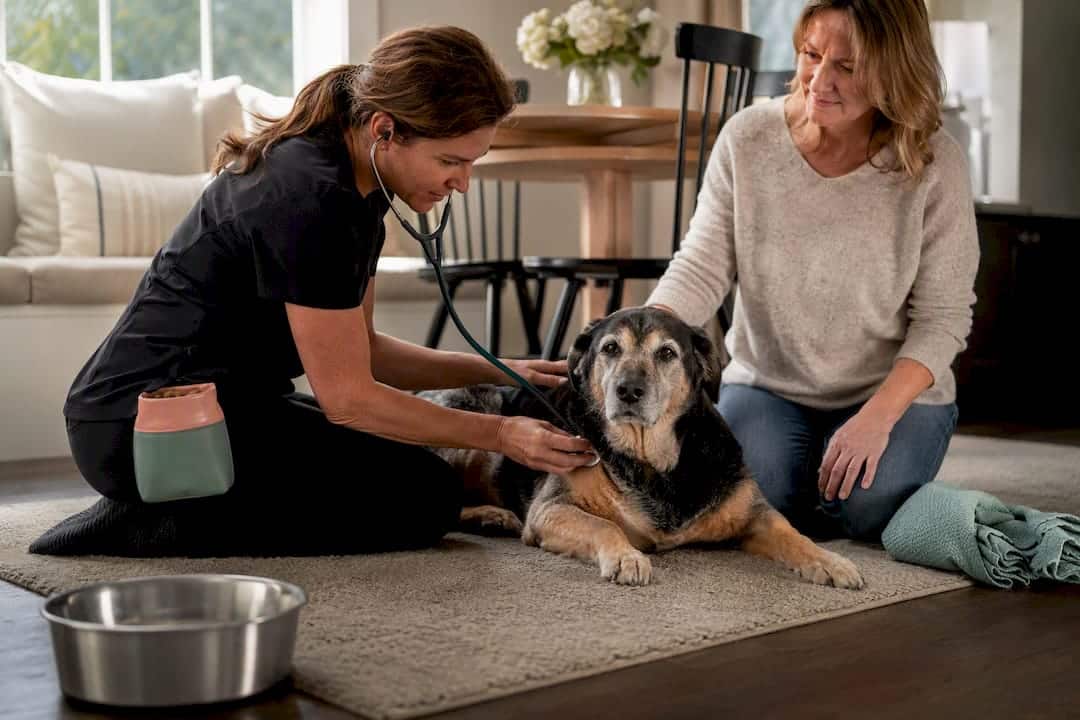
Conventional veterinary diagnosis and emergency care always come first with a condition this serious. Where at-home integrative support earns its place is in the space between crises, easing the stress of clinic visits for senior or mobility-limited dogs who genuinely struggle with car rides and waiting rooms. That’s the gap Pet Acupuncture & Wellness was built to fill, working alongside your primary vet rather than replacing their diagnostics or emergency plan. The realistic goal is steady, well-monitored comfort, not a cure, and that’s a goal worth taking seriously.
— Pet Acupuncture & Wellness
Ready for In-Home Support Between Vet Visits?
A car ride to a crowded clinic waiting room is exactly the kind of stress a dog with laryngeal paralysis can’t afford, which is why some providers bring the appointment to your home instead. Mobile visits can include services such as initial assessment and acupuncture, at-home laser therapy, rehabilitation packages, and telemedicine check-ins, all scheduled around your dog’s comfort rather than a clinic’s calendar.
Before your first visit, clear a quiet space, jot down recent breathing episodes or triggers, and have your dog’s current medication list ready. Full service pricing is available online, including a technician mobile fee, so you know what to expect before booking. If your dog’s mobility or breathing has changed recently, browse our acupuncture services in South Tampa and schedule a visit that meets your dog exactly where they’re most relaxed: home.
Sources
Consult AKC, ACVS, PetMD, and Cornell for clinical detail, and always follow your own vet’s guidance for your dog.
This article is general information, not a substitute for advice from a qualified doctor. Consult a qualified healthcare professional about your own circumstances before acting on anything here.
FAQ
What Is the First Thing to Do During a Breathing Crisis?
Move your dog to a cool, quiet space, remove any collar or harness pressure from the neck, and stay calm since calm handling lowers oxygen demand in a distressed dog. Call your emergency vet immediately rather than waiting to see if symptoms pass.
Are Harnesses Really Necessary, or Is a Collar Fine Sometimes?
Harnesses are recommended over collars in every situation, not just walks, because collar pressure directly compresses the larynx that already can’t open fully. Keep the harness on for car rides and vet visits too, not only outdoor walks.
How Common Is Aspiration Pneumonia After Tie-Back Surgery?
About 25% of dogs develop aspiration pneumonia at some point after tie-back surgery, which is why lifelong feeding adjustments and avoiding swimming remain important even after a successful procedure.
Can Acupuncture Replace Surgery for Laryngeal Paralysis?
No. Acupuncture and laser therapy support comfort, circulation, and mobility, but they don’t restore nerve function to a paralyzed larynx. Pet Acupuncture & Wellness offers these therapies as a complement to your primary vet’s diagnosis and treatment plan, delivered at home to reduce travel stress.
What Other Symptoms Should I Watch for Besides Breathing Changes?
Watch for hind-limb weakness, wobbliness, or regurgitation, since laryngeal paralysis is often part of the broader GOLPP syndrome that Cornell researchers track. Report any new mobility changes to your vet rather than assuming they’re just normal aging.