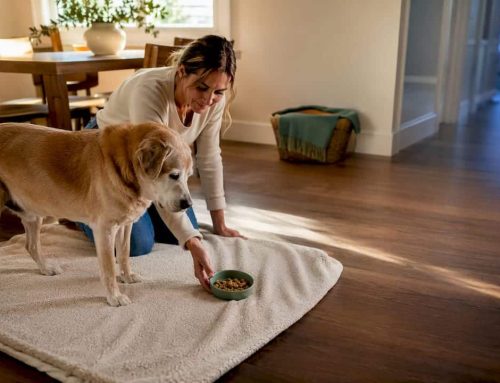
Acupuncture is a reasonable, low-risk option for many senior cats, and the benefit owners notice most is better comfort and mobility. It works best as one piece of a multimodal care plan rather than a stand-alone fix, and under a certified practitioner, the risk of harm is small. Most cats showing early signs of discomfort respond within two to three sessions, though the full schedule depends on the condition and how your cat responds.
TL;DR:
- Acupuncture can effectively reduce pain and improve mobility in senior cats, especially for arthritis and post-surgical recovery.
- It utilizes various methods, such as dry needling, electroacupuncture, laserpuncture, and aquapuncture, tailored to the cat’s temperament and health status.
- Benefits include decreased reliance on medications limited by organ disease, with minor risks like soreness or brief calmness after treatment.
- Response times vary, with many cats responding within two to three sessions, and treatment plans should include specific, measurable goals.
- In-home sessions tend to improve compliance and tolerance, making acupuncture a suitable option for frail, anxious, or transportation-sensitive senior cats.
Table of Contents
- What Veterinary Acupuncture Is and How It Works
- Types of Acupuncture Used on Cats
- Benefits Owners Typically See in Senior Cats
- Conditions in Older Cats That May Respond Well
- Safety, Side Effects, and When to Avoid It
- What to Expect During a Session
- How to Choose a Qualified Practitioner for Your Cat
- How At-Home Acupuncture Works for Senior Cats
- Our Take: Acupuncture Deserves a Real Trial, Not Blind Faith
- Bringing Acupuncture Home for Your Senior Cat
- Sources
- FAQ
What Veterinary Acupuncture Is and How It Works
Veterinary acupuncture involves inserting thin needles at specific points on your cat’s body to stimulate the nervous system. It sounds mystical, but the mechanism is closer to biology than magic: needling activates sensory nerves that trigger the release of natural pain-relieving compounds, calm overactive pain signals, and improve local blood flow to sore joints and tissues.
Research on the topic shows acupuncture produces analgesia through local, segmental, and suprasegmental nervous system pathways, which is why veterinarians increasingly treat it as a legitimate part of a broader pain plan rather than an alternative to it. Much of the strongest data still comes from lab and human studies, with veterinary-specific clinical trials still growing in number.
For a senior cat, this matters more than it might for a younger one. Aging bodies often carry conditions like kidney disease that limit which pain medications are safe to use long term, and acupuncture can modulate the nervous system to ease chronic pain and inflammation without adding to your cat’s drug load.
- Reduces pain signaling through the central and peripheral nervous system
- Boosts circulation to stiff, arthritic joints
- Triggers natural endorphin release
- Offers an option when kidney or liver disease limits medication choices
Types of Acupuncture Used on Cats
Not every senior cat needs (or tolerates) a traditional needle. Practitioners have several tools, and a skilled one will match the method to your cat’s personality and condition.
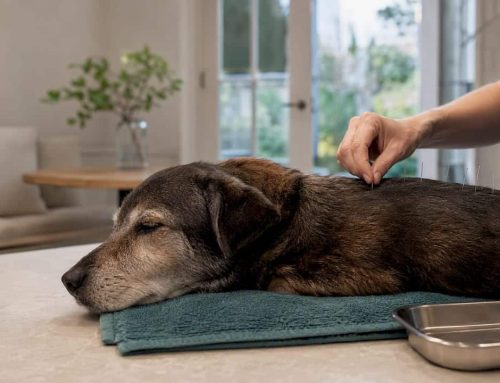
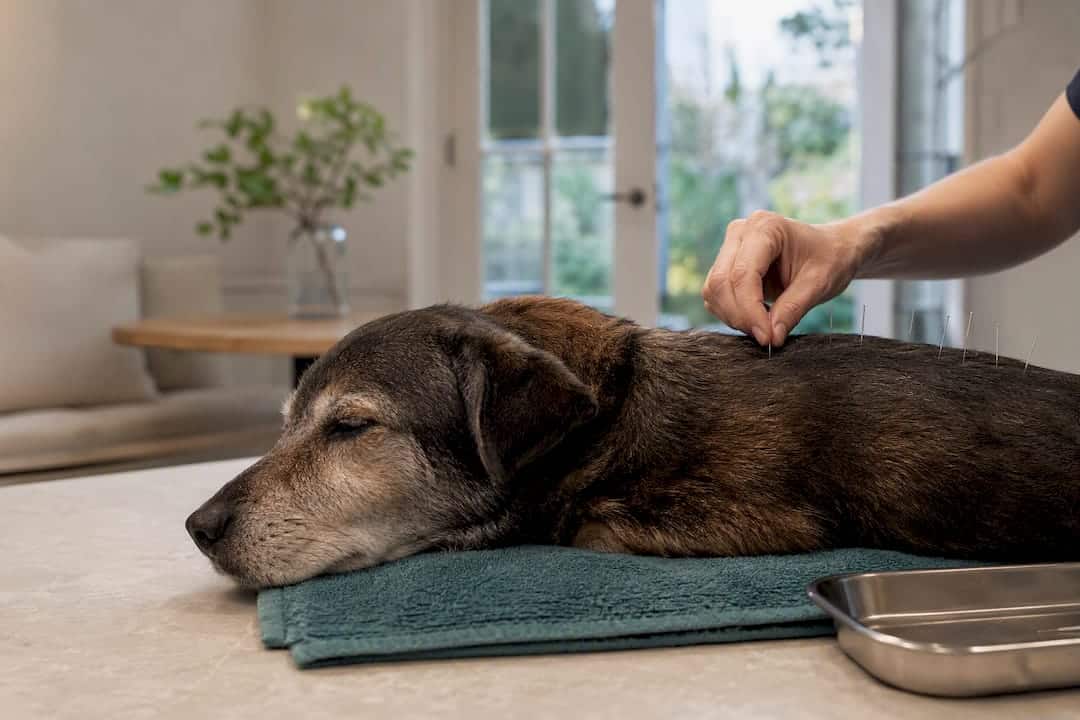
- Dry needling uses very fine needles, often 26 to 40 gauge, placed at specific points and left in place for roughly 5 to 15 minutes for cats, shorter than most dog protocols.
- Electroacupuncture (EA) adds a mild electrical current to inserted needles, useful for deeper muscle and nerve stimulation in cases like arthritis or disc disease.
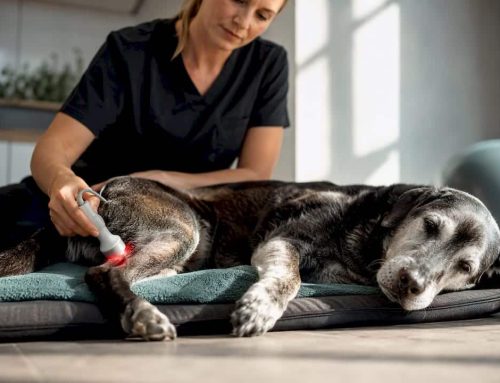
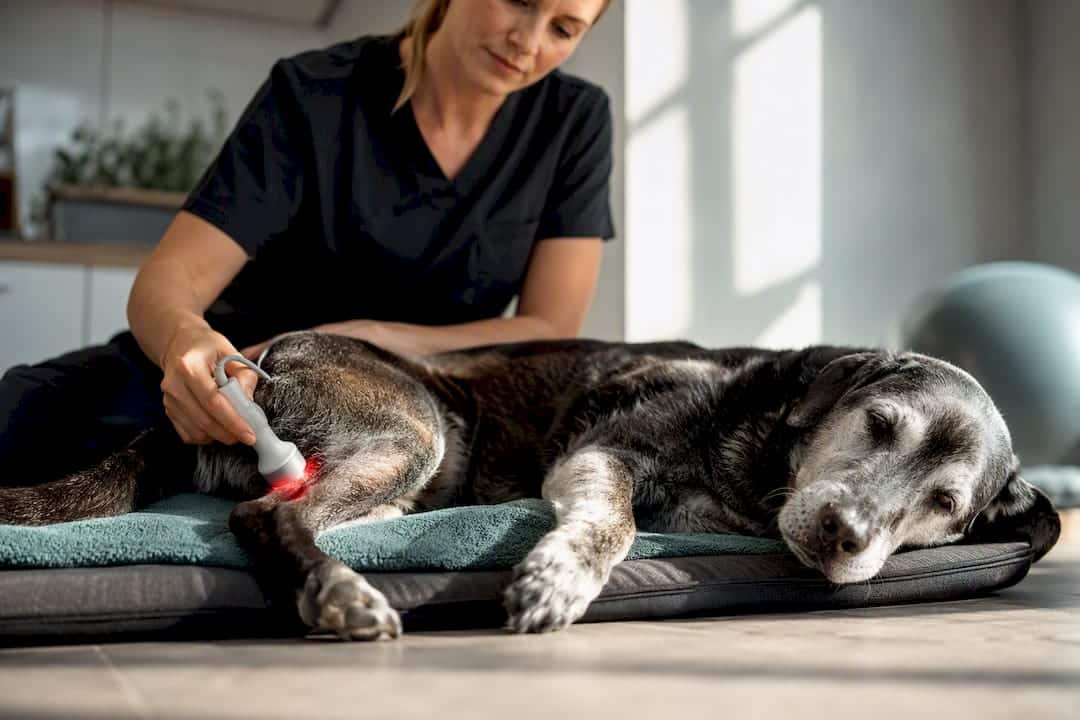
- Laserpuncture (LLLT) replaces needles with low-level laser light aimed at acupuncture points, a good fit for needle-averse or extremely frail cats.
- Aquapuncture injects a small amount of liquid, often vitamin B12 or saline, at a point instead of needling, giving a longer-lasting stimulus with fewer insertions.
A practitioner typically starts with dry needling for a calm, tolerant cat and shifts to laser or aquapuncture for one who startles easily or has thin, fragile skin.
Benefits Owners Typically See in Senior Cats
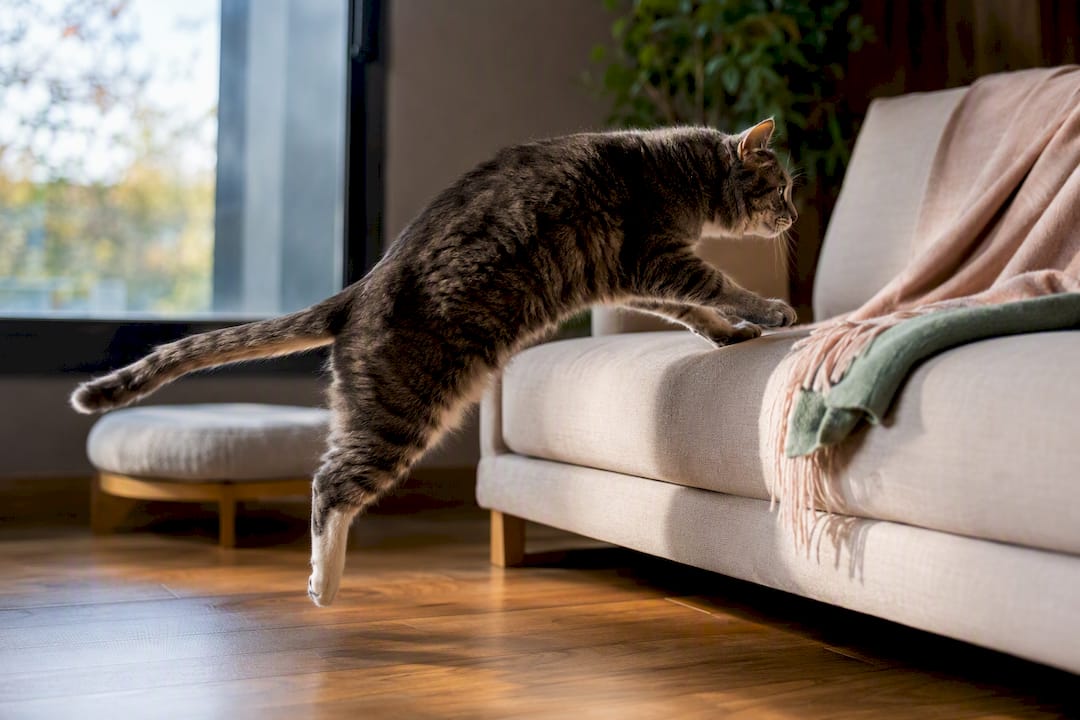
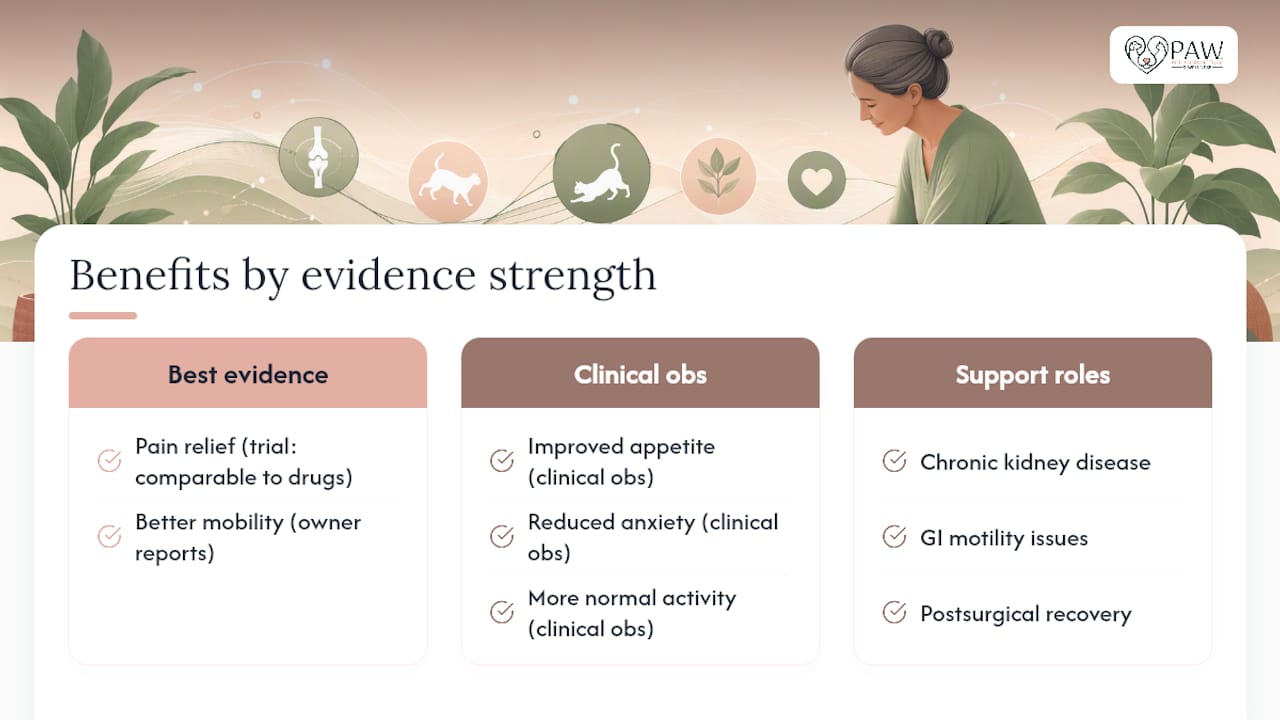
The most consistently reported benefit is pain relief paired with better mobility. Owners often notice their cat jumping onto the couch again, using the litter box without hesitation, or simply moving through the house with less stiffness.
A randomized trial comparing feline postoperative pain management found that acupuncture produced pain scores and rescue analgesia rates comparable to tramadol and meloxicam in the first 24 hours after surgery. That’s a meaningful data point: it suggests acupuncture can hold its own against standard drugs in at least some short-term pain scenarios, not just as a vague “feel-good” add-on.
Beyond pain control, some cats show improved appetite, more normal activity levels, and reduced anxiety after sessions. Acupuncture also plays a supporting role in chronic kidney disease management, GI motility issues, and recovery after surgery. The strength of evidence varies by condition: pain and mobility have the most support, while claims around anxiety reduction and appetite rest more on clinical observation than controlled trials.
Pro Tip: Track one or two specific behaviors, like how many steps your cat takes to reach a favorite window perch, rather than judging progress on “vibes” alone. Small, measurable changes are easier to spot than a general sense of improvement.
Conditions in Older Cats That May Respond Well
Age-related joint disease tops the list for a reason: it’s common, painful, and often underdiagnosed in cats because they hide discomfort well.
- Osteoarthritis and degenerative joint disease are the leading reasons senior cats start acupuncture, with the strongest clinical support of any indication on this list.
- Postoperative pain and rehabilitation benefit from acupuncture’s ability to reduce reliance on medication after procedures, backed by the tramadol and meloxicam comparison mentioned above.
- Chronic GI issues and feline asthma sometimes improve with acupuncture as a supporting therapy, though the evidence here is thinner and more anecdotal.
- Stress-linked urinary problems and palliative cancer care round out the list, where acupuncture is used mainly for comfort and quality of life rather than a cure.
Arthritis and postoperative pain have the firmest ground under them. The rest deserve a trial period with clear goals, not blind faith.
Safety, Side Effects, and When to Avoid It
Acupuncture has a strong safety record in trained hands. Serious adverse events are rare when a certified practitioner performs the treatment, and most cats tolerate sessions calmly once they get used to the process.
- Mild, temporary soreness at needle sites
- Brief drowsiness or unusual calm after a session
- Rare bruising or minor bleeding at insertion points
- Very rare infection if hygiene protocols aren’t followed
Acupuncture isn’t right for every cat. It should be avoided or approached cautiously in cats with uncontrolled bleeding disorders, those who are medically unstable, or cats who become so stressed by handling that the session does more harm than good. A thorough exam by your cat’s regular veterinarian, ideally in coordination with the acupuncturist, should happen before starting.
Pro Tip: If your cat tenses, hisses, or tries to escape repeatedly during a session, that’s a signal to stop, not push through. A good practitioner will switch to laser or acupressure rather than forcing the issue.
What to Expect During a Session
Your first visit will look more like a consultation than a quick poke-and-go appointment. Expect a full history review, a physical exam, and a discussion of your cat’s specific goals, whether that’s easing arthritis pain or supporting recovery after surgery.
- An initial exam covering gait, joint range of motion, and overall health history
- Sessions typically lasting 20 to 30 minutes, with needle dwell time of 5 to 15 minutes for cats
- A course of treatments scheduled more frequently at first, then spaced out as symptoms improve
- Costs vary by region and provider, generally falling within a moderate price range per session in the U.S. Mobile or in-home visits are sometimes priced differently than clinic visits
- Progress tracked through owner-reported changes in mobility, appetite, and behavior, alongside the vet’s own exam findings
Acute issues, like post-surgical pain, often call for closer-spaced sessions early on. Chronic arthritis management tends to shift toward monthly maintenance once your cat stabilizes.
How to Choose a Qualified Practitioner for Your Cat
Not every veterinarian who owns a set of needles is equipped to treat a fragile 16-year-old cat with kidney disease and arthritis. Credentials and experience both matter here.
- Confirm the practitioner is a licensed DVM with additional certification, such as a CVA (Certified Veterinary Acupuncturist), often earned through programs like the Chi Institute.
- Ask directly about their experience treating cats specifically, not just dogs, since feline anatomy and temperament change the approach.
- Ask what happens if your cat won’t tolerate needles: a practitioner should offer laser or acupressure alternatives without hesitation.
- Ask how they measure progress and how often they’ll reassess the treatment plan.
- Get a clear breakdown of costs and the recommended number of sessions before committing.
For frail, arthritic, or anxious senior cats, mobile or at-home care from a qualified veterinary acupuncturist often produces better results simply because the cat isn’t stressed by a car ride and unfamiliar waiting room before treatment even starts.
How At-Home Acupuncture Works for Senior Cats
At-home visits follow a familiar rhythm: your cat stays in their own space, on their own schedule, while the practitioner works around their comfort level rather than a clinic timetable. Home visits tend to improve compliance and tolerance for frail or anxious senior cats, which raises the odds of a real clinical benefit rather than a stressful, wasted appointment.
- A calm, low-stimulation environment with no car ride or waiting room
- Integrative options layered in as needed, including rehabilitation and herbal support
- Owner coaching on what to watch for between sessions
- A follow-up schedule adjusted to how your cat actually responds
Our Take: Acupuncture Deserves a Real Trial, Not Blind Faith
We think acupuncture earns a spot in a senior cat’s care plan when pain medications are limited by kidney or liver disease, or when mobility has quietly slipped over months. It works best alongside your primary veterinarian, not instead of them, with specific, observable goals set from day one. Track something concrete, whether that’s jumping height or litter box ease, and reassess honestly after a few sessions.
— Pet Acupuncture & Wellness
Bringing Acupuncture Home for Your Senior Cat
This service provides an alternative to a stressful clinic visit for senior cats who freeze up at the sight of a carrier. The practitioner brings the needles, the laser option, and the training to your living room, so your cat’s first session happens on their own couch instead of a cold exam table.

A first visit typically includes a full exam, a conversation about your cat’s specific pain or mobility concerns, and a treatment plan built around what your cat can actually tolerate, whether that’s traditional needling or a needle-free laser approach. Rehabilitation and herbal support may also be offered alongside acupuncture for cats managing arthritis or chronic conditions that need more than one kind of help.
If your senior cat has been slowing down, hesitating at the stairs, or skipping the litter box, book an in-home acupuncture visit in South Tampa and let’s figure out whether it’s arthritis, pain, or something else worth addressing together.
Sources
The AAHA pain management guidelines list acupuncture as a recognized non-drug option for dogs and cats. The PMC review of acupuncture mechanisms explains the nervous system pathways behind pain relief. The AHVMA directory helps owners find certified holistic veterinarians. For owners managing costs alongside care, this pet care resource guide for senior pet owners offers practical budgeting help.
- Review of veterinary acupuncture effects and mechanisms — PMC article
- Analgesic effects of acupuncture vs tramadol and meloxicam in cats — International Journal (DOI)
FAQ
How much does feline acupuncture cost?
Costs vary by region and provider, generally falling within a moderate price range per session in the U.S. Mobile or in-home visits are sometimes priced differently than clinic visits
What can I give my geriatric cat for pain?
Options range from vet-prescribed medications suited to your cat’s kidney and liver health to non-drug approaches like acupuncture, which studies show can match some standard analgesics for short-term pain control; always start with a veterinary exam before choosing a path.
What is considered a silent killer for cats?
Chronic kidney disease is often called a silent threat in senior cats because symptoms build gradually and go unnoticed until the disease is advanced, which is one reason low-risk therapies like acupuncture appeal to owners managing multiple aging-related conditions at once.
Does acupuncture for cats actually work?
Clinical evidence supports acupuncture as an effective part of a multimodal pain plan, with research showing comparable postoperative pain scores to standard drugs and a strong safety profile in trained hands, though results vary by condition and individual cat.