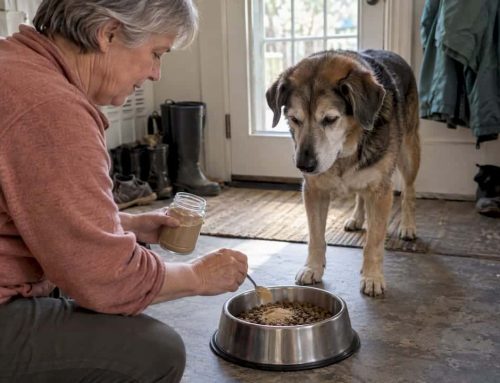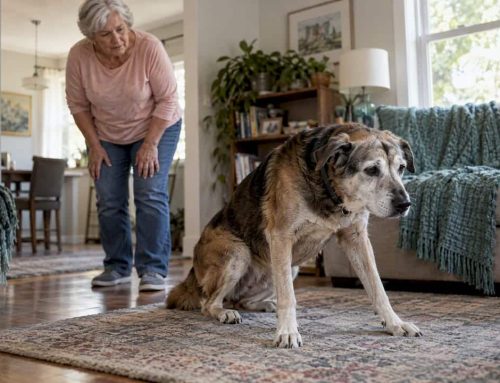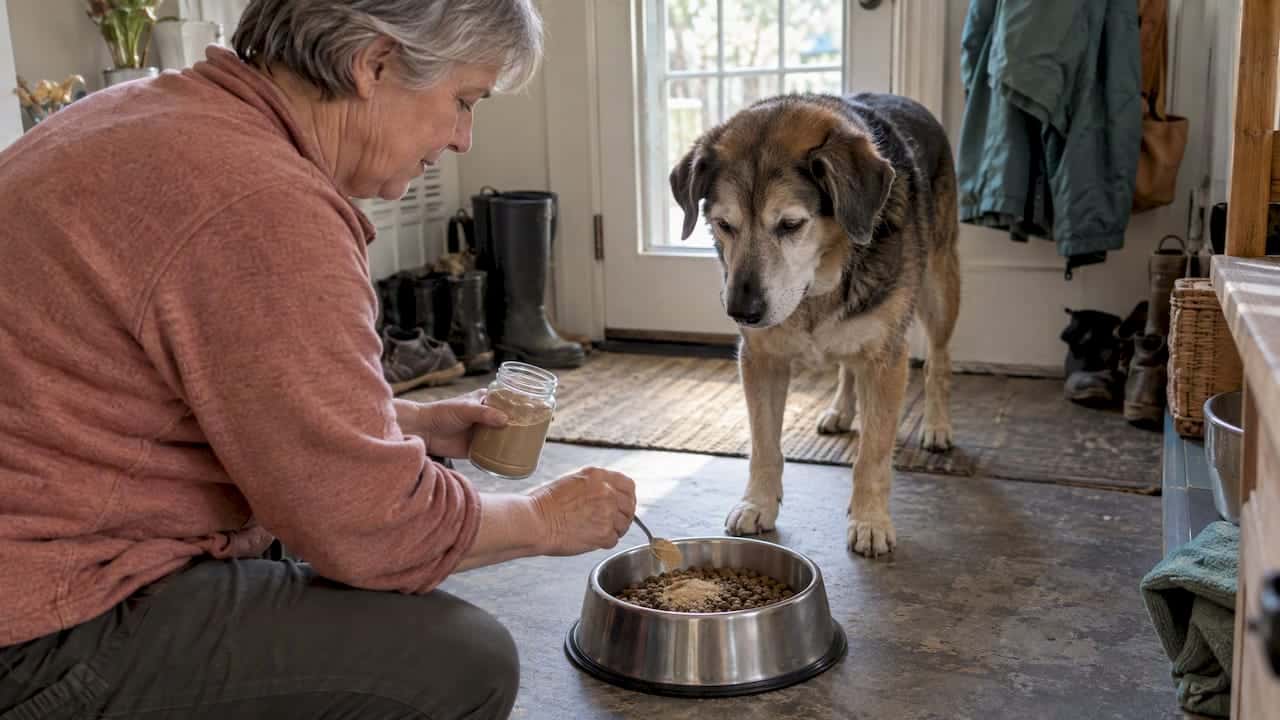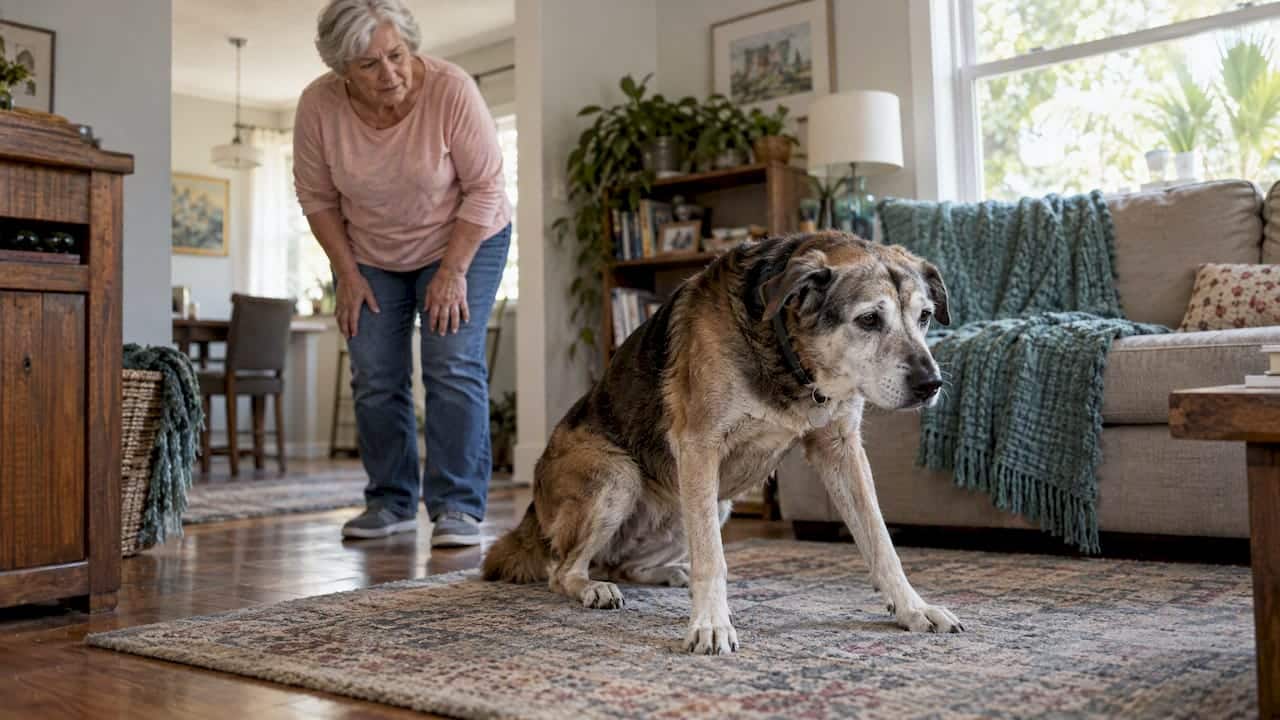
The most effective approach is deceptively simple: short, daily low-impact walks paired with one or two targeted strength and balance drills, added one at a time. Before you start, get veterinary clearance and watch for two stop signals: new limping or stiffness that lingers past 24 hours. Record a quick video of your dog walking and sitting to standing this week. That clip becomes your baseline for everything that follows.
TL;DR:
- Gentle, daily walks of five to fifteen minutes are recommended, with adjustments based on whether your dog has no, mild, or significant mobility limitations.
- Introducing one exercise at a time and monitoring for soreness or reluctance helps prevent overexertion and ensures safety during mobility training.
- Critical warning signs such as lingering stiffness, new limping, or abnormal vocalization require stopping exercises and consulting a veterinarian immediately.
- Professional rehabilitation, including hydrotherapy and manual therapy, becomes necessary if progress stalls after several weeks or signs of pain and muscle wasting appear.
- Environmental modifications, like non-slip surfaces and ramps, significantly reduce fall risks, and pacing your dog’s exercise session enhances overall comfort and safety at home.
Table of Contents
- Which Exercise Types Actually Help Aging Dogs?
- How Do You Perform the Best Mobility Exercises for Senior Dogs?
- Building a Two-Week Routine and Progressing Safely
- What Warning Signs Mean You Should Stop and Call the Vet?
- When Does a Senior Dog Need Professional Rehab or Integrative Care?
- A Mobile Vet’s Take on Making Exercises Low-Stress at Home
- Sources
- FAQ
Which Exercise Types Actually Help Aging Dogs?
Your senior dog’s mobility rests on four pillars, and each one solves a different problem. Strength work (like sit-to-stand reps) rebuilds the muscle around the hips and spine that keeps a dog from sinking backward on landing. Balance and proprioception drills retrain the nervous system to sense where paws are in space, which is often the first thing to fade with age. Range-of-motion stretching keeps the neck and spine supple so everyday movements like turning to look at you do not feel stiff. Low-impact cardio, including gentle walks and, when appropriate, hydrotherapy, builds endurance without pounding arthritic joints.
Certified canine rehabilitation practitioners point to sarcopenia, the age-related loss of muscle mass, as the real driver behind sudden mobility crises. That is why strength and balance work function as clinical interventions, not casual play.
How you prioritize depends on your dog’s current mobility tier:
- No noticeable limitation: two daily walks plus one strength drill, five to fifteen minutes total.
- Mild limitation: shorter walks, gentler drills, more frequent rest between sets.
- Significant limitation: vet-directed only, with assisted movements and very brief sessions.
Whatever tier your dog falls into, do this work on non-slip flooring, choose soft terrain for walks, and make sure any water access has a gentle, secure entry point.
How Do You Perform the Best Mobility Exercises for Senior Dogs?
These five moves cover the ground most senior dogs need. Introduce them one at a time, never all in the same week.
-
Sit-to-stand. Cue your dog to sit, then immediately ask for a stand, using a treat lure if needed. This targets hind-end strength directly. Start with three to five reps, once daily, and stop the moment you see wobbling or reluctance. Skip this one if your dog has severe hip pain until a vet or rehab professional clears it.
-
Front-feet-up rear strengthening. Place your dog’s front paws on a low, stable step or a thick book (roughly four inches works for most medium breeds). Hold for a few seconds, then release. The American Kennel Club calls this “power posing,” and it shifts weight onto the rear legs to build the exact muscles that fail first with age. A common mistake is choosing a step too high, which strains the shoulders instead of loading the hips.
-
Lateral walking and figure-8s. Gently guide your dog sideways a few steps, or walk them in loose figure-8 patterns around furniture legs. This challenges hip stability and rebuilds the body-awareness that keeps a dog from stumbling on uneven ground. Five slow repetitions per side is plenty to start.
-
Cookie stretches. Hold a treat just out of reach so your dog turns their head toward their shoulder, hip, and back without twisting the body. Hold each stretch for two to three seconds. This keeps the neck and spine flexible, which matters more than owners expect once arthritis sets in.
-
Backward walking. Gently back your dog up a few steps using a treat or light pressure on the chest. This move preferentially works the hindlimb muscles and increases hip and stifle flexion in ways forward walking cannot match. Start with three steps and build slowly.
-
Weight-shift and micro-rock drills. With your dog standing still, gently rock their weight from side to side, or have them stand on a textured mat or balance pad for thirty seconds. Always do this on a non-slip surface. A wobbly dog on a slick kitchen floor is a fall risk, not a workout.
Pro Tip: Do every new exercise for three to five days before adding another. If your dog seems sore or unwilling the next morning, drop back to the last exercise that felt easy and hold there for a week.
Building a Two-Week Routine and Progressing Safely
Structure beats intensity here. Short, frequent sessions of five to fifteen minutes outperform one long workout for senior joints, so plan your week around several small efforts rather than one big push.
- Week one, maintaining dogs: two short walks daily plus one new strength or balance exercise, five reps.
- Week one, mildly limited dogs: three brief walks plus two gentle exercises every other day, three reps each.
- Week one, significantly limited dogs: vet clearance first, then very short assisted sessions only, guided by a rehab professional.
- Every session: start with a five-minute leash walk to warm up muscles, and end the same way to cool down.
- Week two: add one or two reps to whatever felt manageable, or extend a stretch hold by a second or two. Never increase reps and duration in the same week.
- Any week: if you see new stiffness, favoring a leg, or reluctance to participate, cut back to half the volume and hold there for three more days before trying again.
Rest days matter as much as work days. A dog rebuilding muscle needs recovery time between harder sessions, just like any athlete.
What Warning Signs Mean You Should Stop and Call the Vet?
Watch your dog’s behavior as closely as you watch their steps. Some warning signs demand an immediate pause; others mean it is time to call your veterinarian.
- New or worsening limping during or after exercise.
- Vocalizing, yelping, or flinching when moving.
- Stiffness that lasts more than 24 hours after a session.
- Excessive panting, trembling, or reluctance to continue an activity your dog usually enjoys, which signals the exercise has exceeded their capacity.
- Changes in appetite, sleep, or general mood.
Rehabilitation teams increasingly rely on standardized video checks: a 10 to 20 second clip of a straight-line walk and one lie-to-stand transition, compared week over week for stride length, rise time, and symmetry. You do not need clinical training to spot a slower rise time or a shorter stride on your own footage. It often shows up before you would notice it with your eyes alone.
Around the house, a few changes reduce risk considerably: non-slip mats or runners on hard floors, a ramp or low step at doorways and furniture, a supportive harness for assisted lifts, and orthopedic bedding that does not require a hard landing to get comfortable. Small changes like these prevent the falls that turn a manageable mobility issue into an emergency vet visit. For a fuller walkthrough of what to change first, our home safety checklist covers the highest-impact fixes room by room.
When Does a Senior Dog Need Professional Rehab or Integrative Care?
Home exercises have real limits, and knowing where those limits sit matters as much as knowing the exercises themselves. AAHA’s senior care guidance is direct about this: chronic pain in older dogs is often subtle, easy to miss, and best managed as part of an integrative plan rather than exercise alone. If your dog’s progress stalls for two to three weeks despite consistent effort, or if you notice signs pointing toward arthritis or muscle wasting, that is your cue to bring in professional support.
Clinic-directed options typically include:
- Guided, progressive strengthening programs tailored to your dog’s specific joints.
- Underwater treadmill or hydrotherapy sessions, which build muscle with far less joint stress than land-based work.
- Acupuncture or laser therapy, often used alongside exercise to manage pain and inflammation.
- Manual therapy and targeted massage to address specific tight or compensating muscle groups.
Pro Tip: Bring your baseline video, a written list of exercises you have already tried, and your dog’s current medications to a rehab consult. It saves time and gives the rehab team an actual timeline to work from instead of guesswork.
A Mobile Vet’s Take on Making Exercises Low-Stress at Home
The dogs who progress fastest are rarely the ones with the most motivated owners. They are the ones whose owners paid attention to environment before technique. Dim the room slightly if your dog startles easily, keep sessions short enough that they end before your dog gets frustrated, and use low-calorie reinforcement like a few pieces of kibble or a food puzzle rather than high-value treats that overshoot their daily calorie needs fast.
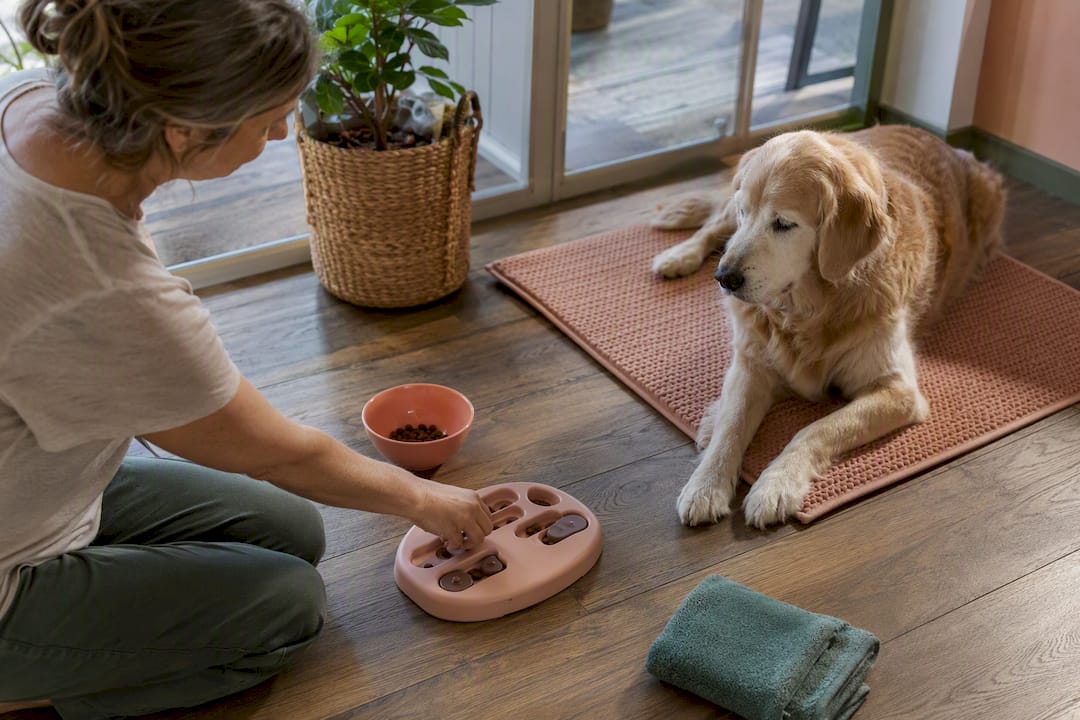
Pacing matters more than owners expect. A five-minute session done calmly beats a fifteen-minute session where your dog is anxious and rushing through reps. If your dog seems tense during exercises, a home massage routine beforehand can loosen things up and make the whole session easier on both of you.
Talk to your veterinarian before starting anything new, and keep sending those short videos home. They tell us more than a single office visit ever could.
— Pet Acupuncture & Wellness
Sources
- 2023 AAHA senior care guidelines for dogs and cats — AAHA
- How to exercise your senior dog — PetMD
- Three easy at-home exercises for senior dogs — American Kennel Club
FAQ
What Is the 7-7-7 Rule for Dogs?
The 7-7-7 rule is a puppy socialization guideline that involves exposing young dogs to multiple surfaces, people, and experiences early on. It has no established application to senior dog mobility work, where the priority instead is gradual, one-exercise-at-a-time progression.
How Far Should You Walk a 12-Year-Old Dog?
There is no single distance that fits every senior dog. Short, frequent walks of five to fifteen minutes, done multiple times a day, tend to work better than one long walk, and the right length depends on your dog’s current mobility tier and how they respond the day after.
Is a Ramp or Stairs Better for Senior Dogs?
A ramp is generally the safer choice for dogs with joint pain or hind-end weakness, since stairs demand more strength and balance with each step. Choose a ramp with a gentle slope and a non-slip surface, especially near doorways, furniture, and vehicles.
What Can I Give My Senior Dog for Mobility?
Mobility support usually combines consistent low-impact exercise with veterinary-guided options like joint supplements, pain management, or integrative therapies such as acupuncture and laser therapy. What your dog actually needs depends on the cause of their mobility change, which is why a vet visit should come before adding any product or supplement.