When your dog struggles to rise from the floor, hesitates at the stairs, or stops asking for walks, arthritis is often the reason. Traditional Chinese Veterinary Medicine (TCVM) for arthritis offers a real, evidence-supported path to relief, and when integrated with conventional care, it can meaningfully reduce pain and restore mobility for many dogs. Acupuncture, including electroacupuncture and laser acupuncture, shows the strongest clinical backing. Tui-na manual therapy has randomized controlled trial support. None of these replace your veterinarian’s diagnosis or pain medications, but together they can do more than either approach alone.
Quick next steps if you’re considering TCVM for your dog:
- Ask your primary vet about adding an integrative approach to your dog’s current pain plan
- Verify any TCVM practitioner holds a CVA (Certified Veterinary Acupuncturist), MS-TCVM, or DACVSMR credential
- Disclose every supplement and herb to both your primary vet and your TCVM practitioner before starting
- Request baseline bloodwork before any herbal protocol begins
- Ask specifically about drug interactions if your dog is already on NSAIDs or anticoagulants
Key Takeaways
TCVM for arthritis works best as an integrative layer alongside conventional veterinary care, with acupuncture, Tui-na, and specific herbal extracts offering the strongest clinical evidence for pain reduction and improved mobility in dogs.
| Point | Details |
|---|---|
| Tui-na has RCT support | 82% of treated dogs showed improved range of motion and 87% had pain reduction after five weekly sessions. |
| Laser acupuncture reduces inflammation | A 2025 RCT found significant reductions in IL-6 and improved mobility after 30 days (p < 0.01). |
| Terminalia chebula is the best-documented herb | Clinical trial showed ~81–84% pain reduction over 150 days with no significant adverse effects on organ markers. |
| Baseline bloodwork is non-negotiable | Get a CBC and chemistry panel before starting any herbal protocol to detect pre-existing organ issues. |
| Credentials matter | Look for CVA, MS-TCVM, or DACVSMR certification before booking any TCVM practitioner. |
| Pet Acupuncture & Wellness | Offers mobile integrative TCVM care in South Tampa, including acupuncture, Tui-na, laser therapy, and herbal prescribing in your home. |
Table of Contents
- What the clinical evidence actually shows about TCVM for arthritis
- How TCVM understands arthritis: Bi syndrome and pattern-based diagnosis
- Acupuncture for canine arthritis: types, mechanisms, and what a treatment course looks like
- Chinese herbal medicine for canine arthritis: formulas, evidence, and safety
- Tui-na manual therapy: what it is, what the evidence shows, and how owners can help at home
- Adjunct modalities that work well alongside TCVM
- Integrating TCVM safely with conventional veterinary care
- How to find and evaluate a qualified TCVM practitioner
- What to realistically expect: timeline, outcomes, and cost
- What a mobile TCVM visit actually looks like
- A perspective on what TCVM actually delivers for arthritic dogs
- Mobile TCVM care for your arthritic dog in South Tampa
- Sources
- FAQ
What the clinical evidence actually shows about TCVM for arthritis
The evidence base for TCVM in canine arthritis is growing, though it is not uniform across modalities. Here is where the strongest signals sit.
A randomized controlled trial published in the American Journal of Traditional Chinese Veterinary Medicine found that adding Tui-na massage to conventional medication produced significantly greater improvements in range of motion, pain, strength, and quality of life after five weekly sessions. That is a meaningful effect size for a manual therapy.
A 2025 randomized controlled trial found that laser acupuncture applied to specific points significantly reduced pain and improved joint mobility after 30 days, with reductions in the inflammatory marker IL-6 and improved antioxidant potential (p < 0.01). A separate non-randomized comparative study of 19 dogs found that an integrative TCVM-plus-conventional group improved on seven of seven outcome measures, while the conventional-only group improved on two, with differences significant at p < 0.05.
A systematic review and meta-analysis in the AJTCVM found that Tui-na produces statistically significant effects for osteoarthritis outcomes across experimental animal models and human clinical studies, with an overall p-value of 4.47×10⁻¹¹ for experimental models, supporting its translational potential for veterinary patients.
Important caveats every owner should understand:
- Most veterinary TCVM trials involve small sample sizes, which limits how broadly conclusions can be applied
- Objective gait measures (force plate analysis) sometimes show smaller effects than owner-reported outcomes on validated instruments like the Canine Brief Pain Inventory (CBPI)
- A prospective randomized placebo-controlled crossover trial of 32 dogs found no significant difference in objective ground reaction forces with acupuncture, though some owner-reported measures improved
- Evidence supports TCVM as an addition to conventional care, not a replacement for it
The WSAVA Global Pain Council recognizes acupuncture as a non-pharmaceutical option for small animal pain, which reflects the growing clinical consensus that multimodal plans outperform single-modality approaches.
How TCVM understands arthritis: Bi syndrome and pattern-based diagnosis
TCVM is a complete medical system rooted in concepts of Qi (vital energy), Yin and Yang (opposing but complementary forces), and Meridians (the body’s energy pathways, think of them as a highway system connecting organs, tissues, and limbs). Where Western medicine diagnoses osteoarthritis based on radiographic joint changes and inflammatory markers, TCVM identifies a pattern that explains why this particular dog is hurting in this particular way.
Arthritis in TCVM falls under the category of Bi syndrome, which translates roughly as “painful obstruction.” The idea is that Qi and Blood are blocked in the joints, causing pain, stiffness, and reduced mobility. What makes TCVM diagnosis individualized is that Bi syndrome has several distinct patterns, each with different signs and a different treatment focus.
According to TCVM clinical literature on degenerative joint disease, pattern identification drives formula and point selection, which is why two dogs with the same radiographic diagnosis may receive entirely different herbal prescriptions.
Common TCVM patterns in canine arthritis:
| TCVM Pattern | Typical Signs | General Treatment Focus |
|---|---|---|
| Kidney Deficiency | Older dog, weakness in hindquarters, worse in cold, slow to warm up | Tonify Kidney Qi and Yang; warm and nourish |
| Damp/Cold Bi | Stiffness worse in damp or cold weather, heavy limbs, reluctance to move | Dispel Cold and Damp; warm the channels |
| Blood/Qi Stagnation | Fixed pain, worse with rest, better with gentle movement, purple tongue | Move Qi and Blood; open the channels |
| Wind Bi | Shifting lameness, pain moves between joints | Expel Wind; stabilize the channels |
Treatment is always tailored to the dog’s TCVM pattern alongside the Western diagnosis. A dog with Kidney Deficiency Bi syndrome gets a different herbal formula and acupuncture point selection than one with Damp/Cold Bi, even if both have hip osteoarthritis on X-ray.
Acupuncture for canine arthritis: types, mechanisms, and what a treatment course looks like
Acupuncture is the most studied TCVM modality for canine arthritis, and it works through several overlapping physiologic mechanisms rather than a single pathway. Understanding the types available helps you have a more informed conversation with your practitioner.
The four main types used in canine arthritis:
- Dry-needle acupuncture: Fine sterile needles inserted at specific acupuncture points along the Meridians. This is the foundation of all acupuncture practice and the most widely available form.
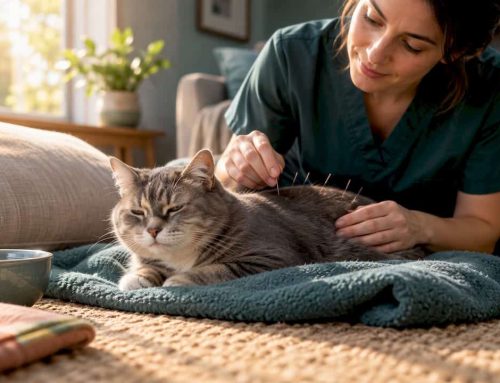
- Electroacupuncture (EA): A small electrical current is passed between pairs of needles, amplifying the local and segmental analgesic effect. Particularly useful for moderate-to-severe pain and nerve-related components of arthritis. Learn more about how EA compares to manual acupuncture for different pain presentations.
- Aquapuncture: A small volume of a sterile solution (often vitamin B12) is injected at acupuncture points, providing sustained point stimulation between sessions. Useful for dogs who tolerate needles poorly.
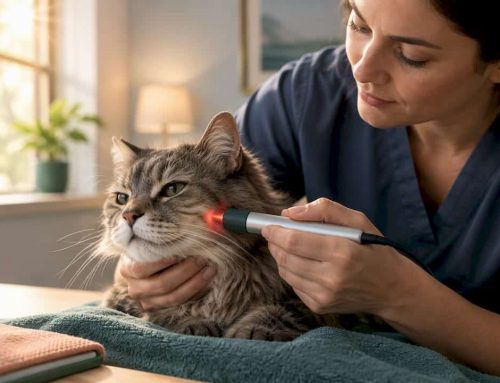
- Laser acupuncture (photobiomodulation): A therapeutic laser is applied to acupuncture points rather than needles. The 2025 RCT found significant reductions in IL-6 and improved antioxidant potential after 30 days, making this a strong option for needle-averse dogs or those with skin conditions at needle sites.
How acupuncture produces pain relief:
The mechanisms are well-documented in veterinary acupuncture review literature. Needle insertion triggers local release of endorphins and enkephalins, activates A-delta and C-fiber pathways that modulate pain signals at the spinal cord level (segmental analgesia), and stimulates descending inhibitory pathways from the brainstem. At the tissue level, acupuncture also modulates cytokines and reduces local inflammation. Point selection for arthritis draws on both Western neuroanatomy and TCVM Meridian theory, and you can read more about how practitioners choose specific points for individual patients.
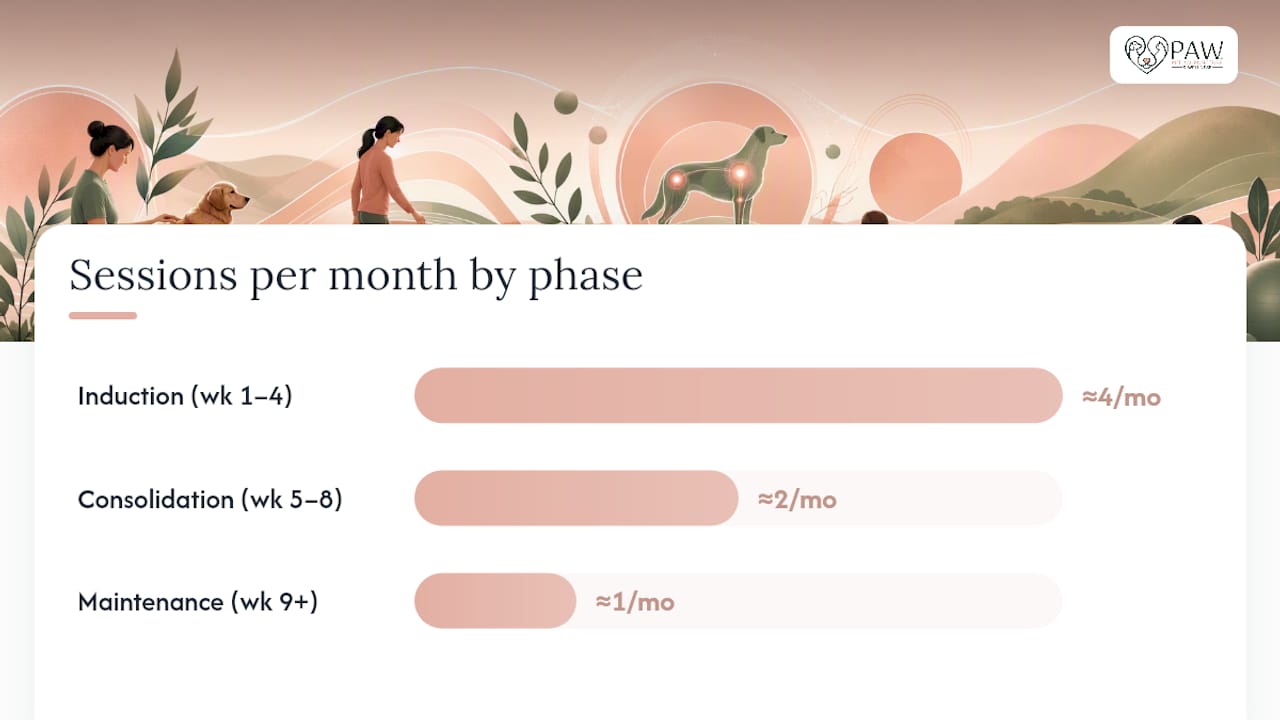
Typical treatment timeline:
| Phase | Weeks | Frequency | What to Expect |
|---|---|---|---|
| Induction | 1–4 | Weekly | Initial pain reduction; some dogs respond by session 2–3 |
| Consolidation | 5–8 | Every 2 weeks | Sustained improvement; mobility gains become more consistent |
| Maintenance | 9+ | Monthly or as needed | Ongoing quality-of-life support; frequency adjusted to response |
Pro Tip: If your dog is a good candidate for both electroacupuncture and physical rehabilitation, ask your practitioner about scheduling them in the same visit or on consecutive days. The combination tends to produce faster functional gains than either alone, particularly for dogs recovering from orthopedic surgery or managing moderate-to-severe hip dysplasia.
For dogs with arthritis in the South Tampa area, mobile acupuncture visits eliminate the stress of clinic travel, which itself can spike pain perception in anxious or mobility-limited dogs.
Safety and monitoring: Most dogs tolerate acupuncture well. Watch for mild sedation after sessions (a normal response), and contact your practitioner if you notice increased soreness lasting more than 24 hours, behavioral changes, or any worsening of neurologic signs. Acupuncture is generally contraindicated over open wounds, active infection sites, or known tumor locations.
Chinese herbal medicine for canine arthritis: formulas, evidence, and safety
Chinese herbal medicine is the second pillar of TCVM, and it works alongside acupuncture rather than as a standalone fix. Formulas are prescribed based on the dog’s TCVM pattern, not just the Western diagnosis, which is why a practitioner will not hand you a bottle of herbs at a first appointment without a full intake.
Commonly used formulas and their general indications:
- Du Huo Ji Sheng Tang: A classical formula for Kidney and Liver deficiency with Wind-Cold-Damp Bi. Often used for older dogs with chronic joint pain, weakness, and cold sensitivity.
- Xiao Huo Luo Dan: Indicated for Blood stagnation with Cold obstruction. Used when pain is fixed, severe, and associated with cold limbs or a dark tongue.
- Yi Yi Ren Tang: Addresses Damp Bi with heat signs. Useful when joints are warm, swollen, or inflamed alongside stiffness.
These formulas are starting points, not prescriptions. A skilled practitioner will often modify a classical formula to fit the individual dog’s constitution, age, and concurrent medications.
The strongest herbal evidence: Terminalia chebula
The clinical trial of Terminalia chebula extract in osteoarthritic dogs is the most rigorously documented herbal study in this space. Given twice daily over 150 days, the extract produced approximately 81.2% reduction in overall pain, 81.5% reduction in pain on limb manipulation, and 84.2% reduction in pain after exertion. Erythrocyte sedimentation rate decreased, radiographic progression slowed, and there were no significant adverse effects on CBC or serum organ markers. That safety profile is notable, though it does not mean every dog tolerates every herbal product without monitoring.
Safety, interactions, and quality control:
- Always disclose herbal use to your primary vet. Several Chinese herbs interact with NSAIDs, anticoagulants (including aspirin), and drugs metabolized by the liver’s cytochrome P450 system
- Baseline bloodwork (CBC, chemistry panel) before starting any herbal protocol allows you to detect pre-existing organ compromise that could affect herb metabolism
- Recheck bloodwork at 60–90 days for dogs on long-term herbal protocols
- Source matters enormously. Veterinary-grade herbal products from manufacturers who test for heavy metals, pesticides, and microbial contamination are not the same as human health-food-store products. Your practitioner should be prescribing from a reputable veterinary supplier
- Never dose herbs based on human or online recommendations. Canine pharmacokinetics differ from human, and some herbs safe in one species cause toxicity in another
Pro Tip: Ask your TCVM practitioner whether the herbal product they are prescribing has a Certificate of Analysis (COA) from a third-party lab. A reputable practitioner will have this documentation readily available.
Tui-na manual therapy: what it is, what the evidence shows, and how owners can help at home
Tui-na is Chinese manual therapy that combines targeted massage, acupressure, and joint mobilization. In a TCVM session, a practitioner uses specific hand techniques, including rolling, pressing, kneading, and gentle traction, to move Qi and Blood through obstructed channels, reduce muscle tension around arthritic joints, and improve range of motion. It is not the same as a general massage, and the technique matters.
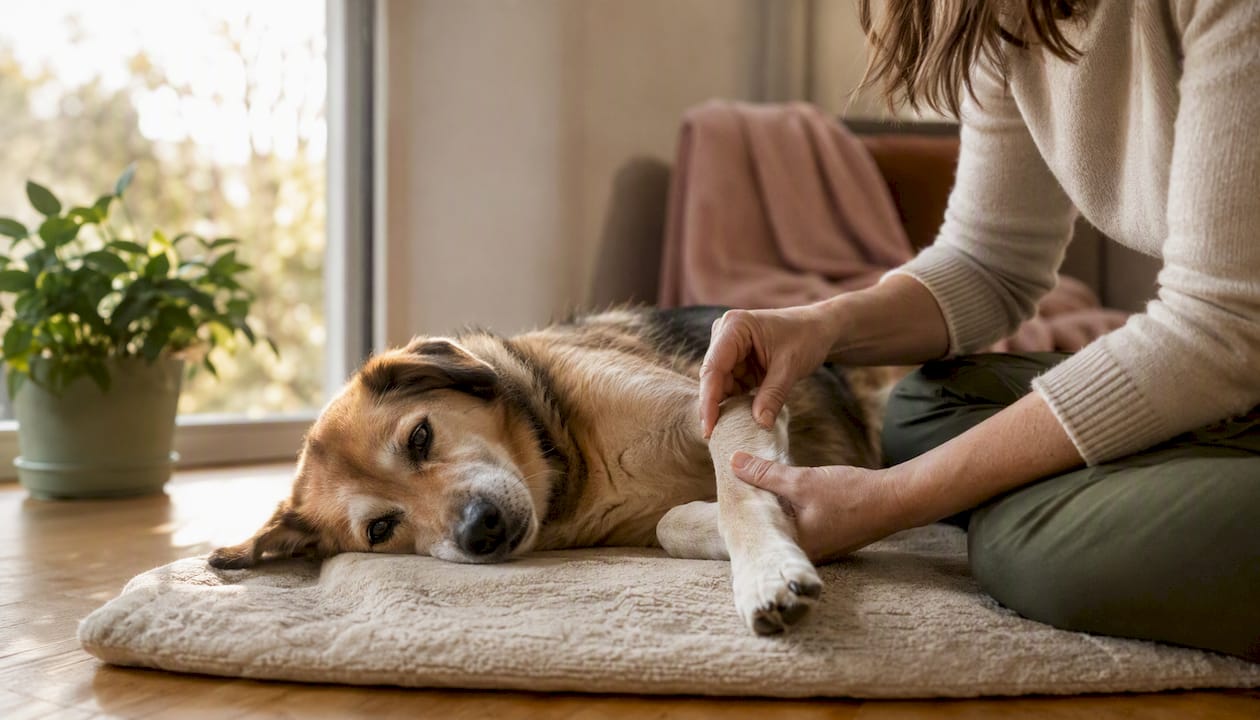
The clinical evidence is the strongest of any TCVM manual modality. The randomized controlled trial showed that adding Tui-na to conventional medication produced 82% improvement in range of motion and 87% pain reduction among treated dogs after five weekly sessions. The systematic review and meta-analysis reinforces this with highly significant results across experimental and human OA studies, supporting its use in veterinary patients.
Which joints respond best:
Tui-na tends to show the clearest benefits at the carpus (wrist), hock (ankle), and elbow, where soft-tissue access is relatively straightforward. Stifle (knee) and hip joints, being deeper and more heavily muscled, often require a longer course and benefit more from combining Tui-na with acupuncture or laser therapy for deeper tissue effects.
What owners can do at home:
Your practitioner can teach you basic caregiver-assisted techniques to extend the benefit between clinic visits:
- Passive range-of-motion (PROM) exercises: Gentle, slow flexion and extension of affected joints through a comfortable range, performed daily for 5–10 minutes
- Effleurage (long stroking): Light, slow strokes along the limb muscles to improve circulation and reduce tension
- Acupressure at key points: A practitioner can show you two or three points relevant to your dog’s pattern for gentle finger pressure between sessions
Always stop if your dog vocalizes, pulls away, or shows any sign of increased discomfort. Home techniques are supportive, not therapeutic replacements for professional sessions.
Pro Tip: For dogs who are needle-shy or anxious about acupuncture, starting with Tui-na for the first two or three visits builds trust and often produces enough early mobility improvement that the dog is more relaxed when needles are introduced. Sequencing matters.
Adjunct modalities that work well alongside TCVM
No single modality carries the full load in a well-designed integrative arthritis plan. The following adjuncts are commonly combined with TCVM, and several have their own clinical evidence base.
Photobiomodulation (therapeutic laser):
A clinical study of 19 dogs showed significant mobility improvement and modulation of IL-6 and IL-10, along with reductions in LDH and CPK in the laser-treated group after 30 days. When laser is applied to acupuncture points specifically (laser acupuncture), it delivers both photobiomodulation and point stimulation simultaneously, making it particularly efficient for dogs who cannot tolerate needles.
Physical rehabilitation:
Hydrotherapy (underwater treadmill), therapeutic exercises, and balance training address muscle atrophy and proprioceptive deficits that accompany chronic arthritis. Pet rehabilitation therapy combined with acupuncture tends to produce faster functional recovery than either alone, particularly in post-surgical patients or dogs with significant muscle loss.
Weight management:
Every kilogram of excess body weight increases joint load. Weight reduction is one of the highest-impact interventions for arthritic dogs, and it costs nothing beyond dietary adjustment and consistency.
Nutraceuticals:
Omega-3 fatty acids (EPA and DHA from marine sources) and chondroitin sulfate have the most consistent evidence among joint supplements. They are generally safe alongside TCVM protocols, though high-dose omega-3 can have mild anticoagulant effects worth noting if your dog is also on herbal formulas with blood-moving properties.
Adjunct selection by patient profile:
| Patient Profile | Recommended Adjunct Bundle |
|---|---|
| Mild OA, otherwise healthy | Acupuncture + weight management + omega-3 |
| Moderate OA, muscle atrophy | Acupuncture + Tui-na + rehab exercises + omega-3 |
| Severe OA, poor mobility | EA or laser acupuncture + Tui-na + hydrotherapy + herbal formula + weight management |
| OA with anxiety or needle aversion | Laser acupuncture + Tui-na + aquapuncture + food therapy |
| OA with concurrent organ disease | Acupuncture (no herbs until labs reviewed) + gentle PROM + weight management |
Contraindications to note: Therapeutic laser should not be applied directly over known neoplasia sites, the eyes, or active hemorrhage areas. Always inform your practitioner of any recent cancer diagnosis before scheduling laser therapy.
Integrating TCVM safely with conventional veterinary care
The most important principle in integrative care is transparency. Your primary vet and your TCVM practitioner need to know everything the other is doing. Herb-drug interactions are real, and the consequences of missing them range from reduced drug efficacy to organ stress.
Principles for safe integration:
- Disclose all treatments, supplements, and herbs to both practitioners at every visit
- Get baseline bloodwork (CBC, chemistry panel, urinalysis) before starting any herbal protocol
- Start new modalities one at a time when possible, so that if a reaction occurs, you can identify the cause
- Keep a simple symptom log (mobility score, sleep quality, appetite) to track changes objectively between appointments
- Schedule a reassessment with your primary vet at 60–90 days after starting TCVM to review bloodwork and overall response
Red flags that require urgent conventional care:
- Sudden loss of limb function or acute neurologic signs (knuckling, dragging a limb, loss of bladder or bowel control)
- Fever, rapid swelling of a joint, or signs of acute infection
- Pain that is uncontrolled despite multimodal therapy and is worsening rather than plateauing
- Significant weight loss, vomiting, or jaundice during herbal therapy
A note on herbal quality and regulatory status: Veterinary herbal products in the United States are not regulated by the FDA in the same way that pharmaceutical drugs are. This means product quality, potency, and purity vary widely between manufacturers. Reputable veterinary herbal suppliers conduct third-party testing for heavy metals, pesticide residues, and microbial contamination. Always ask your practitioner which manufacturer they use and why. Never purchase Chinese herbal formulas from general retail sources for your dog without veterinary guidance — some formulas contain ingredients that are safe in humans but harmful to dogs, and dosing errors in small animals can be serious.
Monitoring schedule:
- Weeks 1–4: Weekly check-ins (in-person or telemedicine) to assess tolerance and early response
- Months 2–3: Bloodwork recheck if on herbal protocols; gait video review
- Every 3–6 months: Full reassessment with primary vet and TCVM practitioner
How to find and evaluate a qualified TCVM practitioner
Credentials matter more in TCVM than in almost any other integrative field, because the gap between a well-trained veterinary acupuncturist and someone with a weekend certificate is significant. Here is what to look for.
Credentials to prioritize:
- CVA (Certified Veterinary Acupuncturist): Awarded by the Chi Institute or the International Veterinary Acupuncture Society (IVAS) after a structured post-graduate program and examination
- MS-TCVM: A master’s-level degree in Traditional Chinese Veterinary Medicine, typically from the Chi Institute’s graduate program
- DACVSMR: Diplomate of the American College of Veterinary Sports Medicine and Rehabilitation, a board certification that often includes integrative modalities
- Training from a program recognized by the AJTCVM community or IVAS adds further credibility
You can learn more about what veterinary acupuncture certification actually involves and what it means for your dog’s care.
Questions to ask before booking:
- What is your approach to combining TCVM with my dog’s current NSAIDs or other medications?
- Will you communicate directly with my primary veterinarian?
- What baseline diagnostics do you recommend before starting herbal therapy?
- What is a realistic timeline for seeing improvement in my dog’s case?
- What is the estimated cost per session, and how many sessions do you typically recommend before reassessing?
- Do you offer telemedicine follow-ups between in-person visits?
Red flags:
- Promises of rapid or complete cure of structural arthritis
- Refusal to coordinate with your primary vet or review existing diagnostics
- Prescribing herbal formulas without baseline bloodwork or a full intake
- No clear credentials or training documentation available on request
- Pressure to discontinue conventional medications immediately
The case for mobile and in-home visits:
For senior or mobility-limited dogs, the clinic visit itself can be a source of significant stress and pain. A dog who is anxious in a waiting room, loaded into a car, and placed on a cold exam table is not in the best physiologic state to receive or respond to treatment. Mobile visits eliminate that stress entirely, allowing the dog to be treated in a familiar, calm environment, which can meaningfully affect how well they respond. This is particularly relevant for dogs with severe hip or spinal arthritis who find car travel painful.
What to realistically expect: timeline, outcomes, and cost
Setting realistic expectations is one of the most important conversations a TCVM practitioner can have with you. TCVM is not a quick fix, and it does not reverse the structural changes of osteoarthritis. What it can do is reduce pain, improve functional mobility, and support quality of life, often substantially.
Typical timelines by modality:
- Tui-na: Many dogs show early mobility changes within 2–5 weeks of weekly sessions
- Acupuncture and laser acupuncture: Meaningful improvement typically emerges over 4–8 weeks of weekly treatment
- Chinese herbal medicine: Herbs often take 8–16 weeks to produce their full effect, particularly for chronic, deep-seated patterns like Kidney Deficiency
Realistic outcomes:
- Reduced pain scores on validated instruments (CBPI, CSOM)
- Improved range of motion and willingness to exercise
- Better sleep quality and reduced nighttime restlessness
- Decreased reliance on NSAIDs (in some dogs, under veterinary supervision)
- Slowed progression of functional decline, not reversal of structural OA
Cost factors:
- Session frequency (induction phase costs more than maintenance)
- Practitioner experience and credential level
- Travel or mobilization fee for mobile visits
- Compounded or custom herbal formulas versus manufactured products
- Diagnostics (baseline bloodwork, radiographs if not recently done)
- Telemedicine follow-up fees between in-person visits
Building a phased plan:
Work with your practitioner to set measurable goals at the outset: a target pain score, a specific mobility milestone (climbing stairs, getting into the car), or a reduction in NSAID dose. Reassess against those goals at 6–8 weeks. If progress is insufficient, the plan should be adjusted, not simply continued unchanged.
Takeaways for planning your dog’s TCVM care:
| Point | Details |
|---|---|
| Tui-na shows early results | Expect mobility changes within 2–5 weeks of weekly Tui-na sessions. |
| Acupuncture and laser take longer | Allow 4–8 weeks of weekly sessions before judging acupuncture’s full effect. |
| Herbs need the most time | Chinese herbal formulas often require 8–16 weeks for full therapeutic effect. |
| Set measurable goals | Define a specific pain score or mobility target at the start and reassess at 6–8 weeks. |
| Cost scales with frequency | Induction-phase sessions are more frequent and more expensive than long-term maintenance. |
What a mobile TCVM visit actually looks like
For many dog owners, the biggest unknown is the visit itself. Here is what a typical mobile integrative TCVM appointment looks like when a practitioner comes to your home.
The visit flow:
- Booking and pre-visit intake: You complete a detailed health history form covering your dog’s Western diagnosis, current medications, supplements, diet, and behavioral changes. This allows the practitioner to review records and plan the session before arriving.
- Arrival and baseline observation: The practitioner observes your dog moving freely in their own space, assesses gait, posture, and demeanor without the distortion of clinic anxiety. Tongue color, pulse quality, and body palpation complete the TCVM intake.
- Treatment: A combined session for an arthritic dog typically includes dry-needle or electroacupuncture (20–30 minutes with needles in place), Tui-na before or after needling, laser therapy to key points, and discussion of herbal options if indicated. In a 60–90 minute visit, there is time for all of these.
- At-home exercise instruction: The practitioner demonstrates PROM exercises and any Tui-na techniques you can perform between visits, with clear guidance on frequency and what to stop for.
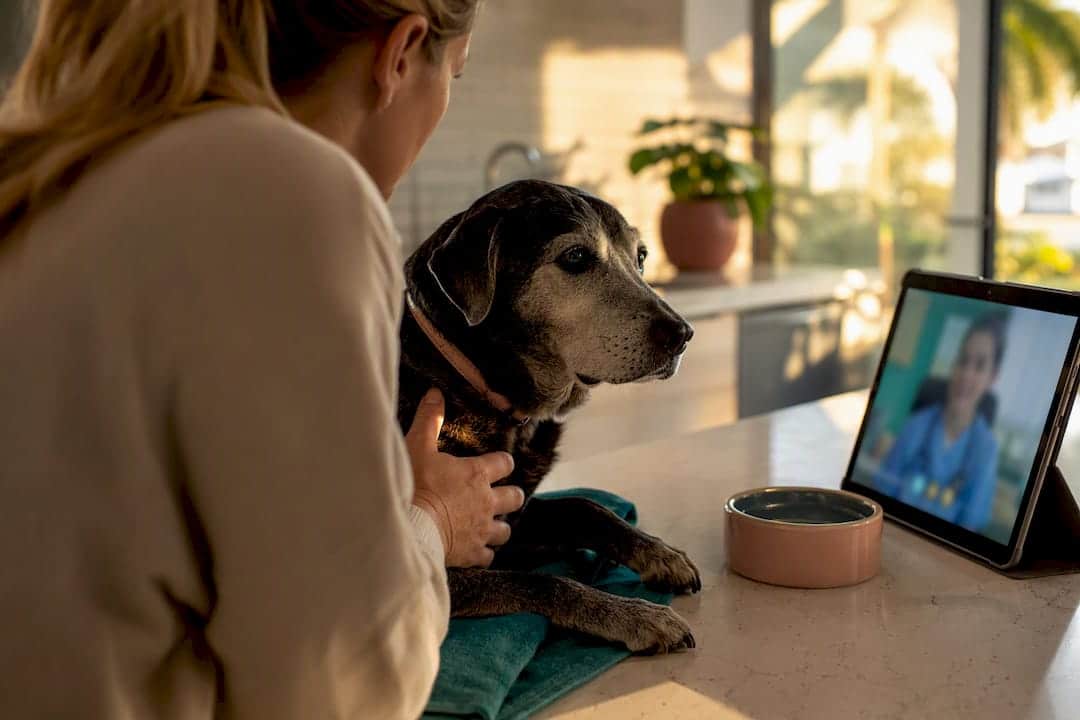
- Follow-up: Telemedicine check-ins between visits allow the practitioner to review your mobility log, adjust the herbal formula if needed, and answer questions without requiring another full visit.
Practical logistics:
The practitioner brings all equipment: needles, laser unit, Tui-na tools, and any prescribed herbal products. You provide a quiet room with enough floor space for your dog to lie comfortably. Minimizing other pets and household noise during the session helps your dog relax and respond better to treatment.
Pro Tip: In the 24 hours before a mobile visit, take a short video of your dog walking, rising from rest, and navigating stairs if applicable. This gives your practitioner a baseline to compare against over time, and it is far more informative than a verbal description of “he seems a little better.”
A perspective on what TCVM actually delivers for arthritic dogs
The most common misconception owners bring to a first TCVM consultation is that they are choosing between conventional medicine and something alternative. That framing misses the point entirely. The dogs who do best are the ones whose owners and veterinarians treat TCVM as a layer of the plan, not a replacement for it.
What tends to surprise owners most is how quickly some dogs respond to Tui-na and acupuncture, often within the first two or three sessions, before any herbal formula has had time to build. That early response is not placebo. It reflects real neuromodulation, real endorphin release, and real reduction in local inflammatory signaling. The herbs then sustain and deepen what the needles and hands start.
The cases where TCVM has the clearest impact are older dogs with chronic, stable osteoarthritis who have plateaued on NSAIDs, dogs who cannot tolerate NSAIDs due to GI or renal issues, and dogs whose owners want to reduce long-term pharmaceutical load while maintaining quality of life. TCVM is not the answer for acute joint infection, fracture, or rapidly progressive neurologic disease. Knowing that boundary is part of what makes integrative care trustworthy rather than wishful.
Safety monitoring is not optional in this work. Baseline bloodwork before herbs, regular rechecks, and open communication with the primary vet are non-negotiable. At Pet Acupuncture & Wellness, that coordination is built into every treatment plan, because a dog’s comfort and safety are the whole point.
Mobile TCVM care for your arthritic dog in South Tampa
For dog owners in South Tampa, Pet Acupuncture & Wellness brings the full integrative toolkit directly to your home. Mobile acupuncture (including electroacupuncture and laser acupuncture), Tui-na, herbal therapy, and rehabilitation are all available as part of individualized treatment plans designed around your dog’s TCVM pattern and Western diagnosis. There is no waiting room, no car ride, and no clinic anxiety, just your dog in their own space, receiving care calibrated to their specific needs.
Telemedicine follow-ups keep the plan on track between visits, and every herbal prescription comes with clear safety guidance and coordination with your primary vet. If your dog’s primary veterinarian wants to refer directly, the vet referral page makes that straightforward. To book a mobile visit or ask whether your dog is a good candidate for integrative TCVM care, visit the South Tampa dog acupuncture service page and request a consultation.
Sources
The following sources form the primary evidence base for this article and are worth reading directly if you want to evaluate the research yourself.
- Efficacy of Tui‑na Massage in Combination with Conventional Medication for Treatment of Canine Osteoarthritis: A Randomized Controlled Clinical Trial
- Evaluation of Terminalia chebula Extract for Anti-Arthritic Efficacy and Safety in Osteoarthritic Dogs
- Laser acupuncture effects on chronic pain, inflammatory response, and biochemical and oxidative stress markers in osteoarthritic dogs: randomized controlled trial (PubMed record)
- Efficacy of Tui‑na for Treatment of Osteoarthritis: A Systematic Review and Meta-analysis
This article is general information, not a substitute for advice from a qualified doctor. Consult a qualified healthcare professional about your own circumstances before acting on anything here.
FAQ
Can TCVM replace my dog’s arthritis medications?
TCVM works best alongside conventional medications, not instead of them. Evidence consistently shows that integrative approaches outperform either TCVM or conventional care alone, and any reduction in medication should happen gradually under veterinary supervision.
What are the best supplements for dogs with arthritis?
Omega-3 fatty acids (EPA and DHA from marine sources) and chondroitin sulfate have the most consistent evidence among joint supplements. Terminalia chebula extract showed approximately 81–84% pain reduction in a 150-day clinical trial and is worth discussing with a TCVM practitioner.
Is it possible to reverse arthritis in dogs?
Structural osteoarthritis cannot be reversed with any current treatment, including TCVM. What integrative care can do is significantly reduce pain, improve range of motion and quality of life, and slow functional decline, which is a meaningful and achievable goal for most arthritic dogs.
What is the most effective approach to managing arthritis pain in dogs?
Multimodal pain management, combining conventional medications with acupuncture, Tui-na, weight management, and targeted nutraceuticals, consistently outperforms single-modality approaches. The pain relief guide for senior dogs covers how these layers fit together in a practical plan.
How do I find a qualified TCVM vet for my dog?
Look for a veterinarian holding a CVA (from the Chi Institute or IVAS), MS-TCVM, or DACVSMR credential. Ask whether they will coordinate with your primary vet and require baseline bloodwork before prescribing herbs. Pet Acupuncture & Wellness offers credentialed mobile TCVM care in South Tampa for dogs who benefit from in-home treatment.