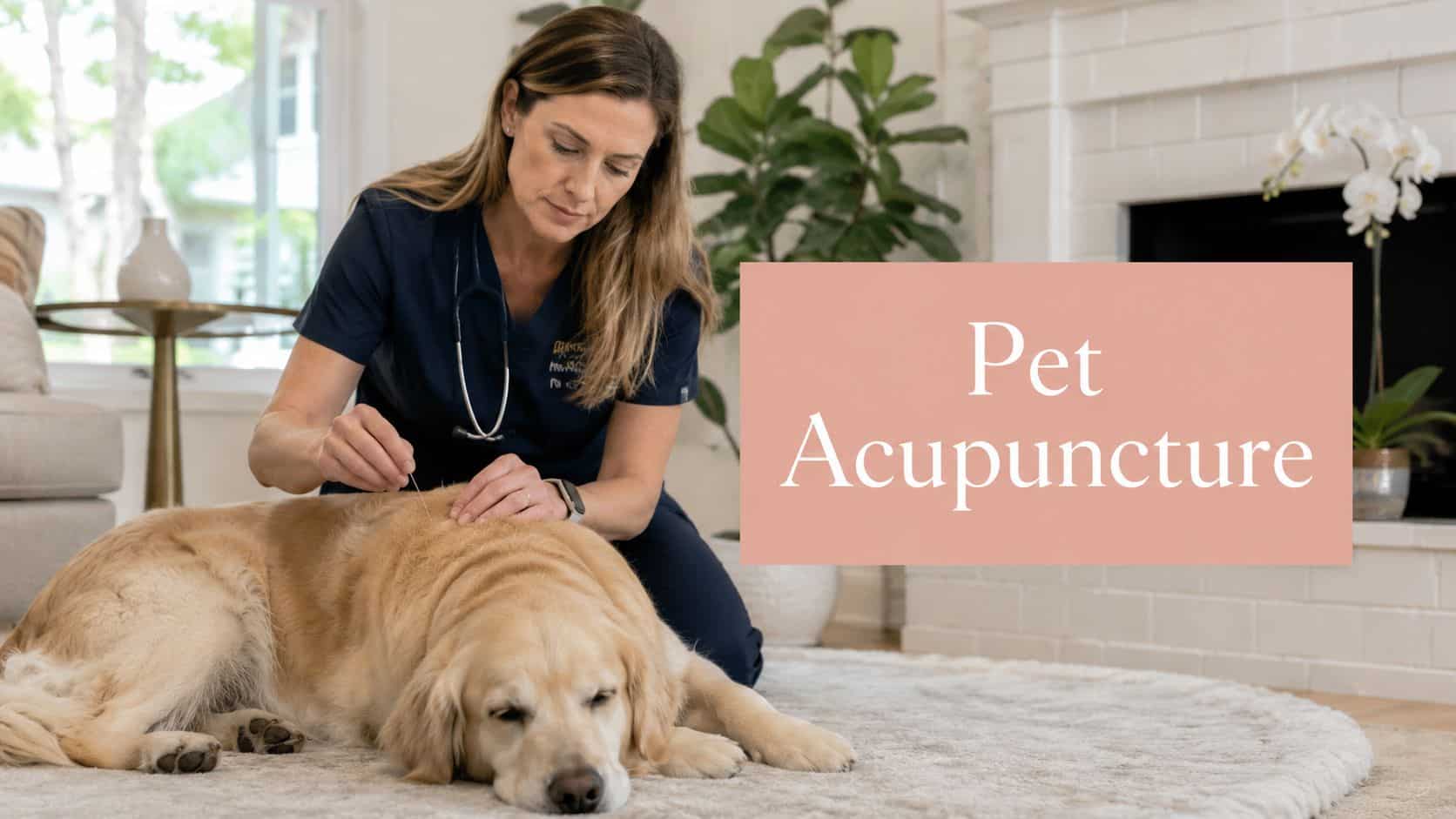
When your dog starts hesitating before jumping onto the couch, or your cat no longer curls up in her usual window perch, you notice. Sometimes the change is obvious. Sometimes it's just a slower walk to the food bowl, less interest in stairs, or a look in the eyes that says something hurts.
That's when many pet owners start asking about acupuncture. They want something gentle, practical, and safe to add to the plan their pet already has. Then the next question comes fast. How many acupuncture sessions will my pet need?
The honest answer is that there usually isn't one fixed number. A good treatment plan depends on what your pet is dealing with, how long it's been going on, how severe it is, and how your pet responds over time. For dogs and cats in South Tampa, in-home veterinary acupuncture can make that process easier because we can assess comfort, mobility, stress, and daily habits where your pet lives.
Determining the Right Number of Acupuncture Sessions
If you're reading this now, your pet is probably slowing down in a way that doesn't feel normal. Maybe your senior dog is stiff after naps. Maybe your cat has become quieter, less social, or reluctant to jump. Those changes often send owners looking for answers that don't rely on a single medication or a rushed clinic visit.

Acupuncture can be part of that answer, but it helps to start with the right expectations. Most pets don't come in needing “one treatment.” They need a course of care. In practice, that usually means an initial phase where sessions are closer together, followed by a taper if your pet starts moving better, resting more comfortably, or showing less pain between visits.
Here's the basic way it works:
- Acute problems may improve with a shorter series if the issue is recent and the body has good healing momentum.
- Chronic problems usually need more structure because pain patterns, muscle guarding, and compensation have had time to settle in.
- Maintenance care may still matter after the main problem improves, especially for arthritis, neurologic weakness, or recurring flare-ups.
Owners also weigh cost and convenience, especially with house-call care. If that's part of your decision, this guide to dog acupuncture cost can help you think through the practical side along with the medical one.
Practical rule: The right answer to how many acupuncture sessions your pet needs is usually a phased plan, not a single visit count.
For pets in the South Tampa area, that plan should fit real life. It should work with your home routine, your pet's temperament, and the guidance of your regular veterinarian.
Understanding the Cumulative Effect of Acupuncture
Acupuncture works more like rehabilitation than like flipping a switch. That's the mindset that helps most pet owners make sense of treatment length.
A single session can sometimes help a pet relax, move a little easier, or sleep more soundly that night. But lasting improvement usually comes from repeated, consistent treatment. Each visit builds on the last one. That cumulative pattern is one reason acupuncture has become so widely accepted. It's now used in 103 of 129 countries that reported data to the World Health Organization, and its use among U.S. adults increased from 1.0% in 2002 to 2.2% in 2022, according to the National Center for Complementary and Integrative Health overview of acupuncture effectiveness and safety.

Why Repetition Matters
Think about physical therapy. One stretching session doesn't rebuild strength or improve joint function by itself. The body responds to steady input over time. Acupuncture is similar. It supports the nervous system, influences pain signaling, and encourages the body to shift out of a guarded, irritated pattern.
That matters in pets because they often hide discomfort until the problem has been present for a while. By the time owners notice limping, slowing down, postural changes, or reluctance to move, the pet may already be compensating in multiple areas.
What Owners Usually Notice First
The first signs of progress aren't always dramatic. More often, they're subtle:
- Better transitions like rising from bed with less hesitation
- Improved recovery after walks, play, or stairs
- Calmer behavior because constant low-grade pain isn't draining energy
- Improved daily comfort such as better sleep or easier positioning
Many owners exploring the benefits of acupuncture for dogs in South Tampa, Florida expect a direct before-and-after moment. Sometimes that happens. More often, they realize a few weeks in that their pet is asking to go outside more, pacing less, or joining family activity again.
Acupuncture usually works best when you judge the trend across several visits, not the reaction to a single day.
What Doesn't Work Well
A stop-and-start schedule usually doesn't give the body enough consistency. One visit, then a long gap, then another visit, often leads to mixed results and frustration. When owners ask how many acupuncture sessions are needed, they're often really asking how to give the treatment a fair chance. The answer is consistency first, then reassessment.
Key Factors Influencing Your Pet's Treatment Plan
No veterinarian should promise the same acupuncture schedule for every dog or cat. The number of visits and the frequency of visits both matter. For chronic pain, research suggests that a higher initial treatment frequency, such as 2 sessions per week, can improve outcomes, and many chronic conditions may require 8 to 12 or more sessions before tapering to maintenance, as discussed in this review on acupuncture dose and frequency for chronic pain.
Acute Problems and Chronic Problems Aren't Managed the Same Way
A pet with a recent strain, a flare-up after activity, or post-procedure soreness often has a different timeline than a pet with long-standing arthritis or chronic neurologic weakness.
With an acute problem, the body may respond faster because the issue is newer and compensation patterns are less entrenched. With a chronic problem, I usually think in phases. The first phase is about gaining momentum. The second is about stabilizing gains. The third is about maintaining function and reducing backsliding.
That's why owners of arthritic pets often hear a recommendation for more frequent early sessions. It isn't overservicing. It's trying to create enough treatment density to change a persistent pattern.
Severity and Symptom Duration Matter
A pet who's just a little stiff in the morning and still eager to move may need a different plan than a pet who:
- Struggles with basic transitions like standing, sitting, or squatting
- Avoids normal activities such as stairs, jumping, or neighborhood walks
- Has pain that has lingered for months or longer
- Shows compensation through muscle loss, hunched posture, or shifting weight
The longer discomfort has been present, the more carefully I set expectations. Early improvement can happen, but severe or long-standing cases often need a steadier build.
Clinical reality: Chronic pain usually responds better to a structured front-loaded schedule than to occasional “as needed” sessions.
Age, Resilience, and Whole-Body Health Change the Pace
Age alone doesn't determine the plan, but it does influence recovery. A very fit older dog may handle a condition better than a younger pet with multiple medical issues. Cats also vary widely. Some senior cats respond beautifully once treatment starts, especially when pain relief helps them resume normal grooming, eating, and movement.
Other pieces matter too:
- Overall vitality
- Existing neurologic or orthopedic disease
- Muscle condition and body weight
- Stress level during handling
- Home footing, stairs, and daily routine
A mobile, in-home visit can be especially useful here because the home itself often explains part of the problem. Slippery floors, steep furniture access, and difficult layouts can keep a pet from holding onto gains between sessions.
Other Treatments Can Help or Complicate the Picture
Acupuncture rarely exists in a vacuum. Many pets are already taking pain medication, using joint supplements, doing rehab exercises, or recovering under a surgeon's plan. That's normal. In fact, it's often ideal.
At PAW Vet Practice's veterinary acupuncture service and certification background page, you can see that the approach is built around integrative care rather than a one-tool mindset. In practical terms, that means acupuncture is often paired with medication review, rehab guidance, laser therapy, home modifications, or Chinese medicine recommendations when appropriate.
What usually doesn't work is changing too many variables at once without tracking the response. If a pet starts acupuncture, a new pain medication, and a new exercise plan all in the same week, it becomes harder to tell what's helping and what needs adjustment.
Sample Treatment Timelines for Dogs and Cats
Pet owners usually find timelines easier to understand when they can picture a real-life path. These examples are hypothetical, but they reflect the way phased treatment plans are commonly built.
A common clinical pattern starts with appointments once or twice a week for 6 to 12 weeks, and many veterinarians advise giving therapy at least five treatments before deciding how well it's helping, as described in this overview of typical acupuncture session frequency.

Older Dog With Chronic Arthritis
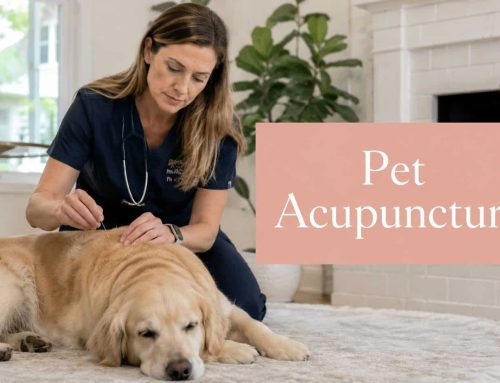
An older Golden Retriever with hip arthritis often needs an initial push. If he's stiff daily, slower on walks, and struggling after rest, I'd usually expect a more active opening phase.
That often looks like this:
- Early phase with closely spaced sessions to reduce pain and improve mobility momentum.
- Middle phase with weekly visits as the dog begins holding improvement longer.
- Maintenance phase with more time between sessions once comfort becomes steadier.
Owners often notice the first meaningful changes in daily function before they notice dramatic gait changes. The dog gets up more willingly, repositions less overnight, or wants to join the family in the next room again.
Younger Cat Recovering From Surgery
A younger cat recovering from orthopedic surgery may need a different style of plan. The goal is often to support comfort, reduce guarding, and help the cat return to normal movement without overloading healing tissues.
This kind of case can involve a shorter but still structured series, especially when acupuncture is combined with careful home management and rehab. Many cats tolerate in-home care better than clinic transport, which can make consistency easier.
Some owners also combine the plan with guided rehabilitation exercises for cats and dogs so the acupuncture sessions and the home routine reinforce each other.
A timeline is a draft, not a contract. Good plans change when the pet's response tells you they should.
What These Examples Have In Common
The dog and cat above don't need the same number of visits, but they do need the same approach. Start with a reasoned plan. Watch the response. Adjust based on what the pet is showing you, not on wishful thinking or a generic package.
What to Expect During and After Each Appointment
For many pets, the home setting changes everything. They're not bracing in a lobby, reacting to unfamiliar smells, or tensing up from the car ride before the appointment even begins. That matters because a relaxed patient gives better information and often tolerates treatment more comfortably.

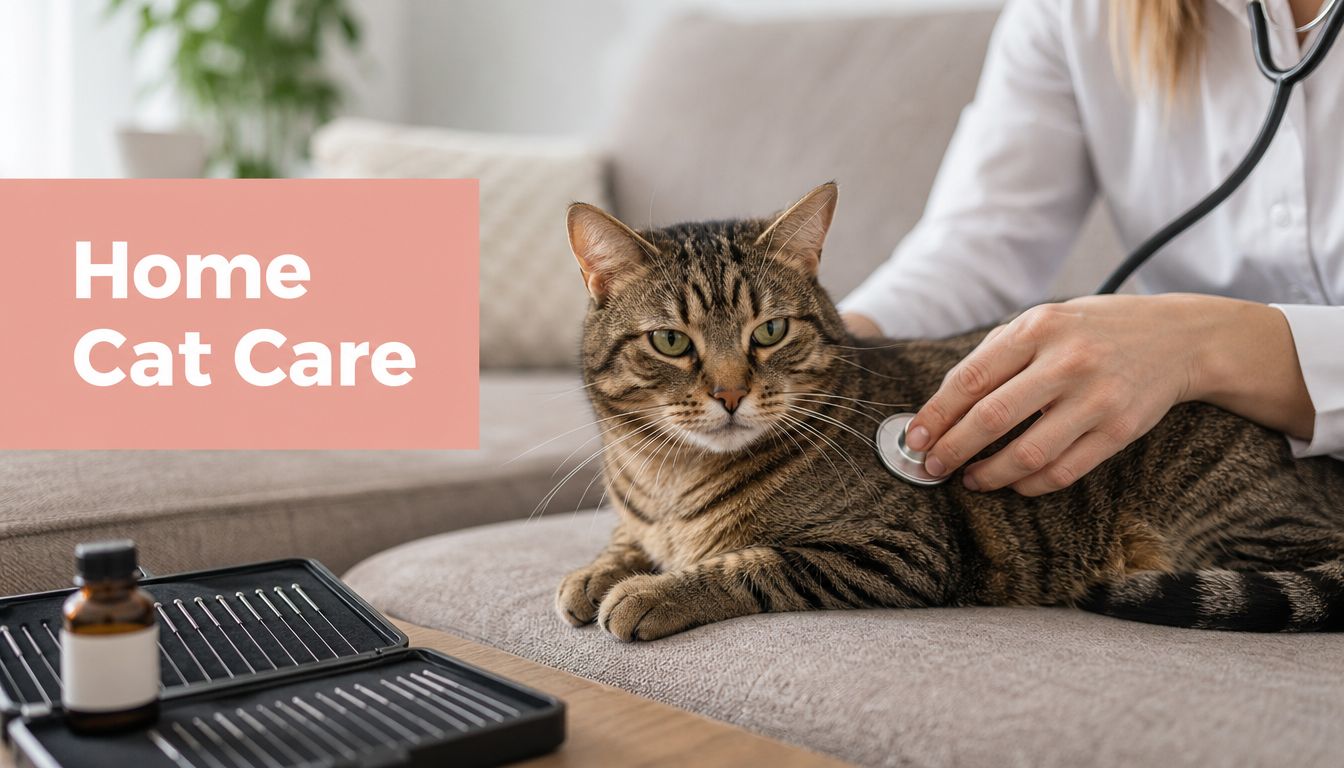
If you're looking for pet acupuncture near me in South Tampa, the visit usually starts with observation before needles are even placed. I want to see how your pet walks, sits, lies down, turns, and responds to touch in the home environment. In Chinese medicine, the exam may also include tongue and pulse assessment along with a review of appetite, sleep, stool quality, behavior, and temperature preferences.
During The Appointment
Once the plan is set, the needles are placed gently and strategically. Some pets barely notice. Some turn and look once, then settle. Some dogs get sleepy very quickly. Many cats relax more than their owners expect.
A typical visit often includes:
- Assessment first so the treatment reflects today's symptoms, not last week's
- Calm needle placement with breaks if your pet needs them
- Quiet resting time while the points do their work
- Adjustments in positioning using blankets, beds, rugs, or a favorite resting spot
The first session is often the longest because history, exam findings, and coordination take time. Later sessions are usually more focused.
Here's a short look at the process in action:
After The Appointment
Some pets seem better the same day. Others are sleepy and quiet first, then more comfortable the next day. A few show little obvious change after the first visit, then start showing a pattern after several treatments.
What I ask owners to watch for is function, not just excitement. Useful signs include:
- Easier movement getting up, lying down, or turning
- Brighter engagement with family, toys, or food
- Better tolerance for walks, stairs, or litter box posture
- Less guarding when touched in painful areas
Don't judge a session only by what happens in the first hour. Watch the next few days.
What Doesn't Mean Treatment Failed
Temporary sleepiness, a very relaxed day, or subtle change doesn't mean nothing happened. It means you're looking at a living nervous system, not a machine. The key question is whether the overall pattern is moving in the right direction as treatment accumulates.
Long-Term Wellness From Maintenance to Vet Coordination
Some pets improve enough that owners assume they're done forever. Sometimes that's true. Often, especially with arthritis or chronic neurologic issues, it's more realistic to think in terms of maintenance.
Mainstream clinical guidance notes that once symptoms improve and stabilize, many patients transition to less frequent sessions such as monthly or seasonally, with the goal of maintaining gains and managing chronic conditions long-term, as explained in the Cleveland Clinic acupuncture overview.
When Maintenance Makes Sense
Maintenance isn't about creating endless appointments. It's about protecting progress that took time to build. A senior dog with arthritis may move beautifully after the corrective phase, then gradually stiffen if treatment stops entirely. A cat with chronic back pain may stay comfortable longer with periodic support than with a wait-until-things-get-bad approach.
Common reasons to continue with spaced-out care include:
- Recurring flare-ups after activity or weather changes
- Progressive conditions where comfort needs active support
- Medication reduction goals that require careful balance
- Quality-of-life support for aging pets who do best with steady management
Coordination With Your Primary Veterinarian
Acupuncture should complement your pet's regular veterinary care, not replace it. That matters even more in mobile practice, where the house-call veterinarian may be addressing pain, mobility, or recovery support while the primary veterinarian manages core diagnostics, prescriptions, surgery follow-up, and preventive care.
Good coordination helps everyone. Your pet's primary vet may provide imaging results, orthopedic findings, lab work, or medication plans that sharpen the acupuncture strategy. In return, the acupuncture veterinarian can report response trends, mobility changes, and home-function observations that are hard to capture in a brief clinic visit.
The best long-term plans are collaborative. They respect what each part of veterinary medicine does well and keep the pet at the center of every decision.
Frequently Asked Questions About Pet Acupuncture
Does Acupuncture Hurt My Pet, And What If They Are Anxious
Most pets tolerate acupuncture very well. The needles are very fine, and the reaction is usually brief if there is one at all. Many pets become visibly calmer during treatment, especially in their own home where they already feel secure.
For anxious pets, pacing matters. I often start by letting the pet settle, choosing a familiar resting spot, and using the least stressful position possible. Some pets do best with only a few needles at first. That's fine. The goal isn't to force a textbook session. The goal is to create a treatment your pet can accept.
How Quickly Will I See Results
It depends on the condition. Acute issues may show improvement sooner. Chronic issues usually need patience and consistency. The most useful way to judge progress is to look for changes in mobility, comfort, sleep, appetite, posture, and willingness to do normal activities.
If you're asking how many acupuncture sessions are enough before deciding whether it's helping, I usually encourage owners to think in terms of a short series rather than a single appointment. That gives the treatment a fair trial and gives us real information to work with.
If your pet's condition is chronic, look for a trend across several visits, not a miracle after one.
Can Acupuncture Be Combined With My Pet's Current Medications
In many cases, yes. Acupuncture is often used alongside pain medications, post-surgical plans, rehabilitation, laser therapy, and other supportive treatments. What matters is coordination. Your veterinary team should know everything your pet is receiving so the plan stays coherent and safe.
Bring a current medication list to the appointment, including supplements and any recent changes. That helps the veterinarian decide what's likely helping, what may be causing side effects, and how to judge progress accurately.
Is Pet Insurance Likely To Cover It
Coverage depends on your insurer and your specific policy. Some plans may include acupuncture or rehabilitation-related care, while others may exclude it or require specific documentation. Coverage rules can also differ depending on whether the treatment is tied to an injury, surgery recovery, or chronic condition.
The simplest approach is to call your insurer before starting and ask:
- Whether acupuncture is a covered benefit
- Whether a referral or diagnosis is required
- How claims should be submitted
- Whether there are limits on visit frequency or reimbursement
Ask for those details in writing if possible. It saves confusion later.
When Should I Stop Treatment
There isn't a universal stopping point. Some pets complete an initial series and no longer need regular visits. Others do well with occasional booster sessions. Chronic conditions often improve, then need periodic support to stay stable.
I usually think about stopping or tapering when the pet is holding gains well between visits, daily function is stable, and the owner isn't seeing regression as the interval widens. If symptoms return quickly when sessions are spaced out, that usually tells us the pet still benefits from maintenance.
If your dog or cat is slowing down, recovering from injury, or dealing with ongoing pain, Pet Acupuncture & Wellness (PAW Vet Practice) provides mobile integrative veterinary care in South Tampa. In-home acupuncture visits are designed to fit your pet's comfort level, daily routine, and coordination with your primary veterinarian so the treatment plan is practical as well as compassionate.