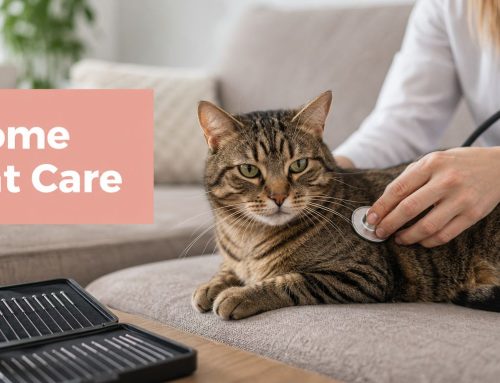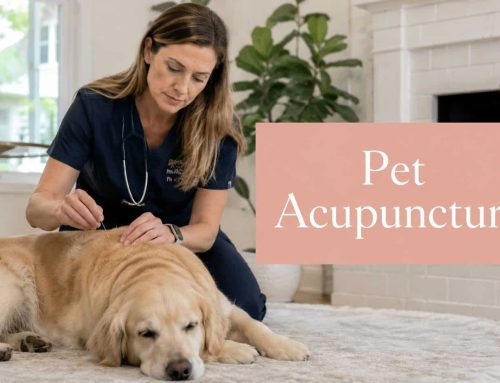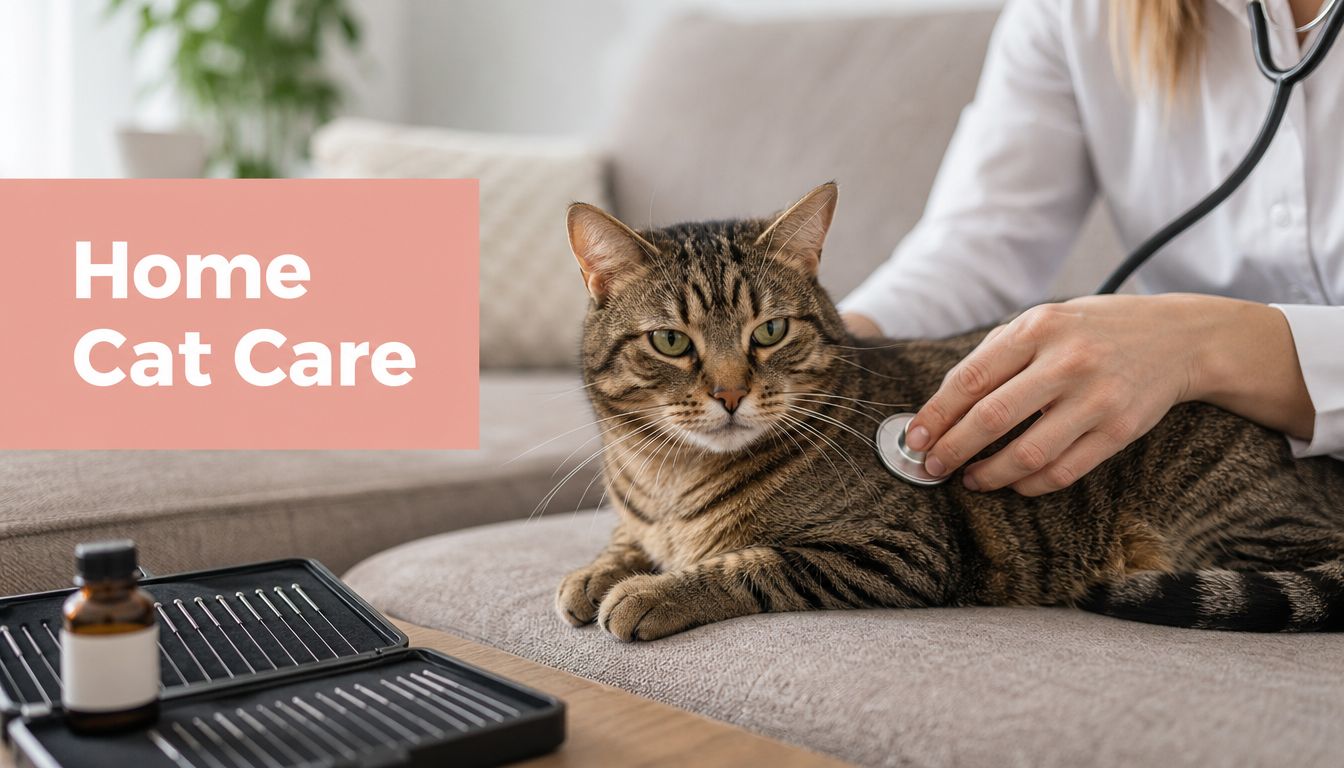
You may be here because your cat isn't acting like herself, but you can't point to one dramatic symptom. She's still eating, mostly. She still uses the litter box, usually. But she doesn't jump to the windowsill as often, she's grooming less, or she seems annoyed when you touch her back. That pattern matters.
Cats rarely make pain obvious. By the time many owners search for cat pain relief, they've already spent days or weeks second-guessing what they're seeing. In practice, that hesitation is understandable. Feline pain often shows up as quieter behavior, less movement, or a subtle change in routine, not a clear cry for help.
For families in South Tampa, one more factor often complicates things. Some cats become so stressed by car rides and clinic visits that the process of getting care adds another layer of strain. That's one reason modern pain management has moved away from the idea of a single “safe pain medicine” and toward a more complete, lower-stress plan.
Why Cat Pain Is So Hard to See
Cats are experts at hiding discomfort. That isn't stubbornness or drama. It's part of how they survive. A painful cat may try to look normal for as long as possible, which means owners often notice behavior changes before they notice anything that looks like pain.
A cat with arthritis may stop jumping and spend more time on the floor. A cat with dental pain may approach food, seem interested, then walk away. A cat with back pain may sleep more, resist being picked up, or stop grooming hard-to-reach areas. None of those signs scream “emergency,” but together they create a pattern.
Why Owners Often Search for The Wrong Solution
Many people want one clear answer. They want a single safe medication they can give at home whenever their cat seems sore. The problem is that feline pain usually doesn't work that way.
Authoritative veterinary guidance emphasizes that cats need a multimodal plan, not a generic home remedy, and that human pain medications should never be given to cats. Even veterinary NSAID use is condition-specific and duration-specific rather than something owners should treat as routine home care, as summarized in this evidence-based review of feline pain management.
Practical rule: If you're asking whether the same pain reliever a person takes is safe for your cat, the answer is no unless your veterinarian specifically prescribed it for that cat.
That shift in thinking matters. Good cat pain relief often combines medication, careful observation, environmental changes, and in some cases integrative therapies such as acupuncture or laser therapy. The goal isn't just to mute symptoms. It's to improve function, comfort, sleep, grooming, appetite, and daily movement.
Pain Looks Different Depending on The Cause
Pain from surgery, arthritis, dental disease, injury, nerve irritation, or constipation won't look the same. It also won't respond to the same treatment in every cat. A medication that helps after a procedure may not be the right long-term answer for chronic joint pain. A cat who can't tolerate oral medication may need a different approach than one who takes medicine easily.
That's why a thoughtful plan beats a “magic bullet” every time. When owners understand that, they stop feeling like they've failed to find the right product and start focusing on the right questions:
- What kind of pain is this
- How severe is it
- How long has it been happening
- What can my cat tolerate without extra stress
- What changes at home would make daily life easier
Those questions lead to safer and more useful decisions than chasing one all-purpose painkiller ever will.
How to Recognize the Signs of Pain in Your Cat
The most useful way to spot pain is to compare your cat to her own normal. Some painful cats hide. Others become clingier. Some stop jumping, while others still jump but land awkwardly or hesitate first. The key is change.
A visual summary can help you start noticing patterns:

Watch For Changes in Movement and Routine
Mobility changes are easy to miss because owners often interpret them as aging. A painful cat may still get around the house, but with more caution and less grace.
Look for signs like these:
- Jumping less often: Your cat stops using favorite high spots or looks up at them without making the jump.
- Stiff transitions: She rises slowly after resting or seems reluctant to use stairs.
- Altered litter box habits: She may avoid a high-sided box because stepping in hurts.
- Reduced grooming: Pain can make twisting, stretching, or balancing uncomfortable.
- Chewing or licking one area: Some cats focus on a sore spot rather than showing obvious lameness.
If you'd like a deeper look at subtle signs many owners miss, this guide on how not to miss the sign of pain in a senior dog or cat is a helpful companion.
Facial Expression Matters More Than Most Owners Realize
Veterinary pain assessment has improved because clinicians now use structured tools instead of relying only on guesswork. The 2022 AAHA Pain Management Guidelines highlight validated instruments for cats, including the Feline Grimace Scale, in this AAHA pain management guideline document.
That means your cat's face can tell you a lot. Watch for:
- Ears turned outward or flattened
- Eyes that look squinted or tense
- A tight muzzle
- Whiskers pulled forward or held stiffly
- A withdrawn, guarded expression
A cat doesn't have to cry out to be painful. Quiet withdrawal is often the louder signal.
Video examples can also make these signs easier to recognize in real life:
Keep A Simple Record
Owners are often the first and best observers. A short phone note is enough. Write down when you notice trouble jumping, hiding, reduced appetite, changes in grooming, or irritability with touch. A few photos or short videos can be even better, especially because some cats act very differently once they're in a clinic.
That kind of record helps your veterinarian tell the difference between a bad day, a developing chronic problem, and something that needs urgent attention.
Understanding Medical Pain Relief Options
Medication often plays an important role in cat pain relief, but cats aren't small dogs and they aren't tiny humans. Their metabolism, drug tolerance, and approved options are more limited. That's why prescriptions for feline pain need to be deliberate and closely supervised.
NSAIDs Have A Narrower Role in Cats
Many owners are surprised to learn how restricted this category is. The FDA has approved only two NSAIDs for cats in the United States: meloxicam and robenacoxib, with strict limits on how they're used, as outlined in this feline NSAID safety summary.
The practical takeaway is important:
- Meloxicam: Approved only as a one-time injection before surgery
- Robenacoxib: Approved for once-daily use for no more than three days after spaying, neutering, or orthopedic surgery
- Repeated meloxicam dosing: The FDA warns it can cause kidney failure or death
- More than three doses of robenacoxib: Haven't been shown to be safe in cats
This is one reason chronic pain treatment in cats usually can't rely on repeated NSAID dosing alone.
Other Medications Fill Different Roles
Veterinarians often choose medications based on the type of pain involved. In real life, that usually means matching the drug to the problem instead of reaching for one standard option.
Common examples include:
- Buprenorphine: Often used for moderate to severe pain, including acute pain
- Gabapentin: Commonly used as an adjunct for nerve-related pain, and also used widely in cats for anxiety and handling stress
- Frunevetmab (Solensia): FDA approved for cats in 2022 as a first-choice treatment option for feline arthritis, as noted in the earlier AAHA guideline discussion
For owners trying to make sense of medication choices, this overview of traditional pet medications in Tampa can help frame what different prescriptions are trying to accomplish.
Medication works best when the diagnosis is clear. Treating “pain” without knowing whether it's dental, orthopedic, neurologic, or postoperative often leads to frustration.
What Doesn't Work Safely
Human pain relievers are not a safe shortcut. Owners sometimes reach for medicine cabinets because the cat seems uncomfortable and the appointment isn't until tomorrow. That's where serious toxicity happens.
Over-the-counter human options aren't a substitute for veterinary care. Neither are leftover medications from another pet. The safer path is to ask what pain type you're dealing with, what the treatment window is, and what monitoring your cat needs while on medication.
The right prescription can make a dramatic difference. The wrong one can make a painful cat much sicker.
The Role of Integrative and In-Home Therapies
For many cats, especially those with arthritis, mobility decline, or chronic pain, the best plan includes more than medication. Integrative care has moved into the mainstream of pain management because it can support comfort, function, and day-to-day mobility without asking every cat to tolerate more pills.

Recent educational coverage highlights growing interest in acupuncture, laser therapy, and newer treatments such as frunevetmab (Solensia) as part of a modern multimodal plan for chronic conditions like arthritis, as discussed in this PetMD overview of cat pain options.
Why These Therapies Matter
Integrative therapies aren't just “extras” for owners who want to do more. In the right patient, they're part of the core plan.
A few common examples:
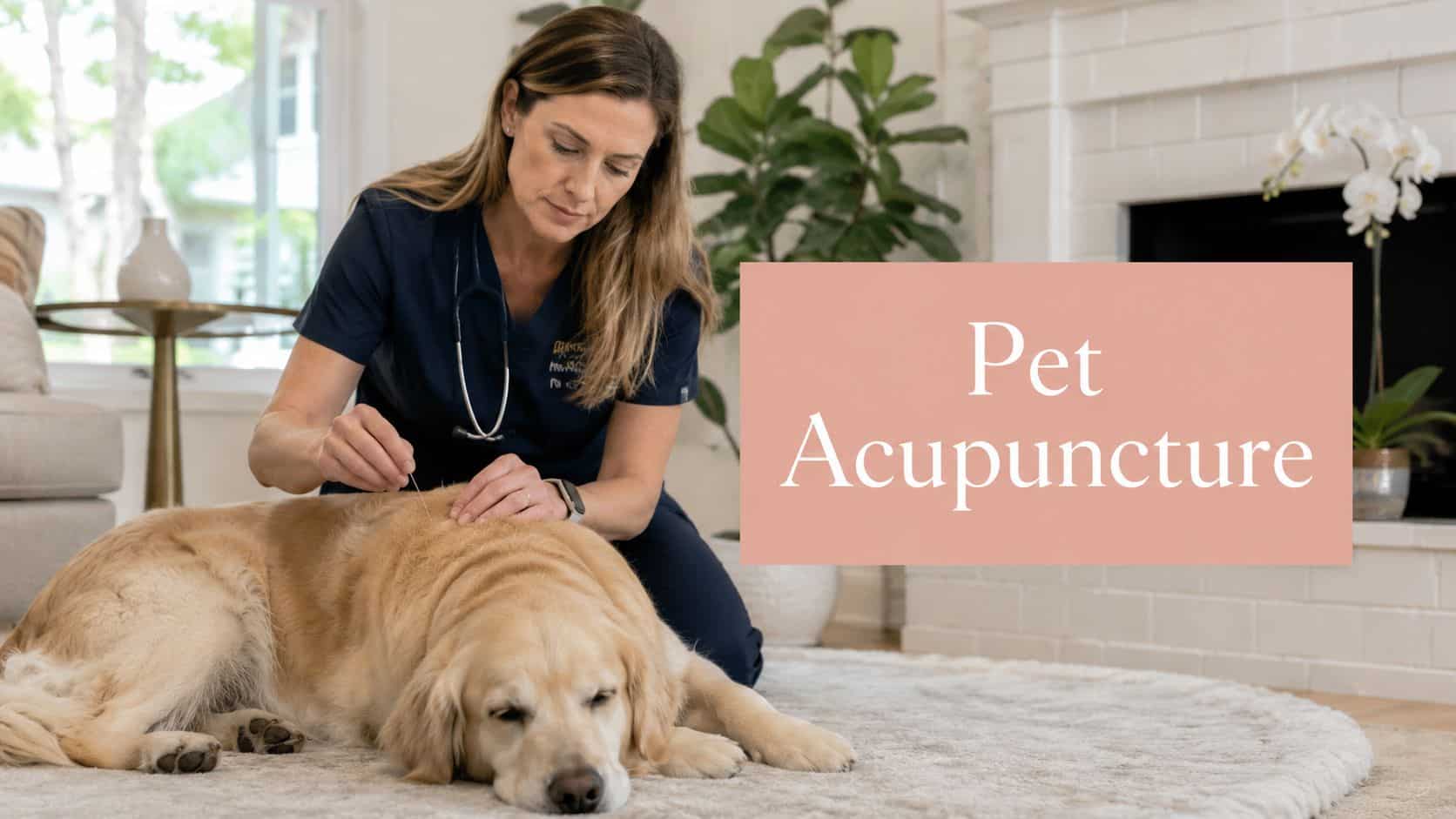
- Acupuncture: Often used to support pain control, mobility, and relaxation in cats with chronic musculoskeletal issues.
- Laser therapy: Commonly used to support comfort in painful tissues and to complement rehabilitation plans.
- Rehabilitation and guided home exercise: Useful when a cat has deconditioned muscles, altered gait, or reduced confidence with movement.
- Environmental modification: Essential for cats whose pain worsens when they have to climb, jump, brace, or twist.
Why Home Visits Can Change The Whole Experience
Cats don't separate medical care from stress the way people do. If a clinic visit means a carrier fight, a car ride, barking dogs, and hours of hiding afterward, the stress can interfere with both assessment and treatment.
That's why in-home services can be so useful for South Tampa families dealing with chronic pain. In a familiar environment, you can often observe the cat's natural behavior. How she gets onto the couch. Whether she avoids a certain hallway rug. How she uses the litter box. Whether she hesitates before turning, crouching, or climbing.
Pet owners in South Tampa sometimes use integrative veterinary care through mobile services such as Pet Acupuncture & Wellness (PAW Vet Practice) when they want acupuncture, laser therapy, rehabilitation support, or home-based pain planning that complements their primary veterinarian's medical workup.
Some cats who resist treatment in a clinic will accept remarkably gentle care at home because the environment isn't fighting them every step of the way.
Where Integrative Care Fits Best
These therapies are especially worth discussing when:
- Your cat hates travel: Stress makes every appointment harder.
- Pain is chronic: Arthritis and long-term mobility issues often need ongoing management.
- Medication options are limited: Because of side effects, comorbidities, or difficulty giving pills.
- You want better daily function: Not just less obvious discomfort, but easier walking, grooming, resting, and jumping.
Used thoughtfully, integrative care doesn't replace conventional medicine. It helps fill the gaps conventional medicine can't solve by itself.
Practical At-Home Management for Your Cat
You can improve a painful cat's day before any prescription changes. Home setup matters because cats repeat the same movements over and over. If getting to food, water, rest, or the litter box hurts, discomfort keeps building all day.
A quick checklist can make the first changes easier:

Start With Access, Not Activity
Owners sometimes focus first on getting the cat to move more. Usually, it's better to make movement easier.
Begin with the basics:
- Lower the physical demands: Use a low-sided litter box in a quiet, easy-to-reach spot.
- Shorten the distance to essentials: Keep food, water, bedding, and the litter box on the same level of the home when possible.
- Add traction: Slippery floors can make painful joints work harder.
- Create step-ups: Ramps, stools, or pet stairs can preserve favorite routines without repeated jumping.
If weight has become part of the problem, this article on the benefits of a healthy weight for cats and dogs is worth reading. Less excess weight means less daily strain on joints and less effort with basic movement.
Small Comfort Changes Often Have A Big Effect
Cats with pain often choose rest over effort. The more comfortable you make rest and routine, the more reserve they have for normal behavior.
Helpful adjustments include:
- Soft, supportive bedding: Place it where your cat already likes to rest, not where you wish she would rest.
- Warmth: Many sore cats prefer gently warm sleeping spots.
- Raised bowls when appropriate: Some cats seem more comfortable when they don't have to crouch as far.
- Easy grooming support: If your cat can't groom well, careful brushing can prevent coat matting and reduce discomfort.
Don't force exercise. Remove barriers first, then watch whether comfort improves naturally.
Keep The Home Predictable
Pain and stress often feed each other. Loud changes, competition with other pets, and repeated handling can make a painful cat shut down.
Try to protect these routines:
- Quiet sleeping areas
- Predictable feeding times
- Easy escape routes from children or other pets
- Gentle handling only, especially around the back, hips, and paws
The best home plan is the one your cat will use. Fancy equipment doesn't help if she avoids it.
When to Seek Urgent Veterinary Care
Most chronic pain problems develop gradually, but some signs mean you shouldn't wait and watch. Owners often worry about overreacting. In these situations, quick action is the safer choice.

Red Flags That Need Immediate Attention
Seek urgent veterinary care if your cat has any of the following:
- Can't stand or can't bear weight: Especially if this comes on suddenly.
- Labored or rapid breathing: Pain, trauma, or internal illness may be involved.
- Persistent distressed vocalizing: Loud crying, yowling, or ongoing signs of panic.
- Sudden hind limb weakness or paralysis: This can indicate a serious emergency.
- Repeated vomiting with lethargy or pain
- A swollen abdomen or obvious trauma
- Unable to urinate or repeatedly straining in the litter box
- Severe bleeding or an open wound
- Collapse, extreme weakness, or unresponsiveness
Situations Owners Commonly Underestimate
A few scenarios get minimized too often.
One is the cat who's hiding and won't come out, especially if that follows a fall, a jump gone wrong, or a day of obvious discomfort. Another is the cat who stops eating because chewing appears painful. Cats can't afford prolonged poor intake well, and pain that interferes with eating needs attention sooner rather than later.
This guide on pet quality of life can also help owners think more clearly when they're trying to judge whether their cat is coping or declining.
If your cat looks dramatically worse than yesterday, trust that change. Sudden decline matters, even when you can't name the cause.
Don't Medicate First and Decide Later
One of the riskiest responses to an urgent problem is trying an at-home medication before calling for help. That can delay diagnosis, worsen toxicity risk, and change what your veterinarian is able to see on exam.
If there's sudden inability to move, trouble breathing, severe distress, or urinary straining, don't wait to see whether your cat “sleeps it off.” Those are same-day concerns.
Building Your Cat's Pain Management Team
The best cat pain relief plan is usually a partnership. It starts with your observations at home, adds a medical diagnosis from your veterinarian, and then builds support around what your cat needs day to day.
What A Good Team Approach Looks Like
For many cats, the plan includes several layers working together:
- Your primary veterinarian: Diagnoses the cause, rules out urgent disease, prescribes medications, and monitors medical safety.
- You at home: Track behavior changes, appetite, mobility, grooming, and tolerance of treatment.
- Integrative support when appropriate: Adds options such as acupuncture, laser therapy, rehabilitation, and personalized home modification.
- Your home environment: Reduces the number of painful movements your cat has to make every day.
That combination is why multimodal care works so well in practice. It doesn't depend on one product doing everything.
Focus On Function, Not Just Symptoms
Owners often ask whether a treatment is “working.” The best answer usually comes from function. Is your cat grooming better. Reaching the litter box comfortably. Sleeping more peacefully. Moving with less hesitation. Rejoining family life.
Those are meaningful outcomes. They also help you and your veterinary team adjust the plan over time instead of guessing.
For South Tampa cat owners, this matters even more when clinic stress is part of the picture. A low-stress, in-home approach can make it easier to evaluate real movement, real habits, and real comfort in the setting where your cat lives every day.
A painful cat doesn't need you to be perfect. She needs you to notice the pattern, avoid unsafe shortcuts, and build the right support around her.
If your cat is slowing down, hiding discomfort, or struggling with mobility, Pet Acupuncture & Wellness (PAW Vet Practice) provides mobile integrative veterinary care in South Tampa that can complement your primary veterinarian's treatment plan with in-home acupuncture, laser therapy, rehabilitation support, and practical pain management guidance.