Your dog just had TPLO surgery, or you've scheduled it and your mind is already racing. You're wondering how you'll keep an active dog calm, how much limping is normal, whether the incision is healing correctly, and how to get through weeks of leash-only life without everyone in the house losing their minds.
That worry is reasonable. Dog TPLO recovery asks a lot from both the dog and the family. It's not only about bone healing. It's about pain control, safe movement, rebuilding strength, and helping a frustrated dog tolerate temporary restrictions without panic, pacing, or setbacks.
For families in South Tampa, this is often where at-home support matters most. A dog who's sore, anxious, and confined usually handles recovery better in familiar surroundings than in a stressful series of car rides and clinic visits. The best recoveries tend to come from steady routines, clear boundaries, and rehab that respects both the body and the nervous system.
Your Complete Guide to Dog TPLO Recovery
TPLO stands for Tibial Plateau Leveling Osteotomy. In simple terms, it's a surgery used to stabilize the knee after a cranial cruciate ligament injury. The procedure changes the angle of the top of the tibia so the knee can function more normally without depending on that damaged ligament in the same way.
That sounds technical, but the practical takeaway is encouraging. TPLO surgery has a consistently high success rate of 90% to 95%, with over 90% of dogs regaining normal limb function within one year and maintaining sustained mobility for years post-surgery, according to Animal Care Center's review of TPLO success rates.
What Recovery Really Requires
Many owners expect one hard week, then a quick return to normal. Recovery rarely works like that.
A good TPLO recovery usually depends on four things:
- Protection: The first phase is about preventing slips, zoomies, and incision problems.
- Pain control: A painful dog won't use the leg well and often becomes restless or reactive.
- Progressive rehab: Activity has to increase in a measured way, not based on how energetic your dog feels.
- Emotional support: Confinement changes behavior. Some dogs become clingy, vocal, or irritable.
Practical rule: If your dog feels better before the bone and muscles are ready, that's when many owners accidentally allow too much.
A Better Way To Think About The Timeline
The early goal is quiet healing. The middle goal is controlled use of the leg. The later goal is strength, coordination, and confidence.
That distinction matters because a dog can look brighter and happier long before the leg is ready for stairs, furniture, or sudden turns. Owners often mistake improved mood for structural readiness. They're not the same thing.
The rest of this guide walks through the recovery process the way I explain it to worried families. Keep your focus narrow. Today's job is today's job. When owners do that well, dogs usually recover with much less chaos.
Preparing Your Home for a Smooth Recovery
Set your house up before surgery day if you can. A calm recovery starts with good logistics, not last-minute improvising after your dog comes home groggy and sore.

Build A Recovery Zone
Choose one small, quiet area where your dog can rest without being exposed to slippery flooring or household traffic. For some dogs that's an exercise pen in the living room. For others it's a gated corner of a bedroom or family room.
What works best:
- Non-slip footing: Use yoga mats, runners, or rubber-backed rugs on tile or wood floors.
- Blocked stairs: Baby gates matter, even for dogs that usually “know better.”
- Low entry bed: Pick a supportive bed that doesn't require climbing or jumping.
- Dim, quiet space: Many dogs settle better when the environment feels den-like rather than busy.
A recovery zone should reduce decisions. Your dog shouldn't have opportunities to dart to the door, launch onto the couch, or scramble across slick floors.
Gather The Right Tools
You don't need a house full of gadgets, but a few items make a real difference.
Consider having these ready:
- A support sling or harness: Useful for bathroom trips and for dogs that are hesitant to bear weight.
- An E-collar or recovery suit: Preventing licking is one of the simplest ways to avoid incision trouble.
- Food and water bowls at easy height: Keep them close to the bed so your dog doesn't pace.
- Orthopedic bedding: Older dogs often rest better on thicker support surfaces.
- Rehab aids: If you want ideas, this guide to dog rehabilitation equipment covers practical home options.
Plan The Trip Home
The ride home after surgery deserves more thought than it commonly receives. A large dog may need help getting into the car. A small dog may still be drowsy enough to slump or wobble.
Use a flat loading approach if possible. Lift with support under both the chest and hindquarters, or use a ramp if your dog can manage it safely with assistance. Once in the vehicle, keep movement limited with a secure, padded space.
A short visual walk-through can help you think through setup details before day one:
Reduce Household Friction
Recovery goes better when the whole family follows the same rules. Decide in advance who gives medications, who does potty walks, and who keeps other pets from crowding the patient.
The smoothest recoveries usually come from homes that feel boring for a little while.
That may not sound glamorous, but boring is protective. Quiet floors, short leash trips, and predictable routines give the leg a chance to heal without needless setbacks.
The First Two Weeks Immediate Post-Op Care
The hardest part of early TPLO recovery is not the incision. It is the mismatch between how your dog feels and how much healing has happened. By day three or four, many dogs are brighter, more opinionated, and ready to resume normal life. The bone and soft tissues are not ready yet.
That gap creates stress for everyone in the house. Dogs can become restless, clingy, frustrated, or shut down. Owners often worry they are being too strict. During these first two weeks, strictness protects the repair, but comfort matters too. A dog that feels safer, calmer, and better supported usually rests better and heals more smoothly.

Defining Strict Rest
For this phase, your job is simple. Prevent sudden movement, protect the incision, and keep potty trips controlled and boring.
In practical terms, that means:
- No free roaming: No wandering through the house or casual time in the yard.
- No stairs or furniture: Jumping up or slipping down can strain the surgical leg.
- No rough greetings: Excitement leads to twisting, hopping, and lunging.
- No off-leash potty breaks: Use a leash every time, even in a fenced yard.
- No long outings: Trips outside are for elimination, then straight back to the recovery area.
Owners often struggle here because the dog looks emotionally miserable. I take that concern seriously. Confinement can raise stress, and stress changes pain tolerance, sleep, appetite, and cooperation. Early recovery goes better when we support the mind as deliberately as we support the knee.
Incision And Pain Monitoring
Check the incision once or twice a day in good light. Look for change over time.
Normal early findings can include mild swelling, bruising, and a small amount of redness right along the incision. Concerning signs include redness that spreads, worsening swelling, discharge, heat, odor, or any opening in the incision. Stop licking right away with the cone or other protective gear your surgeon recommended.
Pain is not always obvious. Some dogs pant, tremble, pace, resist lying down, or stop eating. Others become quiet, distant, or unusually reactive. If you want practical ways to improve comfort between rechecks, this guide to at-home dog pain relief covers options that can support your surgeon's medication plan.
Call your veterinarian if pain seems to be increasing instead of settling.
Helping An Anxious Dog Cope
A recovering dog is dealing with more than soreness. They have lost routine, freedom, and predictable body control. That can be unsettling, especially for active, vigilant, or naturally sensitive dogs.
A few home strategies make a real difference:
- Keep the day predictable: Use the same schedule for medications, meals, potty trips, and rest.
- Reduce visual and social stimulation: Limit doorbell chaos, window watching, and visits from energetic children or pets.
- Offer quiet enrichment: Food puzzles, lick mats, hand feeding, and calm chew options can lower frustration without increasing activity.
- Use touch based on your dog's preference: Some relax with gentle stroking or massage around non-surgical areas. Others settle better when left alone in a quiet space.
- Watch for emotional strain: Whining, panting, refusing confinement, and sudden irritability often reflect pain, stress, or both.
A restless post-op dog is usually telling you something useful. The message is often pain, anxiety, overstimulation, or the need to toilet, not stubbornness.
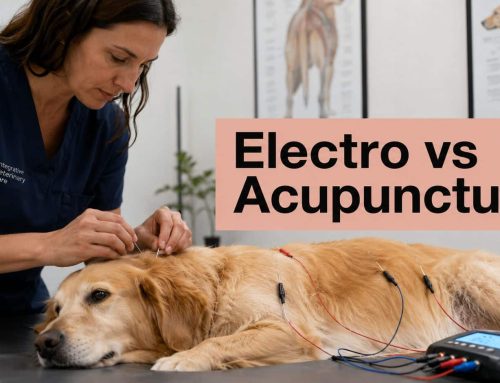
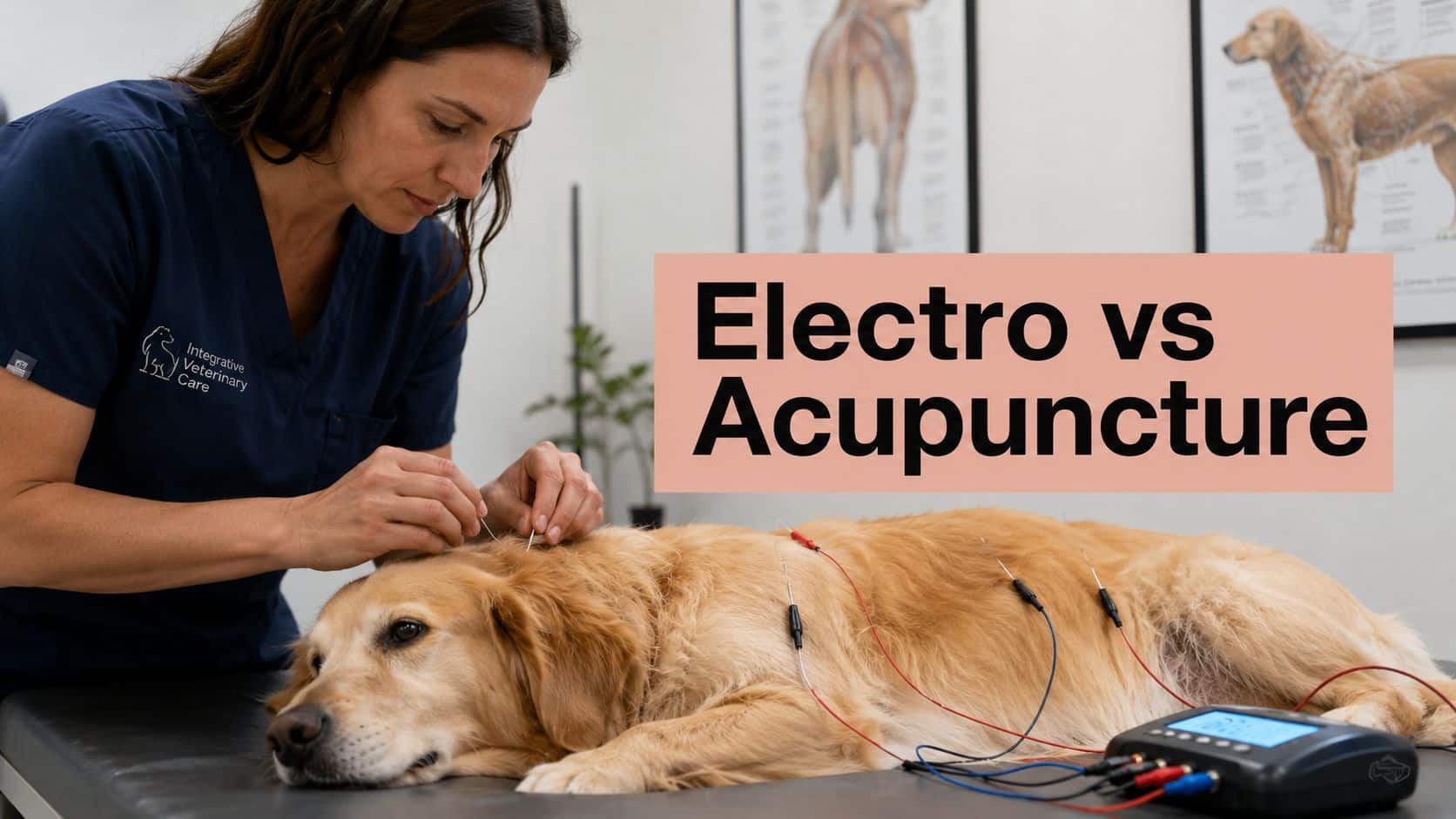
This is one reason I like integrative care early in recovery. Acupuncture and laser therapy can help reduce pain and inflammation, but they also tend to help dogs settle. That calmer state matters. Dogs that sleep, eat, and relax more consistently are often easier to manage through crate rest, and the whole recovery period feels less heavy for the family.
For some patients, the emotional piece is the rate-limiting step. The knee may be healing on schedule, but the dog is distressed enough to fight confinement, vocalize, or make unsafe movements. In those cases, combining medical pain control with behavioral support and gentle at-home or mobile therapies can improve both physical healing and day-to-day quality of life.
Weeks Two Through Eight A Gradual Return to Movement
Week two often brings a false sense of security. The incision looks better, your dog starts acting more like himself, and families naturally wonder if the hard part is over. In practice, this middle stretch is where I see some of the most preventable setbacks, because comfort usually returns before strength, coordination, and judgment do.

The goal from weeks two through eight is controlled, repeatable limb use. The healing bone and soft tissues respond well to steady loading. They do poorly with sudden twisting, indoor zoomies, slippery turns, or one overly ambitious walk because your dog seemed bright that morning.
Just as important, many dogs are emotionally struggling during this phase. They feel better, but they are still restricted. That mismatch creates frustration, barking, pacing, leash pulling, and impulsive movements that can set recovery back. Physical rehab works better when the dog is calm enough to participate. This is one reason I often pair activity plans with acupuncture, laser therapy, and simple behavioral support. A dog who is less painful and less agitated usually walks better, rests better, and heals with fewer rough days.
The Walking Progression
Walks should increase slowly and only if the gait stays clean. That usually means short leash walks on flat, secure footing at first, then gradual increases in duration over the following weeks.
A practical way to organize this stage:
-
Weeks 2 to 4
Keep walks brief, slow, and predictable. Straight lines are safest. Avoid long sniff sessions that lead to spinning, lunging, or abrupt pivots. -
Weeks 4 to 6
Add time gradually if your dog is placing the foot well and recovering comfortably afterward. Calm pacing matters more than distance. -
Weeks 6 to 8
Shift some of the focus from simple walking to movement quality. Controlled rehab drills often become more useful than just making the walk longer.
If your dog comes home from a walk more restless, more sore, or less willing to bear weight later that day, the plan was too much. That does not mean recovery is off track. It means the current dose of activity needs adjustment.
Useful Early Rehab At Home
The best home exercises in this window look unimpressive. That is usually a good sign. Good rehab is controlled, specific, and boring enough that the dog stays organized.
With veterinary clearance, useful options often include:
- Weight shifting: Gentle side-to-side shifts while your dog stands square can improve awareness of the surgical limb.
- Sit-to-stand repetitions: Done slowly, these help rebuild hind limb strength and encourage even use.
- Passive range of motion: Appropriate for some dogs, but technique matters and should be demonstrated first.
- Straight-line leash walking: Still one of the most effective foundations in this phase.
Families often do better with a written plan than with vague advice to “take it easy.” A structured guide to dog physical therapy at home can help you progress safely without guessing.
What Commonly Slows Recovery
The biggest mistakes in this phase are rarely dramatic. They are small lapses that happen because the dog seems happier.
- Letting energy set the pace: A cheerful dog is not the same as a healed dog.
- Too much freedom indoors: Short bursts on slick floors and quick turns around furniture still count.
- Saving up activity for weekends: One longer outing can irritate the leg after several careful days.
- Stopping exercises once the limp improves: Less limping shows progress, not full recovery.
I also watch the mental side closely here. Dogs that are bored, frustrated, or chronically aroused tend to make poorer movement choices. Food enrichment, predictable routines, calm handling, and pain control still matter, even though the incision phase is behind you. In our mobile integrative practice, this is often where laser or acupuncture makes a noticeable difference for the household, not just the knee. The dog settles, the walks become more productive, and the family can follow the plan with less daily conflict.
Slow progress in weeks two through eight is often the right progress. The aim is not to prove how much your dog can do. The aim is to rebuild safe, confident use of the leg while protecting both physical healing and emotional stability.
Weeks Eight and Beyond Building Strength and Stamina
Many people assume recovery is basically over once follow-up imaging suggests bone healing. That's one of the biggest misunderstandings in dog TPLO recovery.
Bone healing and full function aren't the same endpoint. The limb still has to rebuild muscle, coordination, balance, and trust.
The Neuromuscular Gap
The TPLO Austin recovery FAQ describes this clearly. While bone healing is often confirmed at 8 to 10 weeks, full function can take 6 to 12 months because of a neuromuscular gap. The same source notes that up to 40% of dogs still limp at 12 weeks because owners mistake bone healing for complete functional recovery.
That finding matches what many clinicians see in practice. The dog is medically improved, but still weak in the quadriceps, hesitant on turns, or clumsy on uneven ground.
What To Work On Next
This stage is about quality of movement. Not just more movement.
Helpful exercises often include:
- Figure-8 walking patterns: These gently challenge turning and body awareness.
- Gentle inclines: Walking uphill can help recruit the hind limb more effectively.
- Cavaletti-style stepping: Household substitutes can work if spacing and footing are safe.
- Longer controlled walks: Endurance matters, but only if gait stays clean.
Watch the dog, not the calendar. If your dog starts toe-touching, bunny-hopping, shortening the stride, or looking tired in the operated leg, the workload may be too high.
Why Late Rehab Changes Outcomes
Dogs that stop rehab too soon often plateau. They're “fine” on simple walks but never quite return to confident, symmetrical movement. That's when owners notice lingering stiffness after rest, awkward transitions on slick floors, or reluctance during play.
One useful option later in recovery is swimming therapy for dogs, which can help some patients build strength with less joint impact. It isn't the right fit for every dog at every stage, but it can be valuable once the surgeon has cleared more advanced conditioning.
Bone healing is a milestone. It isn't the finish line.
For senior dogs especially, extended rehabilitation often makes the difference between acceptable function and comfortable, natural movement. If your goal is a dog who can walk, rise, turn, and enjoy life confidently, this later phase deserves just as much attention as the first two weeks.
How Integrative Therapies Accelerate Recovery
Standard TPLO aftercare focuses on restriction, rechecks, medication, and a walking schedule. That framework is important, but it doesn't always address the whole dog. Some patients are still uncomfortable despite medications. Some become tense, reactive, or shut down. Some heal on paper yet lag in confidence and muscle use.
That's where integrative support often helps.
Why At-Home Integrative Care Fits TPLO Recovery
A recovering dog usually does best when treatment doesn't add extra stress. Car loading, waiting rooms, slippery clinic floors, and unfamiliar handling can all increase tension in a patient who's already coping with pain and restriction.

At-home care changes that dynamic. The dog stays in a familiar space, on familiar footing, with less adrenaline and less defensive behavior. That often makes it easier to support both physical recovery and emotional regulation at the same time.
For owners exploring this model, integrative veterinary care can complement the surgeon's plan rather than replace it.
Therapies That Commonly Help
The most useful integrative tools after TPLO are usually the ones that lower discomfort and improve tolerance for rehab.
Examples include:
- Acupuncture: Often used to support pain control, relaxation, and smoother movement patterns.
- Laser therapy: Commonly chosen to help reduce inflammation and support tissue recovery.
- Customized home exercises: More effective than generic internet routines because they match the dog's gait, age, confidence, and home setup.
- Behavioral support: Small changes in routine, enrichment, and handling can reduce frustration during confinement.
The value here is practical. A dog that's less painful usually bears weight better. A dog that's less anxious settles better. A dog that settles better is less likely to overreact, thrash, slip, or fight necessary restrictions.
Faster Does Not Mean Rushed
When people talk about a “faster” recovery, the goal shouldn't be pushing activity sooner than the leg is ready. The goal is smoother recovery with fewer setbacks.
That can look like:
- easier transitions from rest to walking
- calmer crate time
- better participation in rehab exercises
- less guarding of the affected leg
- more consistent progress from week to week
Integrative care tends to work best when it's layered onto good orthopedic management, not used as a shortcut around it. The surgery stabilizes the joint. Rehab rebuilds function. Supportive therapies help the dog tolerate the process more comfortably.
Recognizing Complications and When to Call Your Vet
Most dogs recover well after TPLO, but owners still need to know what deserves attention. According to Sustainable Vet's review of TPLO failure rates and complications, TPLO has a low failure rate of 2% to 10%, and most complications relate to manageable issues such as infection, which occurs in 8% to 17% of cases, or implant irritation rather than true surgical failure. Good post-operative care helps reduce those risks.
Watch And Wait Signs
Some things are worth monitoring but don't always mean an emergency:
- Mild day-to-day stiffness: Especially after activity changes
- Brief hesitation when rising: Common during rebuilding phases
- Small fluctuations in energy: Medication and restricted activity can affect mood
Keep notes. A pattern matters more than one odd moment.
Call Your Vet Now
Contact your veterinary team promptly if you notice:
- Incision concerns: increasing redness, heat, discharge, odor, or swelling
- Mobility setbacks: sudden worsening lameness after progress, refusal to bear weight, or yelping with movement
- Behavior changes: marked lethargy, unusual irritability, or signs that pain is breaking through
- Appetite loss: especially if paired with sedation, vomiting, or obvious discomfort
If you're unsure, it's better to call. Owners don't need to diagnose the problem. They only need to recognize that something has changed.
Sudden decline after steady improvement deserves a conversation with your veterinarian.
TPLO recovery is rarely perfectly linear. Small bumps happen. The goal is to catch the meaningful ones early, before a manageable issue turns into a bigger one.
If your dog is recovering from TPLO surgery and you want calm, compassionate support at home in South Tampa, Pet Acupuncture & Wellness (PAW Vet Practice) offers mobile integrative veterinary care focused on pain relief, mobility, rehabilitation guidance, and emotional well-being. For dogs who recover better in familiar surroundings, in-home acupuncture, laser therapy, and customized rehab support can make the process gentler for both you and your pet.