For dogs showing signs of cognitive decline, the best evidenced nutritional step is to switch to a therapeutic diet that provides medium-chain triglycerides plus a balanced brain-protection nutrient blend, always under veterinary supervision. Many dogs show measurable improvement within 30 days, with clearer benefit by 90 days, according to randomized clinical trial data. We lean on that trial evidence, a systematic review, and your veterinarian’s guidance to shape a safe, realistic plan.
TL;DR:
- Dogs typically show noticeable improvements in cognitive function within 30 days of transitioning to a diet with about 6.5% MCT oil and a brain-protection nutrient blend.
- Enriched diets combining multiple nutrients, especially omega-3 fatty acids and antioxidants, have stronger evidence supporting their effectiveness than single supplements.
- Gradual dietary transitions over 7 to 14 days are recommended, with 90 days considered a realistic timeframe to evaluate the diet’s impact.
- Dogs with underlying conditions like pancreatitis or liver disease require careful veterinary oversight when changing fat content or adding supplements.
- Consistent monitoring and early intervention are key, but dietary changes will likely only stabilize or improve quality of life, not reverse all symptoms.
Table of Contents
- Therapeutic diets with clinical evidence: what the trials found
- Key nutrients and how they support an aging brain
- Supplements with evidence, and where the evidence runs thin
- Making the switch: a step-by-step plan with your veterinarian
- What realistic improvement looks like over time
- Safety checks before and during the diet change
- How in-home care supports a smoother diet transition
- Combining evidence with a plan built around your dog
- Getting started with food therapy and in-home support
- FAQ
- Sources
Therapeutic diets with clinical evidence: what the trials found
When we talk about canine cognitive dysfunction diet choices, one study carries more weight than any blog post or product label. A 2018 randomized, double-blind, placebo-controlled trial tested a diet containing 6.5% MCT oil plus a brain-protection nutrient blend in 87 client-owned dogs showing signs of cognitive decline. The results were striking: dogs on the 6.5% MCT diet showed significant improvement across all six DISHAA categories (disorientation, interactions, sleep, house soiling, activity, and anxiety) by day 90, with many changes already visible at day 30. Of the dogs that completed the trial in that group, 23 of 26 were classified as responders.

A 2025 systematic review pooling 30 studies from 2002 through 2023 backs up the broader pattern. The review’s conclusions found that enriched, multi-nutrient diets generally carry a stronger evidence base than single-ingredient supplements, and that omega-3 fatty acids show consistent cognitive benefits, particularly at higher doses. Antioxidants alone performed less impressively, but they matter because they protect those same omega-3s from degrading once they’re doing their work in the brain.
What does this mean for the food bowl in front of you tonight? A few things stand out:
- Choose a diet that has actually been tested in a clinical trial rather than one that simply lists “brain health” ingredients on the bag.
- Favor formulas that combine MCT oil with a defined brain-protection blend rather than relying on a single nutrient.
- Treat the 90-day mark as your realistic checkpoint for judging whether the diet is working, not the first week.
Guessing at ingredients one at a time rarely matches what a validated, whole-diet formula can do.
Key nutrients and how they support an aging brain
Several nutrients recur across the research on canine brain health diet strategies, and each one plays a distinct role.
- Medium-chain triglycerides (MCTs) give the aging brain an alternative fuel source when glucose metabolism starts to falter. Trials have used diets formulated with roughly 5.5% to 6.5% MCT content, and most dogs tolerate that level well when the diet is introduced gradually.
- Omega-3 fatty acids (EPA and DHA) show dose-dependent benefits, with DHA in particular tied to learning and memory outcomes in the systematic review’s findings.
- Antioxidants, including vitamin E and vitamin C, help guard those omega-3 fats from oxidative damage once they’re incorporated into brain tissue.
- B vitamins and arginine support methylation processes and nitric oxide production, which in turn helps maintain healthy blood flow to the brain.
- Mitochondrial cofactors, such as L-carnitine and alpha-lipoic acid, support the cellular energy production that aging neurons depend on.
The common thread is that these nutrients work as a team. A diet that pairs MCTs with antioxidants, B vitamins, and mitochondrial cofactors addresses brain energy, oxidative stress, and inflammation at the same time, which is likely why whole, formulated blends have outperformed single add-on supplements in the available trials.
Supplements with evidence, and where the evidence runs thin
Beyond therapeutic diets, several standalone supplements come up often in conversations about dog dementia nutrition. The evidence behind them varies quite a bit.
- SAMe has data supporting liver function and some cognitive support, but it is not a cure for cognitive dysfunction on its own and can interact with other medications.
- Phosphatidylserine shows some preliminary support for cognitive function, though much of that data comes from smaller studies.
- Apoaequorin remains a popular ingredient with limited peer-reviewed evidence specific to dogs.
- Small open-label trials of integrative supplement blends reported cognitive score improvements within 30 to 60 days, but these studies lacked control groups and included only about 10 dogs each, so the results deserve a cautious read rather than firm conclusions.
Herbal and nutraceutical blends can interact with prescription medications, including selegiline, which is sometimes used alongside dietary changes for cognitive dysfunction. Quality control matters as much as the ingredient list: look for manufacturers that publish third-party lab testing and are transparent about sourcing. Our guide to vet-approved supplements for senior dogs walks through dosing considerations in more detail.
Pro Tip: Always run a new supplement past your veterinarian before adding it, even one labeled “natural,” since interactions with existing medications are easy to miss on your own.
Making the switch: a step-by-step plan with your veterinarian
Implementing the best diet for dogs with dementia works best as a structured process rather than a sudden swap of food bowls.
- Start with baseline bloodwork and a thyroid screen. Hypothyroidism, kidney disease, and other medical conditions can mimic cognitive decline, so ruling these out first matters.
- Choose a diet validated in clinical trials or a veterinary therapeutic formula rather than an over-the-counter product marketed loosely as “senior” or “brain health.”
- Transition gradually over 7 to 14 days, mixing increasing proportions of the new diet with the old one to avoid digestive upset.
- If adding MCT oil separately, start with a small amount, such as a quarter teaspoon, and increase slowly over one to two weeks while watching for loose stool, which signals the gut needs more time to adjust.
- Track changes using a DISHAA-style checklist covering disorientation, interactions, sleep, house soiling, activity, and anxiety.
- Schedule rechecks at roughly 30 and 90 days to match the timelines seen in trial data, and escalate to your veterinarian sooner if symptoms worsen.
For dogs that struggle with car rides or clinic visits, our in-home food therapy consultations can walk through each of these steps in your own kitchen.
What realistic improvement looks like over time
Expectations matter here, since no diet reverses cognitive dysfunction completely. In the 2018 clinical trial, many owners noticed changes by day 30, with clearer improvement across DISHAA domains by day 90. Not every dog responds the same way.
- Watch for better sleep patterns, including fewer nighttime wake-ups and pacing.
- Look for more normal social interaction with family members and other pets.
- Note improvements in house training consistency, since accidents often increase with cognitive decline.
- If 90 days pass with no noticeable change, revisit the diagnosis with your veterinarian, since other conditions can look like cognitive dysfunction.
- Consider adding enrichment activities or discussing medication options such as selegiline if diet alone isn’t moving the needle.
The goal is stabilizing or improving quality of life, not restoring a puppy’s sharpness.
Safety checks before and during the diet change
A few health conditions call for extra caution when adjusting fat content or adding supplements to your dog’s diet.
- Dogs with a history of pancreatitis need careful fat monitoring, since MCT oil and enriched diets increase overall fat intake.
- Dogs with uncontrolled seizures or severe liver disease should only start a new diet or supplement under direct veterinary guidance.
- Medication interactions deserve attention too. Combining certain supplements with selegiline or other prescription cognitive medications should always go through your veterinarian first.
- Favor products with independent lab testing and clear veterinary involvement in their formulation, since pet food labeling claims aren’t pre-approved by regulators the way human drug claims are.
When in doubt, a quick call to your vet before changing anything beats guessing.
How in-home care supports a smoother diet transition
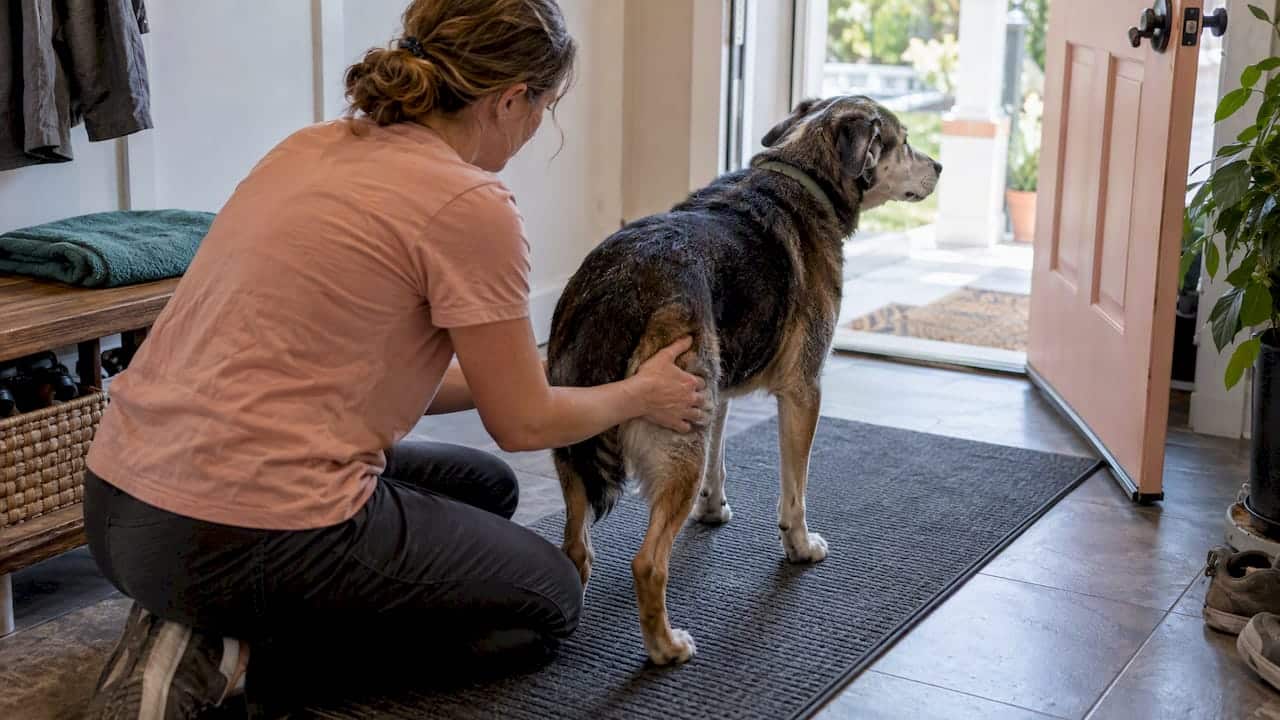
Switching an older dog’s diet while also managing arthritis, anxiety, or mobility issues gets complicated fast, and that’s where in-home support tends to help most.
- Food therapy consultations let us assess your dog’s current diet, health history, and home routine before recommending a therapeutic path suited to cognitive support.
- At-home transition assistance means we can watch for signs of intolerance, such as loose stool or appetite changes, in the environment where your dog actually eats.
- Telemedicine follow-ups give us a way to check in between visits without requiring a stressful car ride for a dog that’s already struggling with disorientation.
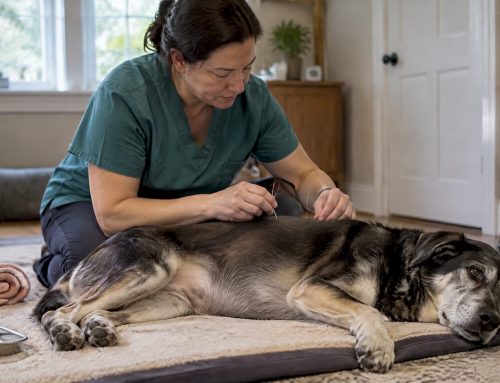
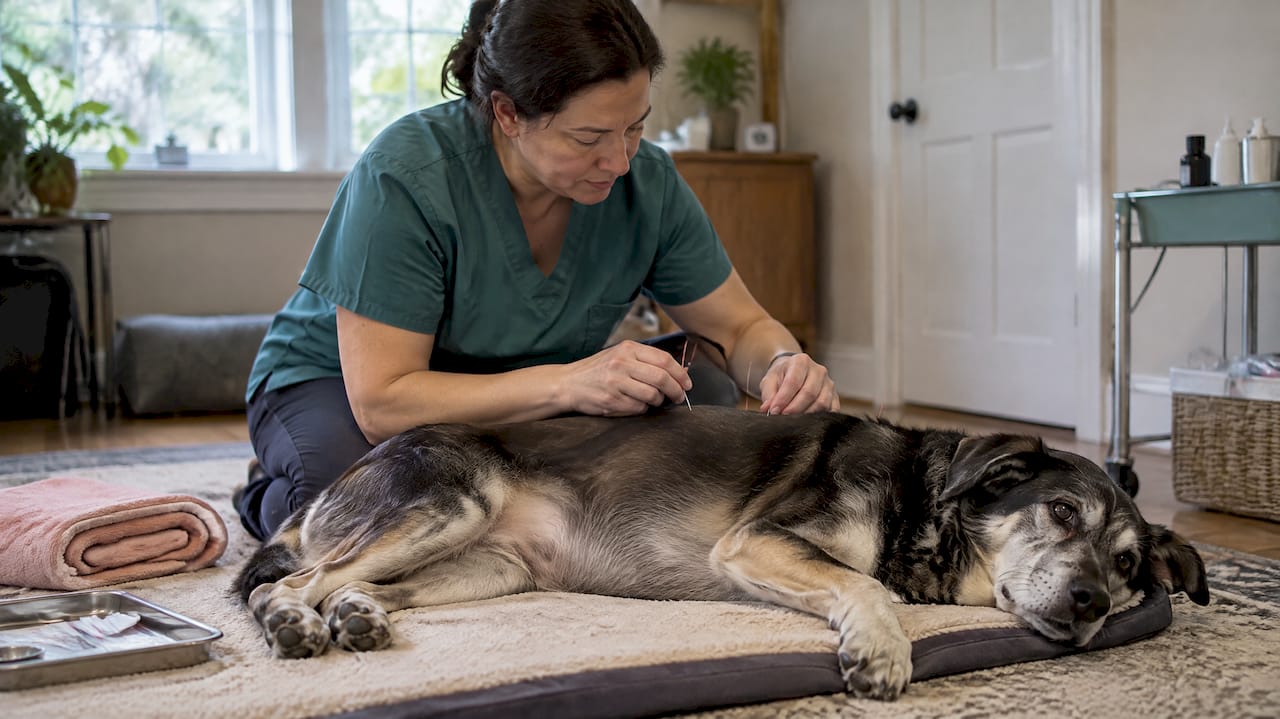
- Rehabilitation and acupuncture sessions support mobility and comfort, which often matter as much as diet for a senior dog’s overall quality of life.
An in-home assessment also catches details a clinic visit might miss, like how your dog actually behaves around food and family in familiar surroundings.
Combining evidence with a plan built around your dog
Diet is one of the most useful levers we have for managing cognitive decline in dogs, but it was never meant to work alone. The dogs who do best tend to be the ones whose owners started early, paired a validated diet with consistent monitoring, and stayed in close contact with their regular veterinarian throughout. We’ve seen how much individualized planning matters: the same therapeutic diet that transforms one dog’s sleep might need adjusting for another with a sensitive stomach or a competing health condition. If your dog’s case feels complicated, an in-home assessment can help sort out what’s driving the changes you’re seeing before you commit to a plan. Keep expectations grounded, track progress honestly, and loop in your vet at the first sign the plan isn’t working the way you hoped.
— Pet Acupuncture & Wellness
Getting started with food therapy and in-home support
Making a dietary change stick is easier with hands-on guidance, and that’s where our mobile practice in South Tampa comes in. We offer food therapy consultations built around your dog’s specific health history, along with telemedicine follow-ups for owners who want a quick check-in between visits.
Beyond diet, we also provide rehabilitation therapy and herbal therapy as adjuncts for dogs managing mobility or comfort issues alongside cognitive changes. Every visit happens in your own home, which tends to reduce the stress that a clinic trip adds for an anxious or disoriented senior dog. You can review full service details and costs to see what fits your dog’s needs, or reach out to schedule a food therapy consultation directly.
This article is general information, not a substitute for advice from a qualified doctor. Consult a qualified healthcare professional about your own circumstances before acting on anything here.

FAQ
How long does a dog live with canine cognitive dysfunction?
Lifespan varies widely depending on overall health, age at diagnosis, and how quickly cognitive and physical symptoms progress. Rather than a fixed timeline, veterinarians focus on quality-of-life measures like sleep, mobility, and interaction, adjusting care as needs change.
What are the best supplements for canine cognitive dysfunction?
Supplements with the most supportive evidence include MCT oil, omega-3 fatty acids, and multi-nutrient blends combining antioxidants with mitochondrial cofactors, based on clinical trial data. SAMe and phosphatidylserine show some preliminary support, but should only be added with veterinary guidance due to possible interactions.
What is the best food for a senior dog with dementia?
The strongest evidence supports a therapeutic diet containing around 6.5% MCT oil combined with a brain-protection nutrient blend, which produced significant improvement across all DISHAA categories in a randomized controlled trial. Choosing a diet validated in published research, rather than one with vague “brain health” marketing, gives you a clearer basis for expecting results.
Can Denamarin be used to treat canine cognitive dysfunction?
Denamarin contains SAMe, which supports liver function and has some associated cognitive benefits, but it is not established as a primary treatment for cognitive dysfunction on its own. Any decision to add it should go through your veterinarian, especially if your dog takes other medications.
How soon will I see improvement after switching my dog’s diet?
Many dogs show early signs of change within 30 days, with more consistent improvement by 90 days, based on trial timelines. Response varies by dog, so tracking symptoms with a simple checklist helps you and your veterinarian judge progress accurately.
Sources
- Efficacy of a Therapeutic Diet on Dogs With Signs of Cognitive Dysfunction Syndrome (CDS): A Prospective Double Blinded Placebo Controlled Clinical Study
- Enhancing cognitive functions in aged dogs and cats: a systematic review of enriched diets and nutraceuticals