Yes, you can get an independent, licensed online vet second opinion in the United States — but what you receive depends heavily on your state’s licensure rules and whether a valid Veterinary-Client-Patient Relationship (VCPR) exists. Most reputable services deliver a written records review, imaging interpretation, suggested diagnostics, and recommended next steps, without replacing your primary vet’s hands-on exam.
Here is what a quality online second opinion typically includes:
- Written report summarizing the reviewing vet’s findings and any concerns with the original diagnosis or treatment plan
- Imaging and lab interpretation based on records you submit (radiographs, ultrasounds, bloodwork)
- Suggested diagnostic or treatment alternatives the primary vet may not have discussed
- Recommended in-person follow-up when the case requires physical examination or prescriptions
Three trust signals to confirm before you pay: a licensed DVM with a verifiable state license number listed on the provider’s site, a clear conflict-of-interest or independence statement, and transparent pricing with a stated refund policy.
Pro Tip: When you submit your request, write one sentence stating exactly what you want the reviewing vet to address — “Is surgery the only option for this cruciate tear?” or “Does this bloodwork support a hypothyroidism diagnosis?” A focused question produces a far more useful report than a general records dump.
Key Takeaways
A licensed, independent online vet second opinion is available to U.S. pet owners, but its value depends on complete records, verified licensure, and a clear plan for in-person follow-up when physical examination is needed.
| Point | Details |
|---|---|
| Licensure and VCPR matter | Verify the reviewing vet is licensed in your state; prescribing requires a valid VCPR. |
| Send complete records | Include all imaging, lab results, prior notes, and a focused question for the best report. |
| Check independence | Confirm no financial ties to pharmacies or product lines before you pay. |
| Know the limits | Online reviews cannot replace a physical exam; plan for in-person follow-up for hands-on findings. |
| Pet Acupuncture & Wellness | Offers licensed teleconsults plus mobile in-home follow-up for integrative care in South Tampa. |
Table of Contents
- What does an online veterinary second opinion actually cover?
- When is a second opinion worth getting?
- How does an online second-opinion consult typically work?
- What U.S. licensure and VCPR rules mean for you
- How to choose a reputable online second-opinion service
- What types of services will you find, and how do they differ?
- How Pet Acupuncture & Wellness handles second opinions and coordinated at-home care
- Why second opinions are part of good integrative care
- Ready to book a second opinion in South Tampa?
- Sources
- FAQ
What does an online veterinary second opinion actually cover?
An online second opinion is a formal review of your pet’s existing medical records by a licensed veterinarian who was not involved in the original diagnosis. It is not a referral to a specialist (which involves a new hands-on exam) and it is not teletriage (a quick symptom check). The 2021 AAHA/AVMA Telehealth Guidelines distinguish these service types clearly and recommend telehealth complement, rather than replace, in-person care.
Typical deliverables from a reputable service:
- A written second-opinion report with the reviewing vet’s assessment
- Recommended additional diagnostics if the current workup appears incomplete
- Alternative treatment options, including integrative or conservative approaches
- A note on whether an in-person exam is needed before any new treatment begins
What it cannot do: without an established VCPR, the reviewing vet generally cannot diagnose, prescribe, or order labs in your state. If the case involves a physical finding that records alone cannot capture — a subtle lameness, an abdominal mass, a cardiac murmur — the written review will note that limitation and recommend in-person evaluation.
Pro Tip: Before you pay, ask the service directly: “Does your reviewing vet have any financial relationship with a pharmacy or product line?” A truly independent service will answer that question plainly. If the answer is vague or redirected, treat it as a red flag.
When is a second opinion worth getting?
Some situations call for a second set of eyes more urgently than others. A pet health second opinion tends to deliver the most value when the stakes are high, the diagnosis is uncertain, or the recommended treatment is irreversible.
Common scenarios where owners find it most helpful:
- Major surgery recommended (orthopedic repair, tumor removal, spinal decompression) — a second review can confirm whether surgery is the best first step or whether conservative management is reasonable
- Unclear or conflicting diagnosis after multiple tests with no definitive answer
- Chronic or progressive conditions (arthritis, kidney disease, Cushing’s) where long-term management choices carry significant quality-of-life implications
- High-cost or high-risk treatments where the financial and physical burden on your pet is substantial
- Owner uncertainty — you simply feel something was missed or rushed
A dog referred for TPLO surgery, for example, might benefit from a records review that confirms whether the cruciate tear is complete or partial, since partial tears sometimes respond to conservative rehab. A cat with unexplained weight loss and a normal thyroid panel might get a second read on the ultrasound that catches an early intestinal mass. These are not hypothetical edge cases — they are the exact situations where a second opinion changes the plan.
How does an online second-opinion consult typically work?
The process is more structured than a casual chat with a vet friend. A well-run service follows a clear intake-to-report workflow, and knowing the steps helps you prepare.
- Complete an intake form describing your pet’s history, the original diagnosis, and the specific question you want answered.
- Transfer medical records — request them from your primary vet and upload them to the platform’s secure portal. Include all lab results, imaging files (DICOM files for radiographs when possible), prior visit notes, and your pet’s current medication list.
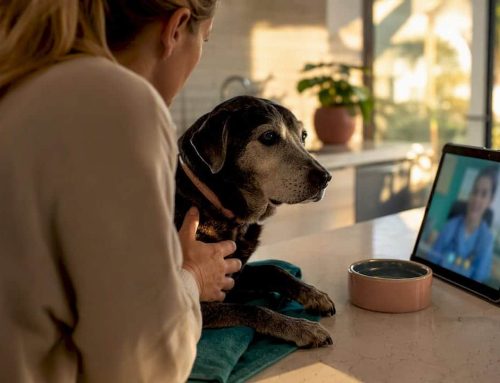
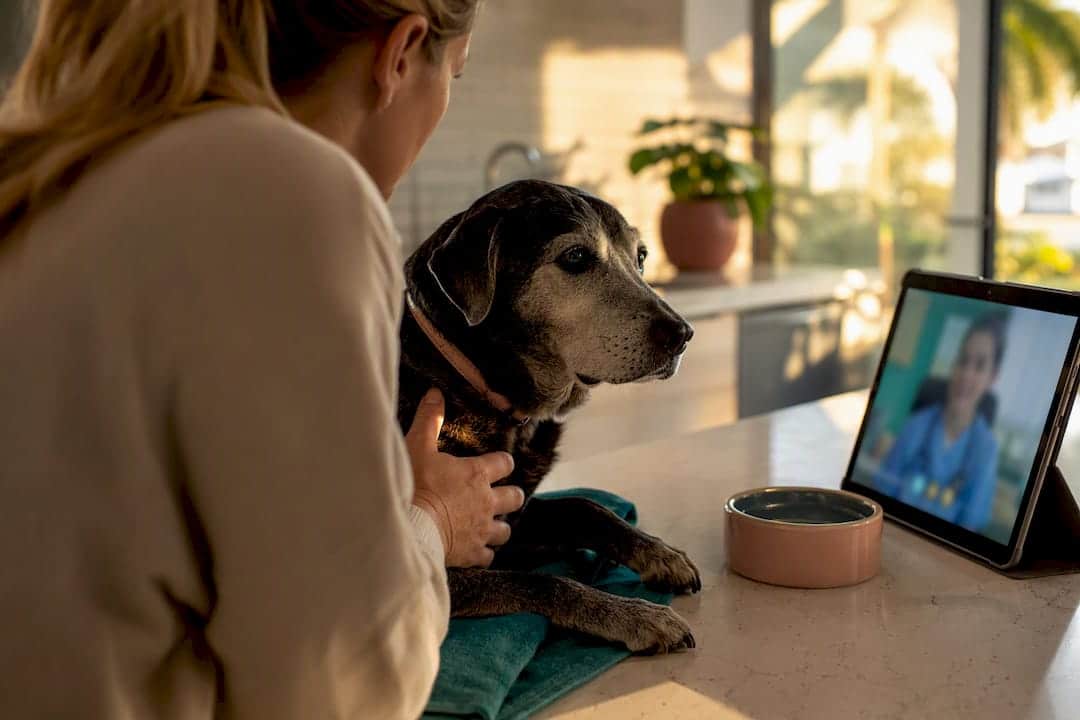
- Vet review — either asynchronous (the vet reviews records on their own schedule) or a scheduled live video consult where you can ask questions in real time.
- Receive a written report with the reviewing vet’s findings, any concerns, and recommended next steps.
- Follow up with your primary vet, sharing the second-opinion report so both clinicians are working from the same information.
What to send for the best outcome:
- Complete medical records from the past 12–24 months
- All imaging (radiographs, ultrasounds, MRI/CT if available)
- Lab results (CBC, chemistry panel, urinalysis, any specialty panels)
- A current medication and supplement list
- Photos or short video clips of the behavior or symptom you are concerned about
Asynchronous vs. live video: Asynchronous reviews are often faster (24–72 hours) and less expensive, and they work well for records-heavy cases. Live video consults allow real-time dialogue and are better when you have complex questions or want to show your pet’s gait or posture. The AAHA Telehealth Guidelines Toolkit describes both models and the workflow steps that make each reliable.
Pricing for asynchronous records reviews and live specialist consults varies by provider and service type. Specialist surcharges (cardiology, oncology, neurology) are common. Some platforms offer subscription models for ongoing access.
What U.S. licensure and VCPR rules mean for you
The Veterinary-Client-Patient Relationship is the legal foundation of veterinary care in the U.S. The AVMA’s position is that a VCPR is best established through an in-person physical examination, and the AVMA generally opposes creating a VCPR solely by electronic means. That position shapes what any online service can legally do for your pet.
What this means in practice: A vet reviewing your records online can offer an informed professional opinion, but without a VCPR, they typically cannot diagnose, prescribe, or recommend extralabel drug use in your state.
State rules add another layer. Veterinarians are generally expected to be licensed in the state where the patient is located at the time of the consult, and cross-state practice is restricted. Florida pet owners have an additional layer of clarity: the PETS Act (HB 849) establishes standards for veterinary telehealth in Florida, emphasizing that remote care must meet the same scope-of-practice standards as in-person care and remains subject to state oversight.
One nuance worth knowing: when a consulting specialist provides advice through a primary vet who already holds the VCPR, the specialist may not need separate licensure in your state. If the specialist treats your pet directly, however, state licensure is required.
Use this checklist to verify a provider’s legal standing before you book:
- [ ] DVM credential and state license number are publicly listed
- [ ] The site states which states the vet is licensed to practice in
- [ ] A clear VCPR policy explains what the service can and cannot do remotely
- [ ] Prescription claims are qualified (“only where a valid VCPR exists”)
- [ ] The service complies with your state’s veterinary practice act (check Chapter 474 of the Florida Statutes if you are in Florida)
How to choose a reputable online second-opinion service
The checklist below covers the factors that separate trustworthy services from sales-first platforms. The AVMA has cautioned that some direct-to-consumer models prioritize drug and product sales over comprehensive care, which poses real risks to patient safety.
Before you pay, confirm:
- Licensed DVM with a verifiable state license number
- Clear independence statement (no financial ties to pharmacies or product lines)
- Transparent, itemized pricing and a stated refund or revision policy
- Sample report or case summary so you know what the deliverable looks like
- Secure, HIPAA-adjacent record transfer (encrypted upload portal, not email)
- Privacy policy that explains how your pet’s records are stored and shared
- Verified user reviews from a third-party platform
Questions to ask before booking:
- Which states is the reviewing vet licensed in?
- Does your service have any referral or revenue relationship with a pharmacy or product supplier?
- Will the reviewing vet communicate directly with my primary vet if needed?
- What is the turnaround time, and what happens if I need clarification after the report?
- Can you prescribe in my state, and under what conditions?
Red flags to walk away from:
- Language that promises a “diagnosis” without any mention of VCPR or in-person follow-up
- Automatic product or prescription recommendations bundled with the review
- No license details listed anywhere on the site
- Vague turnaround promises (“as soon as possible”) with no stated timeframe
- No sample report or methodology description
What types of services will you find, and how do they differ?
The market for virtual vet second opinions falls into three broad categories, each with different strengths.
National telehealth platforms connect you with a licensed vet for either an asynchronous records review or a live video consult. Services like Vetster and RexVet operate in this space. They tend to offer fast turnaround and broad availability, though the reviewing vet may be a generalist rather than a specialist in your pet’s condition. Independence policies vary, so the checklist above matters here.
Dedicated second-opinion services focus specifically on records review and often route cases to board-certified specialists (internists, oncologists, cardiologists). The Vet Society is one example of a service built around this model. Turnaround is typically 24–72 hours, and the deliverable is a formal written report. These services tend to be more expensive but offer deeper clinical review for complex cases.
Local practices offering teleconsults and mobile follow-up represent a third path. A local integrative or mobile vet practice can review your records remotely and then follow up in person at your home — which matters when the second opinion recommends diagnostics or therapies that require hands-on care. This model closes the gap between the written review and actual treatment.
Key tradeoffs at a glance:
- Speed vs. depth: National platforms are fastest; specialist-focused services go deeper
- Cost vs. specialist access: Generalist reviews cost less; specialist consults carry a surcharge
- Prescribing ability: Only services with a valid VCPR in your state can prescribe
- Follow-up care: Local mobile practices can act on their own recommendations in person
How Pet Acupuncture & Wellness handles second opinions and coordinated at-home care
Pet Acupuncture & Wellness offers telemedicine consultations for records review and video consults, conducted by licensed veterinarians who can then follow up in person at your home in South Tampa. That continuity matters: when a second opinion recommends acupuncture, rehabilitation, herbal therapy, or pain management, the same practice that reviewed your records can deliver those therapies without sending you to yet another provider.
Here is how the process works at Pet Acupuncture & Wellness:
- Request records from your primary vet and submit them through the clinic’s secure intake process
- Schedule a teleconsult (asynchronous review or live video) to discuss your specific concern
- Receive a written summary of the reviewing vet’s findings and recommended next steps
- Book an in-home follow-up if diagnostics, integrative therapy, or a physical exam is needed
Independence is built into the model. Pet Acupuncture & Wellness does not have referral incentives tied to outside pharmacies or product suppliers, and the clinic’s vet referral process is designed to coordinate with your primary vet rather than replace them. For at-home vet care, especially for senior, disabled, or anxious pets who find clinic visits stressful, this integrated approach reduces the number of transitions your pet has to navigate.
Why second opinions are part of good integrative care
Getting a second opinion is not a sign of distrust toward your primary vet. It is a sign that you take your pet’s health seriously. The most meaningful outcomes we see come from cases where the primary vet and the reviewing clinician are working together, not in opposition. A teleconsult that surfaces a missed differential diagnosis or an alternative to surgery is not a criticism of the original care — it is the system working as it should.
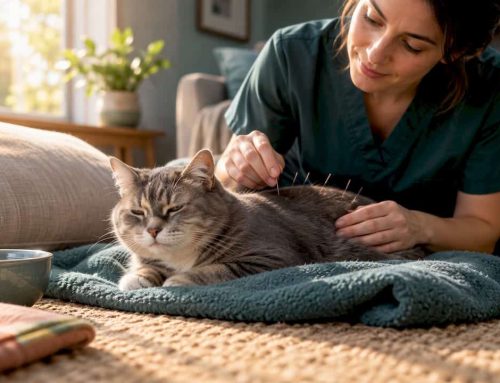
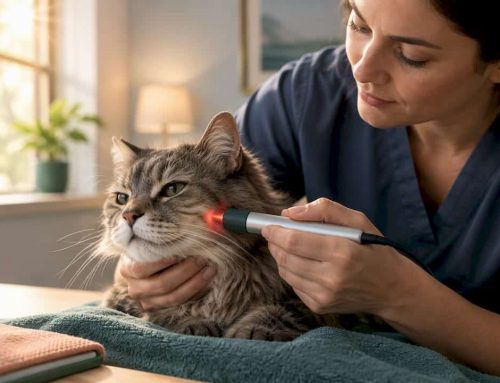
Integrative medicine, by its nature, asks more questions. When a senior dog is prescribed long-term NSAIDs for arthritis pain, a second opinion might ask whether acupuncture, laser therapy, or rehabilitation could reduce the medication burden. That question does not undermine the primary vet; it expands the options available to your pet. The AVMA supports telehealth as a complement to in-person care when professional standards are met, and that framing reflects exactly how a well-run second opinion should function.
One practical note: share your complete records and be specific about what you want reviewed. A vague request produces a vague report. The more focused your question, the more useful the answer.
Ready to book a second opinion in South Tampa?
When your pet’s diagnosis feels uncertain or a major procedure is on the table, Pet Acupuncture & Wellness gives you a licensed, independent second look — and the ability to follow through in person, at home, without the stress of a clinic visit.
Here is what to do next:
- Gather your records — request them from your primary vet (most practices release them within 24 hours).
- Book a teleconsult through Pet Acupuncture & Wellness’s telemedicine service and note your specific question.
- Schedule an in-home follow-up if the review recommends hands-on diagnostics or integrative care such as acupuncture or rehabilitation.
Pet Acupuncture & Wellness serves South Tampa (ZIP 21142). Fees and availability are confirmed at booking. For pets whose second opinion points toward pain management, mobility support, or acupuncture, the clinic can move from review to treatment in a single coordinated plan.
Sources
These are the primary authoritative sources that inform telehealth and VCPR rules in the U.S.:
- AVMA policy: Telehealth including telemedicine
- 2021 AAHA/AVMA Telehealth Guidelines for Small-Animal Practice (PDF)
- 2024 Bill Summaries — Florida: HB 849 — Veterinary Practices (PETS Act)
Check your own state’s veterinary practice act for local VCPR and telehealth rules, since requirements vary significantly across states.
This article is general information, not a substitute for advice from a qualified doctor. Consult a qualified healthcare professional about your own circumstances before acting on anything here.
FAQ
Are there legitimate online vets who can give a real second opinion?
Yes. Licensed DVMs operating through reputable telehealth platforms or dedicated second-opinion services can review your pet’s records and imaging and provide a written professional assessment. Confirm the vet’s state license number is listed and that the service has a clear independence policy.
Is it okay to get a second opinion from a vet?
Absolutely. Seeking a second opinion is a normal, responsible part of pet health care, particularly before major surgery or a long-term treatment commitment. Most primary vets welcome the collaboration, and sharing the second-opinion report with your original vet leads to better coordinated care.
Is there a ChatGPT-style AI tool for veterinary medicine?
Several AI-assisted triage tools exist, but they are not substitutes for a licensed veterinarian’s review. AI tools can help you organize symptoms or prepare questions, but a formal second opinion requires a licensed DVM who can be held to professional and legal standards.
Can online vets actually prescribe medications?
Only when a valid VCPR exists under your state’s law. Many online services can offer general advice and records review without a VCPR, but prescribing typically requires an established relationship that most states still require to be grounded in an in-person exam. Always ask a service directly about its prescribing authority in your state before assuming a prescription is possible.