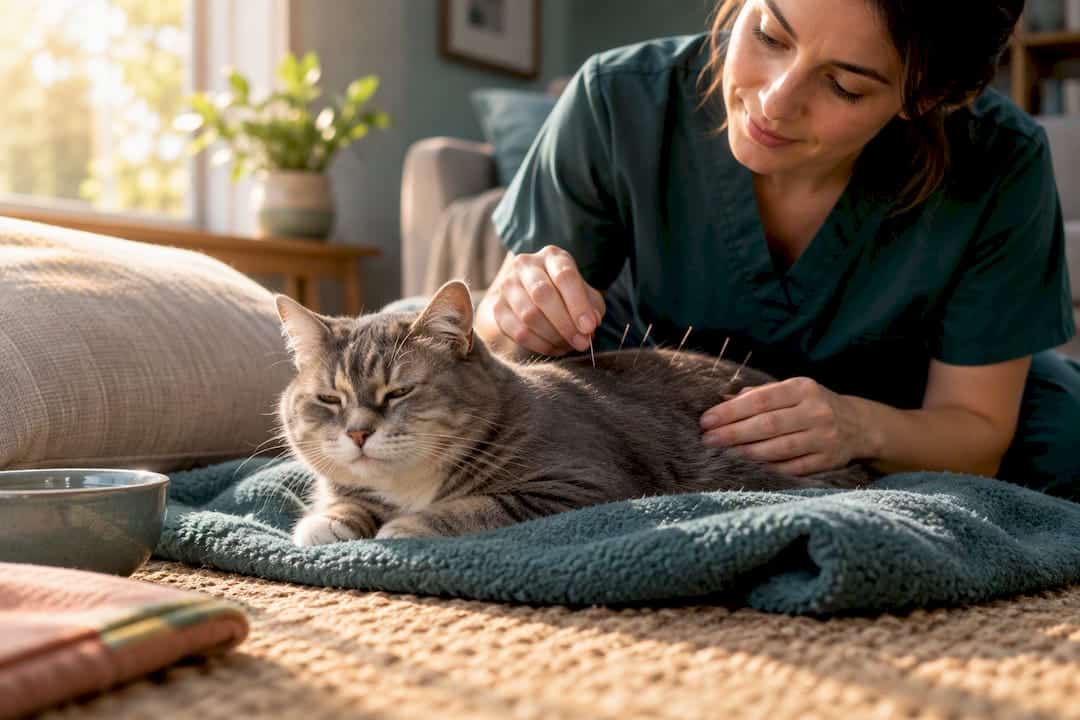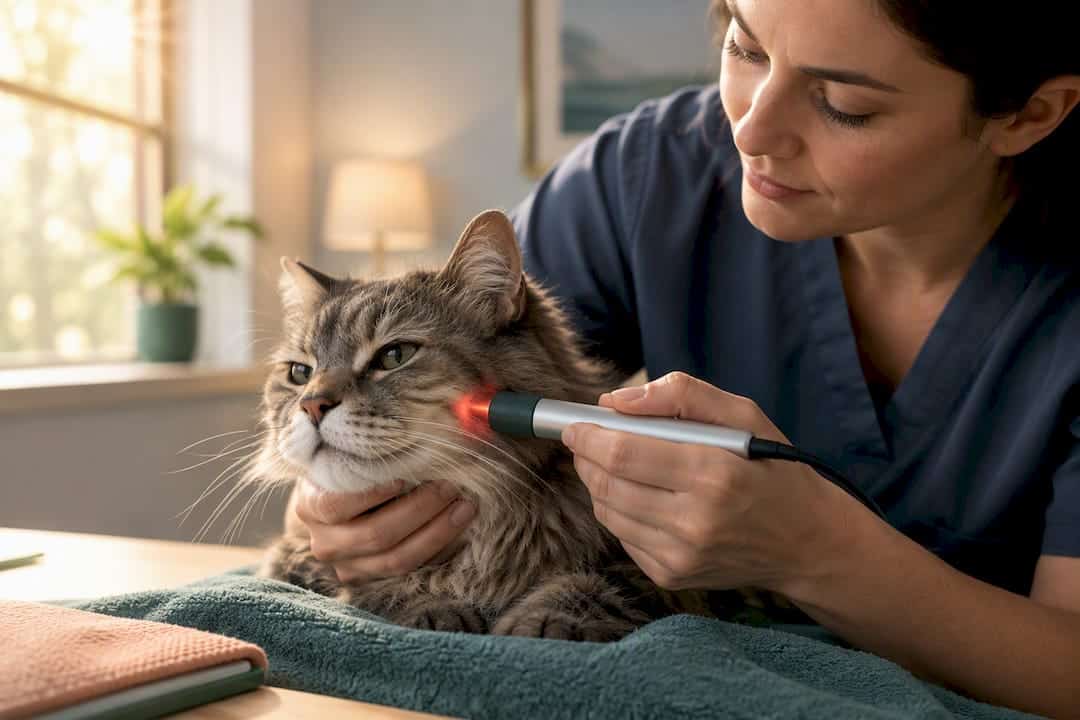
Yes, in-home integrative therapies can meaningfully improve mobility for senior, disabled, or anxious dogs. The most effective clinical mobility aids for dogs are not devices but treatments: acupuncture, therapeutic exercise, photobiomodulation (laser therapy), herbal and nutritional therapy, and targeted home modifications… If your dog is struggling to rise, walk, or climb, the right next step is scheduling an at-home assessment with a licensed integrative clinician.
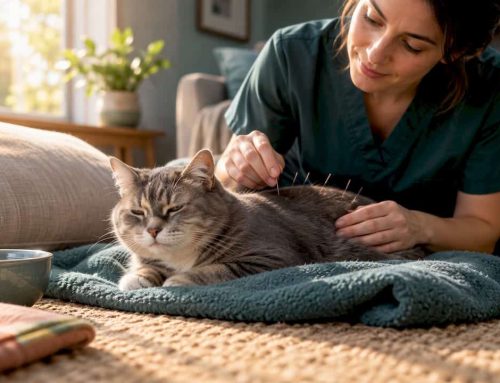
- Acupuncture stimulates Meridians to restore Qi flow, reduce pain, and ease muscle tension
- Therapeutic exercise rebuilds strength and trains canine proprioception through balance exercises for dogs like sit-to-stand and slow leash walks
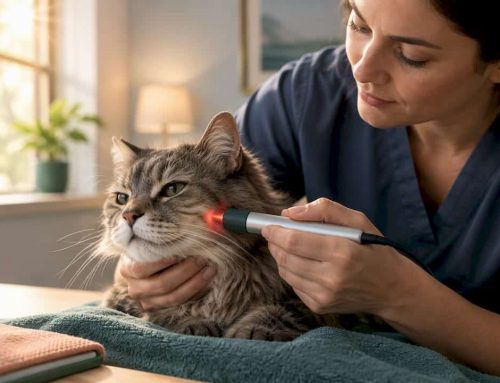
- Laser therapy reduces inflammation and encourages tissue healing, typically over 4–8 sessions
- Herbal and nutritional therapy addresses oxidative stress and chronic inflammation with nutraceuticals like omega-3s, curcumin, and glucosamine
- Home modifications (non-slip mats, ramps, raised feeders) reduce fall risk between sessions
Pro Tip: Before your clinician arrives, clear a quiet space where your dog naturally rests. A calm, familiar environment produces a more accurate gait and pain assessment than a stressed one.
Key Takeaways
Multimodal in-home integrative therapy, guided by AAHA and AVMA standards, produces measurable mobility gains for senior and disabled dogs without a clinic visit.
| Point | Details |
|---|---|
| Measurable outcomes | A 2026 case series found 87.5% improvement in neurologic patients and 80% in orthopedic patients with multimodal rehab. |
| Laser therapy timeline | Many dogs need multiple laser therapy sessions over several weeks to see meaningful anti-inflammatory effects. |
| Safety first | Sudden paralysis, inability to urinate, or acute trauma require urgent conventional veterinary care, not home rehab. |
| Provider credentials | Choose a clinician who uses validated pain scales, objective outcome measures, and a written homework plan. |
| Pet Acupuncture & Wellness | Offers in-home acupuncture, laser therapy, therapeutic exercise, and herbal therapy for South Tampa dogs. |
Table of Contents
- What you need to know at a glance
- How a South Tampa mobile integrative clinician sees your dog’s mobility
- Pet Acupuncture & Wellness brings clinical mobility care to your door
- Why the “device-first” instinct misses the point
- Authoritative sources and further reading
- FAQ
What you need to know at a glance
Integrative rehabilitation, guided by AAHA’s 2023 senior care guidelines and the AVMA’s integrative care standard, is now a recognized approach for dogs with mobility limitations.
- A 2026 retrospective case series reported 87.5% improvement in a neurologic cohort and 80% in an orthopedic cohort using multimodal integrative rehab
- Most dogs show measurable change within several sessions; neurologic cases often require longer treatment courses.
- Red flags requiring urgent conventional care: sudden paralysis, inability to urinate, acute trauma, or unexplained rapid decline
- Choose a provider with documented integrative credentials, objective outcome measures, and a clear homework plan
- Pricing for in-home integrative sessions varies by modality, travel, and session length; a consult gives you an exact figure
How a South Tampa mobile integrative clinician sees your dog’s mobility
On a first home visit, the clinician watches your dog move in its own space, noting gait asymmetry, hesitation on slippery floors, and signs of pain like guarding or muscle atrophy. Range-of-motion measurements, a validated pain scale, and sometimes video or step-count tracking establish a baseline.
From there, a personalized rehab plan is built around realistic goals: rising unassisted, climbing two steps, or walking a full block. Treatment in a single session might combine acupuncture, passive range-of-motion work, and laser therapy, followed by home exercises prescribed for the days between visits. As Dr. Barbara Royal notes in her integrative geriatric care framework, aging is a stage to manage actively, not a condition to accept. Reassessment at each visit adjusts the plan as your dog responds.
Herbal and dietary support runs alongside hands-on therapy, targeting the inflammation and oxidative stress that slow recovery in senior dogs.
Pet Acupuncture & Wellness brings clinical mobility care to your door
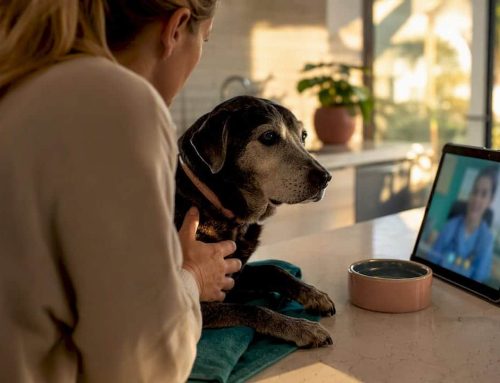
Pet Acupuncture & Wellness delivers every modality described in this article directly to South Tampa homes: in-home acupuncture, therapeutic exercise guidance, laser therapy, herbal and food therapy, and a customized senior care kit with home-modification recommendations. A first session includes a full mobility assessment, a written treatment plan, and homework exercises. Follow-up visits and telemedicine check-ins keep progress on track between sessions.
Pricing depends on modality, session length, and travel within South Tampa. Book an integrative care consult to get an exact quote and a clear picture of what your dog’s plan would look like.
Why the “device-first” instinct misses the point
Most owners searching for canine mobility support picture a harness or a ramp. Those tools have their place, but they don’t address why your dog is struggling. Inflammation, Qi stagnation, muscle atrophy, and neurologic disruption are the underlying causes, and a device cannot resolve any of them.
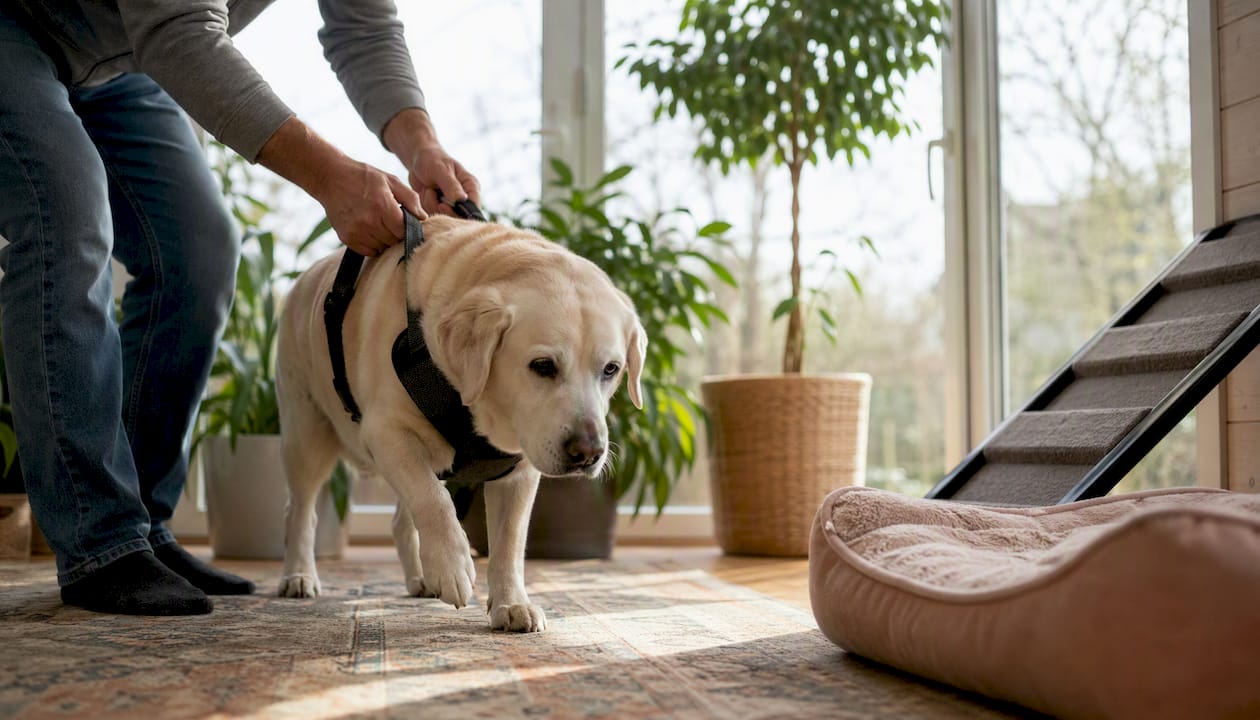
The integrative model treats the root, not just the symptom. A dog that receives acupuncture to restore Meridian flow, laser therapy to reduce joint inflammation, and targeted balance exercises for dogs to rebuild proprioception is not just compensating for weakness. It is recovering from it. That distinction changes what you should be asking for when you call a vet.
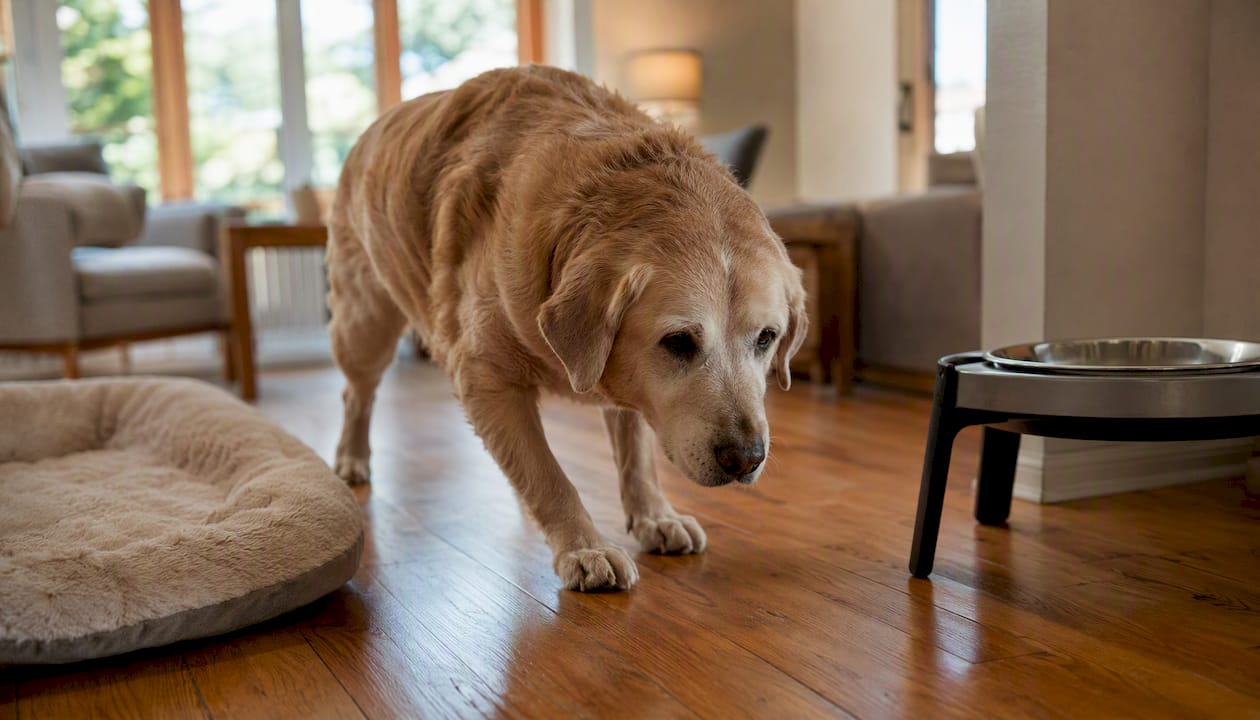
The home environment also matters more than most owners realize. Slippery tile, deep-cushion sofas, and food bowls at floor level all create daily micro-stressors on a compromised musculoskeletal system. A qualified clinician will spot these on the first visit and give you specific fixes, not a generic checklist.
Authoritative sources and further reading
The table below maps each key source to its primary claim and how it applies to at-home care.
| Source | Key claim | Applies to at-home care |
|---|---|---|
| AAHA 2023 Senior Care Guidelines | Multimodal pain management, rehab, and home modifications are evidence-guided best practice | Senior care kit, home modifications, outcome measures |
| AVMA Integrative Care (AJVR) | Integrative modalities are a recognized standard for patients with mobility limitations | Provider selection, treatment plan design |
| WSU Integrative Veterinary Medicine | Laser therapy requires 4–8 sessions; hydrotherapy and acupuncture benefit osteoarthritis and neurologic conditions | Session planning, timeline expectations |
| 2026 Retrospective Case Series (OSF) | 87.5% neurologic and 80% orthopedic improvement with multimodal integrative rehab | Realistic outcome benchmarks |
| IVC Journal: Geriatric & Hospice Care | Multimodal management empowers owners to address aging actively | Treatment plan framing, owner education |
| RehabVet Homecare Protocols | Passive ROM and sit-to-stand exercises require specialist timing guidance | Safe homework prescription |
| IVC Journal: Senior Dog Mobility | Omega-3s, curcumin, and glucosamine address inflammation and oxidative stress | Nutritional and herbal therapy component |
Before your first at-home visit, gather:
- AVMA integrative care paradigm (AJVR article)
- 2023 AAHA senior care guidelines for dogs and cats (AAHA)
- Integrative approach to geriatric and hospice care
- Integrative Rehabilitation Therapy in Dogs: A Retrospective Case Series Evaluating Outcomes in Orthopedic and Neurologic Patients
- Integrative veterinary medicine (WSU Veterinary Teaching Hospital)
- Homecare and Exercises for Dogs Undergoing Physiotherapy (RehabVet)
- Integrative therapies for improving mobility in senior dogs
For deeper reading on specific modalities, the physical therapy guide at PAW Vet Practice and the home rehab exercise guide are practical starting points.
This article provides general information about integrative veterinary care and is not a substitute for professional veterinary advice. Consult a licensed veterinarian to confirm the right approach for your dog’s specific condition.
FAQ
Can in-home integrative therapy replace conventional veterinary care?
No. Integrative therapies work best alongside conventional medicine, not instead of it. The AVMA recognizes combined modalities as a standard of care for patients with mobility limitations.
How many sessions does it take to see improvement?
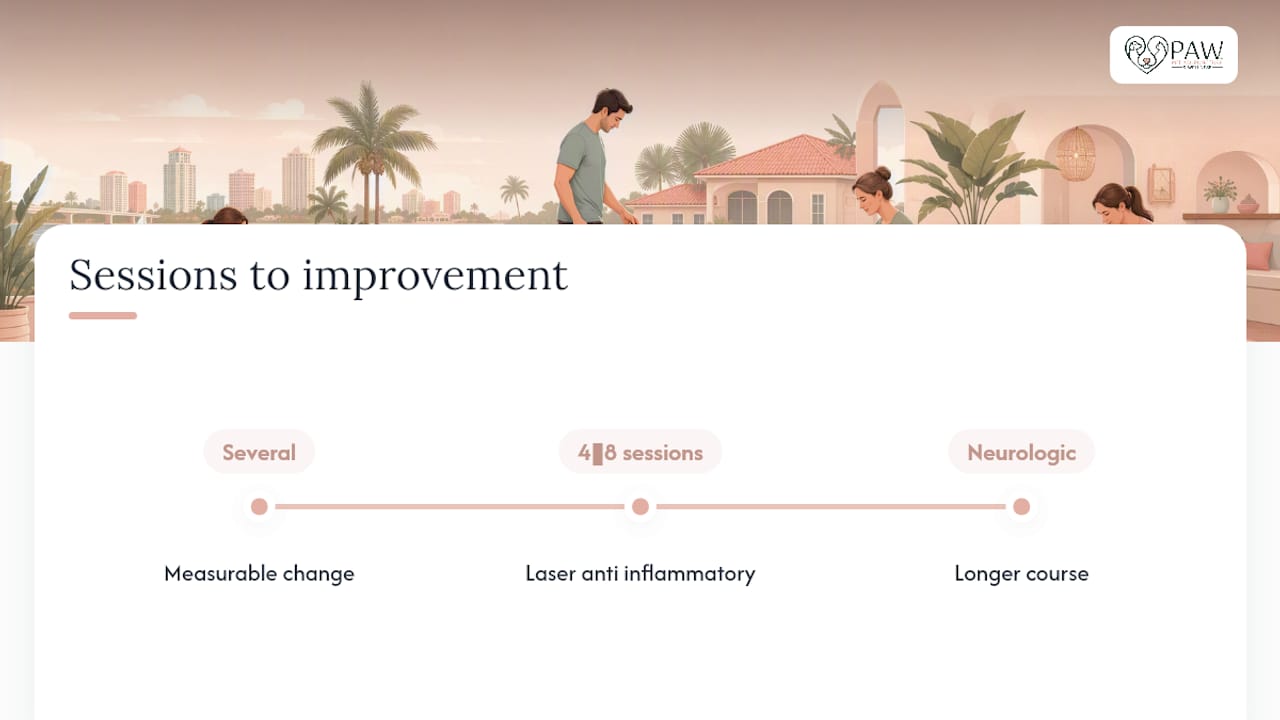
Most dogs show measurable change within several sessions. Laser therapy specifically tends to require 4–8 sessions for meaningful anti-inflammatory effects, while neurologic cases often need a longer course.
What mobility conditions respond best to integrative rehab?
Osteoarthritis, intervertebral disc disease, post-surgical recovery, and age-related muscle atrophy all show strong responses. The retrospective case series found high levels of improvement in both orthopedic and neurologic patients undergoing integrative rehabilitation.
How do I know if my dog needs urgent clinic care instead?
Sudden paralysis, inability to urinate, acute trauma, or rapid unexplained decline are red flags. These require immediate conventional veterinary attention before any integrative therapy begins.
Does Pet Acupuncture & Wellness offer in-home rehab in South Tampa?
Yes. Pet Acupuncture & Wellness provides mobile acupuncture, laser therapy, therapeutic exercise, and herbal therapy for dogs in South Tampa, with telemedicine follow-ups between visits.