TL;DR:
- Veterinary physical therapy effectively restores mobility and reduces pain in pets with orthopedic or neurologic conditions. It combines in-clinic modalities with home programs, requiring professional guidance and owner commitment. In-home veterinarian rehab services improve progress and minimize stress for dogs and cats.
Veterinary physical therapy uses targeted clinical techniques and structured home programs to restore mobility, reduce pain, and improve quality of life for dogs and cats. The short answer: yes, it works, and most pets with orthopedic, neurologic, or chronic conditions are good candidates.
TL;DR:
- Who benefits most: Post-surgical patients, pets with arthritis or IVDD, neurologic cases, senior dogs and cats with mobility decline, and working or athletic animals.
- What to expect: A mix of in-clinic modalities (underwater treadmill, laser, acupuncture, electrical stimulation) plus a structured home exercise program; initial evaluations typically run 1–1.5 hours, with follow-ups one to three times per week.
- Your next step: Ask your primary vet for a rehab referral, or schedule an evaluation directly with a certified rehabilitation provider.
Table of Contents
- What is physical therapy for pets, and how does it help?
- Which conditions does veterinary rehab commonly treat?
- What therapies and techniques are used in veterinary rehab?
- What happens at the first evaluation, and what does a treatment plan look like?
- Who provides veterinary rehabilitation, and what credentials matter?
- What are the proven benefits, and are there risks to know about?
- How much does veterinary physical therapy cost?
- What owners should know about rehabilitation for cats
- How do you choose the right veterinary rehab provider?
- Key Takeaways
- Why in-home rehab changes what’s possible for your pet
- Mobile integrative rehab in South Tampa, brought to your door
- Useful sources and further reading
- FAQ
What is physical therapy for pets, and how does it help?
Veterinary physical rehabilitation is a branch of medicine focused on restoring function, controlling pain, and improving quality of life for animals with orthopedic, neurologic, and chronic conditions. Think of it as the animal equivalent of what a human physical therapist does after knee surgery or a stroke, adapted for the anatomy and behavior of dogs, cats, and other species.
The core goals are straightforward: restore mobility, prevent muscle atrophy, reduce pain, build endurance and strength, and manage chronic disease over the long term. A dog recovering from a tibial plateau leveling osteotomy (TPLO) needs a very different plan than a senior cat with degenerative joint disease, and a good rehab program reflects that difference from day one.
Rehab complements, rather than replaces, your primary veterinarian’s care. Per AARV model standards, rehabilitation assessments are functional evaluations built on a referring veterinarian’s diagnosis. The rehab team works alongside your vet, not around them. That collaborative model is what separates structured rehabilitation from well-meaning but unguided home care, which often leads to incomplete recovery because owners cannot match the type, intensity, or frequency of care a trained clinician provides.
Which conditions does veterinary rehab commonly treat?
Rehabilitation therapy for animals covers a wider range of diagnoses than most owners realize. If your pet has been told to “rest and restrict activity” after a procedure or diagnosis, that is often the moment a rehab referral makes the biggest difference.
Common conditions treated:
- Post-operative recovery: TPLO and other cruciate repairs, fracture fixation, femoral head ostectomy (FHO), spinal surgery. Post-op TPLO recovery is one of the most common rehab referrals in small animal practice.
- Osteoarthritis: Chronic joint disease in hips, elbows, stifles, and spine; rehab reduces pain and slows functional decline.
- Intervertebral disc disease (IVDD): Both conservative and post-surgical IVDD patients benefit from structured neurologic rehab.
- Ligament injuries: CCL/ACL tears, partial tears managed conservatively, and post-repair strengthening.
- Neurologic conditions: Degenerative myelopathy, fibrocartilaginous embolism (FCE), and peripheral neuropathies.
- Geriatric mobility decline: Senior pets losing strength, balance, or confidence on slippery floors or stairs.
- Obesity and deconditioning: Weight-loss programs paired with low-impact exercise to protect joints.
- Chronic pain: Conditions like spondylosis, hip dysplasia, or soft-tissue injuries that have not resolved with medication alone.
- Performance and working-dog conditioning: Agility dogs, search-and-rescue dogs, and sporting breeds that need injury prevention or return-to-sport protocols.
Rehab can be restorative (rebuilding function after injury or surgery) or preventive (maintaining strength and mobility before problems worsen). Early referral, particularly for post-surgical and neurologic cases, tends to produce faster recovery and better long-term function.
What therapies and techniques are used in veterinary rehab?
The modality list in a well-equipped rehab clinic can look overwhelming at first. Here is a plain-language breakdown of what each technique does and when it is typically used, followed by a quick-reference table.
Therapeutic exercise is the backbone of every rehab plan: controlled walking, balance work, cavaletti poles, sit-to-stand repetitions, and resistance exercises that rebuild strength without overloading healing tissue.
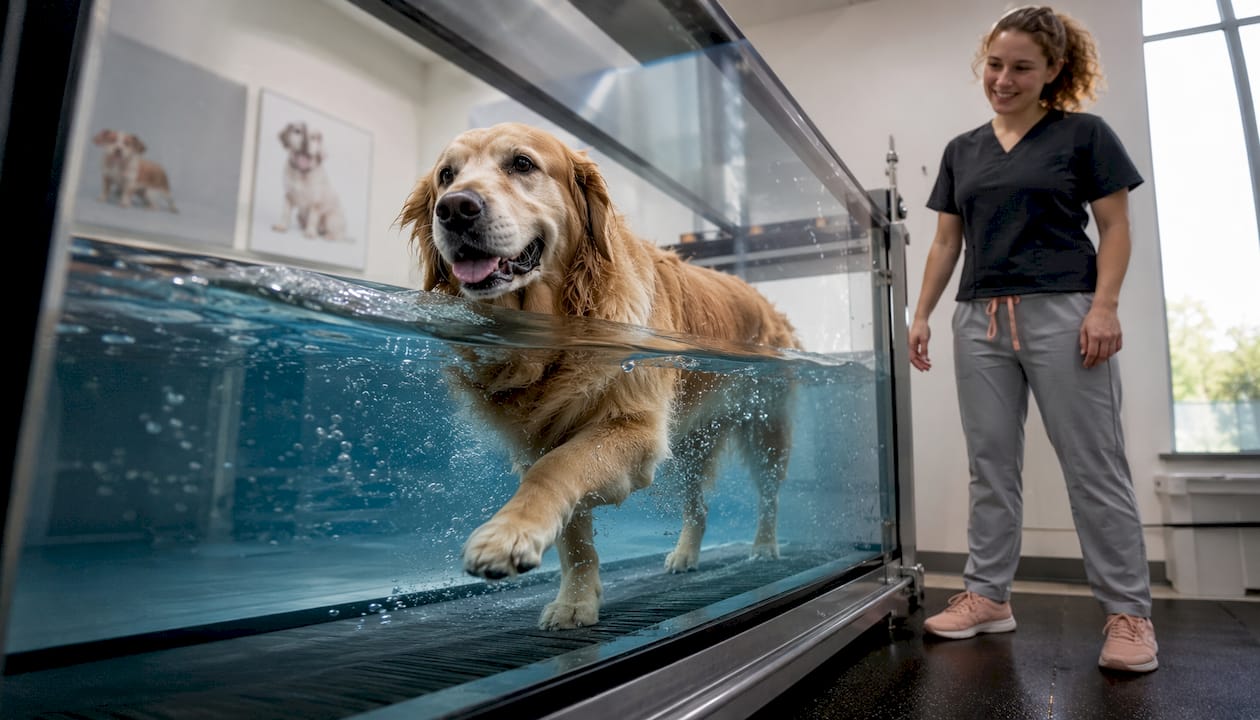
Hydrotherapy and the underwater treadmill let your pet work against water resistance while buoyancy reduces joint load. Underwater treadmill therapy improves muscle strength, joint range of motion, and cardiovascular fitness, and it decreases recovery time from surgery by allowing earlier weight-bearing than land exercise permits.
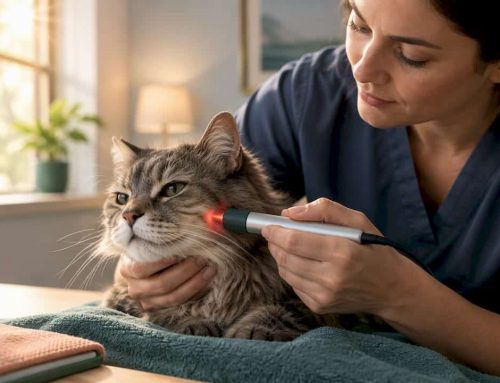
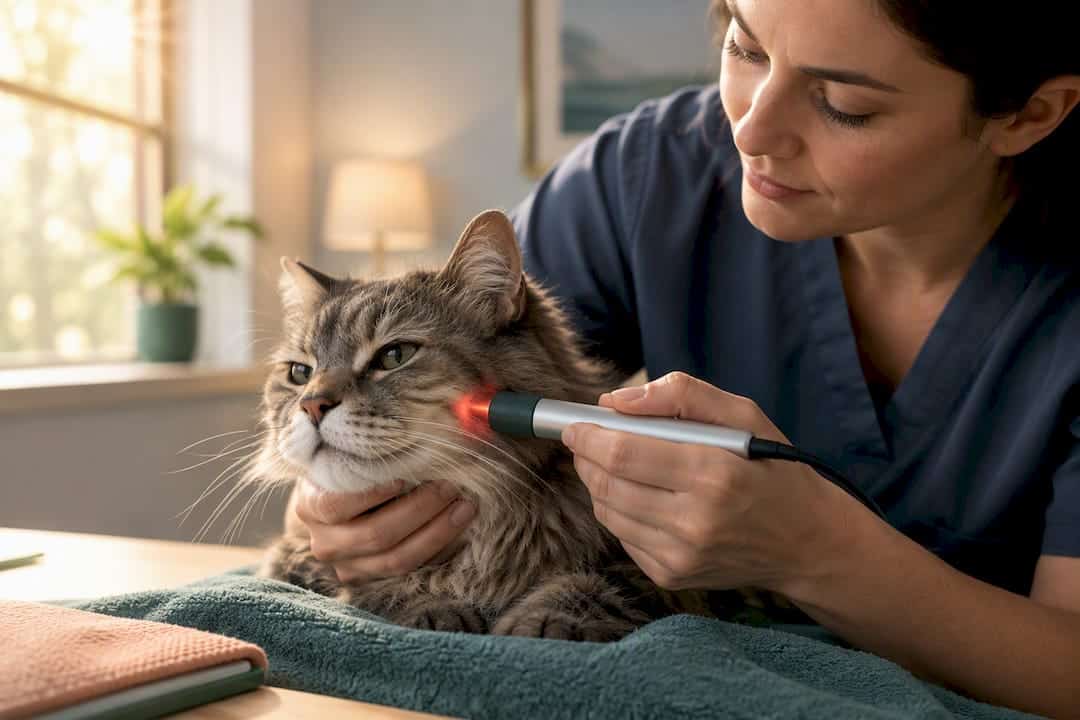
Laser therapy uses specific wavelengths of light to reduce inflammation and promote tissue healing. It is painless, fast (most sessions run 5–15 minutes), and commonly used for post-surgical incisions, arthritis flares, and nerve injuries.
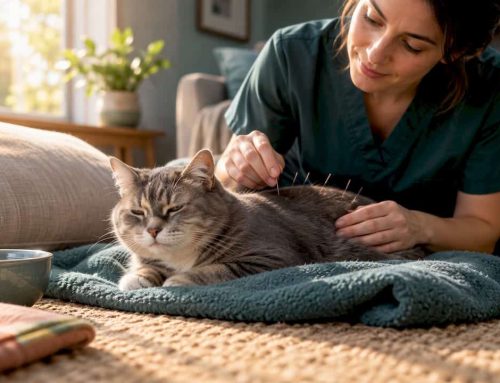
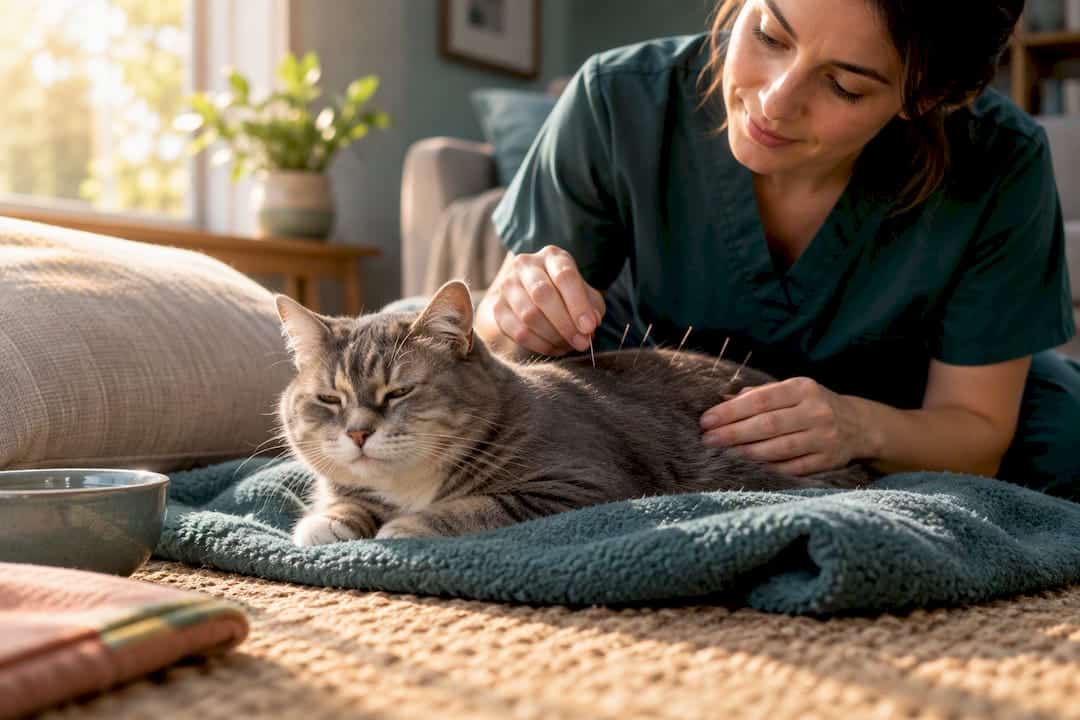
Acupuncture stimulates specific points along the body’s meridian system to modulate pain, reduce muscle tension, and support neurologic recovery. In integrative rehab programs, acupuncture and physical rehabilitation work together rather than as separate tracks.
Electrical stimulation (E-stim) covers two main applications: neuromuscular electrical stimulation (NMES) to activate weakened muscles, and transcutaneous electrical nerve stimulation (TENS) for pain control. Both are well-tolerated by most dogs and cats.
Manual therapy and massage include soft-tissue mobilization, joint mobilization, and passive range-of-motion (PROM) exercises. These are often the first techniques introduced because they reduce pain and stiffness before active exercise begins.
Cryotherapy and heat therapy follow a clear timing rule: cold therapy is used in the first 72 hours after injury or surgery to limit swelling, while heat is applied later for chronic stiffness and muscle tension.
Balance and proprioception work uses wobble boards, balance discs, and cavaletti poles to retrain the nervous system’s awareness of limb position, which is especially important after neurologic injury or orthopedic surgery.
Kinesiology taping provides gentle joint support and sensory feedback without restricting movement. It is used for joint instability, edema management, and postural support.
Mobility aids such as wheelchairs, slings, and orthotics keep non-ambulatory or weak pets moving safely while their strength rebuilds. Fitting and training for these devices is part of the rehab plan, not an afterthought.
| Modality | Primary benefit | Typical frequency |
|---|---|---|
| Therapeutic exercise | Strength, endurance, function | Every session + daily HEP |
| Underwater treadmill | Low-impact strengthening, gait retraining | 2–3× per week |
| Laser therapy | Pain relief, tissue healing | 2–3× per week initially |
| Acupuncture | Pain modulation, neurologic support | Weekly to biweekly |
| E-stim (NMES/TENS) | Muscle activation, pain control | Per session as indicated |
| Manual therapy/PROM | Range of motion, pain reduction | Every session |
| Cryotherapy/heat | Swelling control / stiffness relief | Daily at home |
| Balance/proprioception | Neurologic retraining | Every session |
| Kinesiology taping | Joint support, sensory feedback | As needed |
| Mobility aids | Safe ambulation during recovery | Ongoing as needed |
Pro Tip: Ask the clinic whether rehabilitation exercises from your pet’s in-clinic sessions can be adapted for home. Most therapists will provide written instructions and short videos so you can keep progress moving between appointments.
What happens at the first evaluation, and what does a treatment plan look like?
The initial rehabilitation evaluation typically lasts 1–1.5 hours and covers a full medical history review, orthopedic and neurologic examination, gait analysis, and baseline measurements such as muscle girth and joint range of motion. Many clinics include the first treatment within that same visit.
What to bring to the first appointment:
- Complete medical records and any imaging (X-rays, MRI, CT) — coordinate with your primary vet to have these sent ahead of time.
- A list of current medications and supplements, including dosages.
- Your pet’s favorite high-value treats and a familiar blanket or toy to reduce stress.
- A clear list of functional goals: Can your dog climb stairs? Get in and out of the car? Return to agility? Therapists use your goals to shape the home exercise program (HEP).
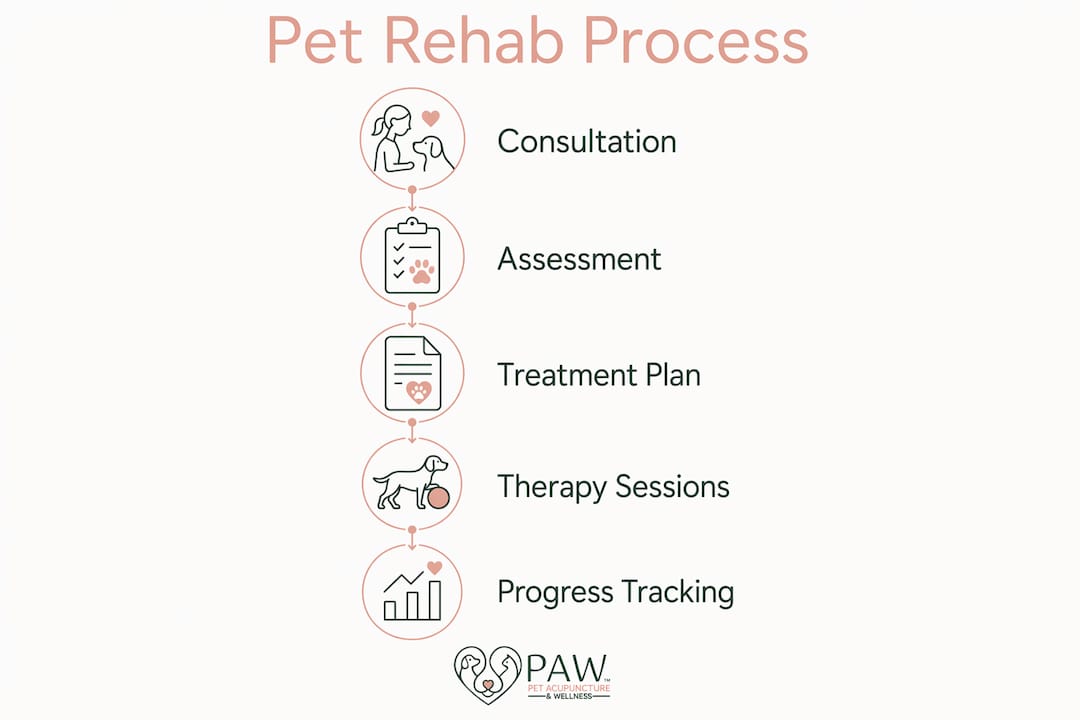
After the evaluation, the clinician builds a treatment plan that specifies session frequency, modalities, and a home program. For a post-surgical patient, follow-ups are commonly scheduled one to three times per week in the early weeks, tapering as strength returns. A dog with osteoarthritis might start at twice weekly and transition to monthly maintenance visits once function stabilizes. Neurologic cases often require the most intensive early schedule, with gradual progression tied to measurable milestones.
Progress is tracked objectively. Therapists record baseline muscle measurements and repeat them at rechecks to document gains or losses. Gait videos, range-of-motion measurements, and owner-reported function scores round out the picture. The HEP is the bridge between clinic visits: consistent, short daily sessions at home typically determine long-term gains more than in-clinic visit count alone.
Some academic rehab centers offer packages of 10 sessions, which can reduce the per-session cost and encourage owners to commit to the full course of care.
Who provides veterinary rehabilitation, and what credentials matter?
Veterinary rehabilitation is delivered by several types of professionals, and the credential behind the clinician’s name tells you a lot about their training depth.
Diplomates of the American College of Veterinary Sports Medicine and Rehabilitation (DACVSMR/ACVSMR) are board-certified specialists who have completed a residency and passed rigorous examinations. The ACVSMR specialty draws on veterinarians, veterinary technicians, and human physical therapists with specialized post-graduate training. For complex neurologic cases, post-surgical complications, or performance animals, a DACVSMR is the gold standard.
Certified Canine Rehabilitation Therapists (CCRT) and Certified Canine Rehabilitation Practitioners (CCRP) are veterinarians or physical therapists who have completed structured post-graduate certificate programs in canine rehabilitation. These credentials indicate solid foundational training and are appropriate for the majority of routine rehab cases.
Rehabilitation-certified veterinary technicians (CCRVN, CCRN) work under veterinary supervision and often deliver hands-on treatment during sessions. Their certification reflects specific training in modality application and therapeutic exercise.
Human physical therapists with animal-specific training may practice animal rehabilitation in some states, though scope-of-practice laws vary. The Academy of Orthopaedic Physical Therapy’s Animal Rehabilitation Special Interest Group (ARSIG) has published clinical practice standards for this group.
For straightforward post-op or arthritis cases, a CCRT or CCRP with experience in your pet’s condition is entirely appropriate. Reserve the DACVSMR referral for cases involving complex neurology, rare diagnoses, or situations where initial rehab has not produced expected progress.
What are the proven benefits, and are there risks to know about?
The evidence supporting rehabilitation therapy for dogs is solid and growing. Veterinary physical rehabilitation accelerates postoperative recovery, reduces pain in osteoarthritis, and helps neurologic patients regain function. Early, controlled intervention also reduces the risk of muscle atrophy, joint contracture, and compensatory gait patterns that develop when an injured limb is favored for too long.
Benefits owners commonly see:
- Faster return to weight-bearing and normal gait after surgery
- Reduced reliance on pain medications, or the ability to use lower doses
- Improved muscle mass and strength in deconditioned or post-surgical patients
- Better balance and coordination in neurologic cases
- Improved quality of life scores in senior pets with chronic pain
- Reduced risk of re-injury through targeted strengthening and proprioception work
Limitations to keep in mind:
- Results vary depending on diagnosis severity, the pet’s age, and owner compliance with the HEP
- Rehab requires a time commitment from you, not just the clinic
- Some conditions (advanced degenerative myelopathy, severe joint destruction) have a ceiling on how much function can be restored
- Cost can be a barrier without insurance or package pricing
Contraindications and red flags: Rehab should be paused or avoided in pets with uncontrolled infection, unstable fractures, acute systemic illness, or active bleeding. Always confirm with your primary vet that your pet is medically stable before beginning a rehab program. If your pet shows sudden worsening of pain, swelling, or neurologic signs during a rehab course, contact your veterinarian immediately.
For pets managing chronic joint disease, pairing rehab with joint supplements like omega-3 fatty acids or glucosamine-chondroitin can support the work done in sessions, though supplements are adjunctive, not a substitute for structured therapy.
How much does veterinary physical therapy cost?
Cost varies considerably based on provider credentials, facility equipment, session length, geographic location, and whether care is delivered in a clinic or at home. Here is a realistic framework for budgeting.
Factors that drive price up:
- Board-certified specialist (DACVSMR) vs. certified therapist
- Facility with underwater treadmill, laser, and E-stim vs. basic exercise-only clinic
- House-call or mobile service vs. in-clinic visit
- Required diagnostics (X-rays, bloodwork) before starting rehab
- Frequency of sessions and total plan length
| Service | Typical cost range | Notes |
|---|---|---|
| Initial evaluation | $100–$250 | Includes exam, baseline measurements, plan development |
| Follow-up session | $50–$150 | Varies by modality mix and session length |
| Session package (10 visits) | — | Per-session cost often lower than individual pricing |
| House-call / mobile visit | — | Includes travel; may bundle modalities |
| Underwater treadmill (add-on) | — | Often bundled into session fee |
Geographic variation is real: South Tampa and other metro Florida markets tend to sit at the mid-to-upper end of these ranges.
Insurance and financing options: Many pet insurance plans cover rehabilitation when it is prescribed by a veterinarian for a covered condition. Check whether your policy requires a referral, has a per-incident cap, or excludes pre-existing conditions. Ask your insurer specifically whether “physical rehabilitation” or “hydrotherapy” is listed as a covered benefit, because policy language varies. If you do not have insurance, ask the clinic about payment plans, package discounts, or sliding-scale options. Proper nutrition also plays a role in recovery speed and weight management during rehab; a pet nutrition assessment can help you optimize your pet’s diet alongside their treatment plan.
What owners should know about rehabilitation for cats
Cats are significantly under-referred for rehabilitation, largely because of a persistent myth that they will not cooperate. Clinical evidence and veterinary literature support feline rehab for orthopedic, neurologic, and chronic pain conditions, and cats respond well when sessions are structured around their behavioral needs rather than a dog-focused protocol.
The most common feline rehab candidates are cats with osteoarthritis (far more prevalent in cats than most owners realize), post-surgical orthopedic patients, and cats recovering from spinal cord injury or FCE. Feline arthritis often goes undiagnosed because cats hide pain so effectively, making a rehab evaluation a useful diagnostic step in its own right.
Practical tips for feline rehab success:
- Keep sessions short: 10–20 minutes is often more productive than a 45-minute session that exhausts the cat’s patience.
- Use high-value food rewards (small pieces of tuna, chicken, or a favorite treat) to motivate participation.
- Bring a familiar blanket or item from home to reduce environmental stress.
- Request a low-noise, low-traffic treatment room if the clinic offers one.
- Integrate play-based therapeutic exercises: a feather wand that encourages weight-shifting or a puzzle feeder that promotes controlled reaching both count as therapeutic movement.
A typical feline rehab pathway might look like this: a 12-year-old cat with bilateral hip arthritis begins with twice-weekly sessions combining laser therapy, PROM, and gentle massage for the first three weeks. By week four, short land-based exercises are introduced. By week eight, the owner is managing a home program of daily gentle stretches and play sessions, with monthly rechecks. Most owners report visible improvement in willingness to jump and groom within the first month.
How do you choose the right veterinary rehab provider?
Not all rehab clinics are equal, and the right questions asked upfront save you time, money, and frustration. Here is a numbered checklist to use when evaluating providers, whether by phone or at a consultation.
- Ask about credentials. What certifications does the treating clinician hold? CCRT, CCRP, or DACVSMR are the benchmarks to look for.
- Confirm modality availability. Does the facility have an underwater treadmill, laser, and E-stim, or is it primarily exercise-based? Match the facility’s tools to your pet’s diagnosis.
- Ask about experience with your pet’s specific condition. A clinic that handles mostly post-TPLO dogs may have less experience with degenerative myelopathy or feline arthritis.
- Request a sample home exercise program. A good clinic will show you what a HEP looks like before you commit, including whether they provide videos or written instructions.
- Ask how progress is measured. Objective tracking (muscle girth, gait video, range-of-motion measurements) is the mark of a structured program. Vague answers about “how the pet seems” are not enough.
- Confirm communication with your primary vet. The rehab team should be willing to send progress notes and coordinate with your primary veterinarian. This is non-negotiable for complex cases.
- Clarify session length, frequency, and cancellation policy. Understand the full time commitment before you start.
- Ask about the home exercise program support. Will someone walk you through the HEP in person? Is there a way to ask questions between visits?
Red flags to avoid: No medical oversight of the rehab plan, vague or unmeasurable goals, unwillingness to review your pet’s records or communicate with your vet, and pressure to purchase large packages before an evaluation has been completed.
For a broader look at veterinary rehab providers in Florida, including what to expect from different service models, that resource covers the regional landscape in detail.
Key Takeaways
Veterinary physical rehabilitation works best when it combines qualified clinical care, a structured home exercise program, and close collaboration between the rehab team and your primary veterinarian.
| Point | Details |
|---|---|
| Rehab helps most pets | Dogs and cats with orthopedic, neurologic, or chronic conditions consistently benefit from structured rehabilitation therapy. |
| Credentials matter | Look for CCRT, CCRP, or DACVSMR certification; complex cases warrant a board-certified specialist. |
| HEP drives long-term gains | Consistent daily home exercise typically determines outcomes more than in-clinic visit frequency alone. |
| Cats are good candidates | Feline rehab is evidence-supported; short, low-stress sessions with high-value rewards produce real results. |
| Pet Acupuncture & Wellness | Offers mobile, in-home integrative rehab in South Tampa, combining laser, acupuncture, and structured HEP instruction for dogs and cats. |
Always consult your primary veterinarian before starting a rehabilitation program to confirm your pet is medically stable and to coordinate care.
Why in-home rehab changes what’s possible for your pet
There is something the standard clinic model cannot easily replicate: watching a pet move in their own home. When a therapist evaluates your dog in the environment where they actually live, the functional picture becomes much clearer. How does your dog navigate the tile floor in the kitchen? Can they get onto their favorite couch? Do they hesitate at the top of the stairs? These real functional goals are only visible in the home.
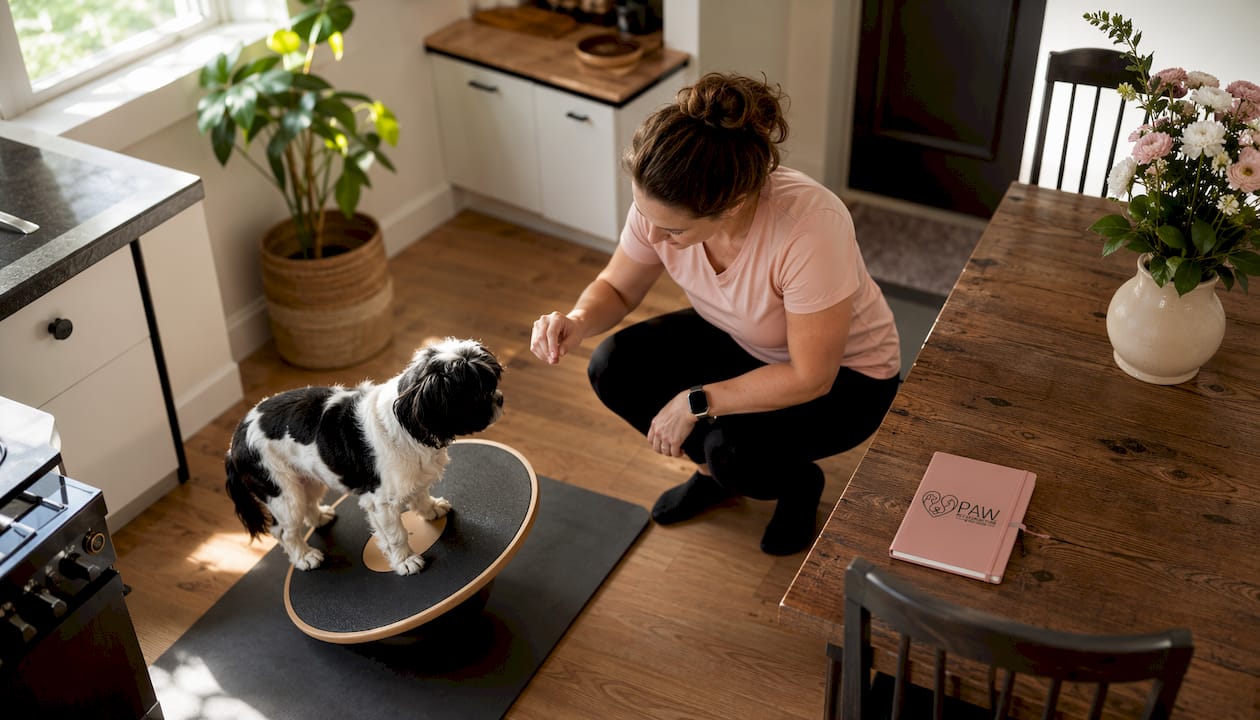
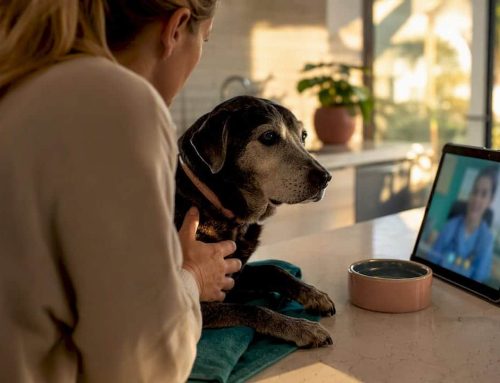
For anxious pets, geriatric animals, or those with significant mobility limitations, the car ride to a clinic is not a neutral event. It is a stressor that can tighten muscles, elevate pain perception, and make the subsequent evaluation less accurate. Removing that variable produces a calmer patient and a more honest baseline.
In-home integrative rehab also makes the home exercise program more practical. When a therapist demonstrates an exercise on your own floor, with your own furniture as landmarks, compliance goes up. You are not trying to recreate a clinic environment at home; you are working with what you already have.
Mobile integrative rehab in South Tampa, brought to your door
For pet owners in South Tampa who want expert rehabilitation without the stress of a clinic visit, Pet Acupuncture & Wellness offers exactly that: a fully mobile integrative rehab service that comes to you. The house-call model combines acupuncture for pain relief, laser therapy, and structured rehabilitation exercises, all delivered in your pet’s own space.
A typical visit begins with a pre-visit intake so the therapist arrives prepared. The initial evaluation runs 60–90 minutes and covers a full orthopedic and neurologic assessment, baseline measurements, and a tailored home exercise program you will walk through together before the visit ends. Follow-up visits build on that foundation, adjusting the HEP and adding modalities as your pet progresses. The service area covers South Tampa, and scheduling is straightforward. If your veterinarian has recommended rehab, or if you are ready to explore whether your pet is a candidate, request a house-call evaluation and take the first step toward better mobility for your dog or cat.
Useful sources and further reading
For owners who want to go deeper, these are the primary resources that informed this guide and that are worth bookmarking for ongoing reference.
- AAHA — What Is Veterinary Physical Rehabilitation?: The American Animal Hospital Association’s plain-language overview of the field, modalities, and evidence base. A reliable starting point for any owner new to rehab.
- AARV Model Standards: The Academy of Physical Rehabilitation Veterinarians’ standards document, which explains how rehab assessments relate to veterinary diagnosis and why collaboration matters.
- AVMA — Sports Medicine and Rehab Specialty: Background on the ACVSMR specialty, certification requirements, and the professionals who hold board-certified status.
- University of Tennessee College of Veterinary Medicine (UTCVM): One of the leading academic rehab programs in the country; their published protocols and research underpin much of modern canine rehabilitation practice.
- PMC — Rehabilitation for Cats: A peer-reviewed article on feline rehabilitation, covering evidence, common conditions, and practical clinical guidance for cat owners and veterinarians.
FAQ
How much does pet physical therapy cost?
Initial evaluations typically range from $100 to $250, with follow-up sessions running $50–$150 each; package pricing for 10 sessions can reduce the per-session cost. Geographic location, facility equipment, and provider credentials all affect the final number.
Is there such a thing as an animal physical therapist?
Yes. Veterinarians with post-graduate certification (CCRT, CCRP, or DACVSMR), rehabilitation-certified veterinary technicians, and human physical therapists with animal-specific training all practice veterinary rehabilitation. The ACVSMR is the recognized board-certification body for veterinary sports medicine and rehabilitation specialists.
Is physical therapy for dogs worth it?
For most dogs with orthopedic, neurologic, or chronic pain conditions, yes. Rehabilitation speeds postoperative recovery, reduces pain in osteoarthritis, and helps neurologic patients regain function, with the best outcomes tied to owner compliance with the home exercise program.
Is it legal for a veterinarian to administer physical therapy to animals?
In the United States, licensed veterinarians are legally authorized to perform rehabilitation therapy on animals. Human physical therapists practicing on animals operate under varying state-level scope-of-practice laws, so requirements differ by state. Confirm with your provider that their practice is operating within their state’s veterinary practice act.
Can cats really benefit from rehabilitation therapy?
Clinical evidence supports feline rehab for arthritis, post-surgical recovery, and neurologic conditions. Cats are under-referred largely due to myths about cooperation; short, low-stress sessions with high-value rewards produce real, measurable improvement in most feline patients.