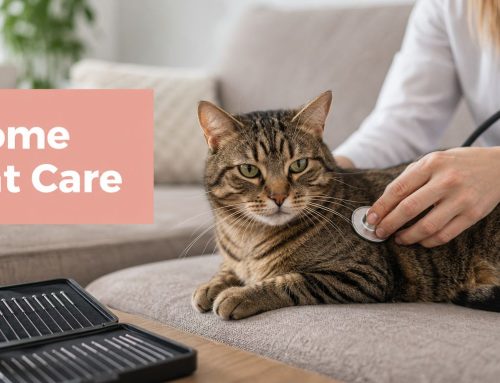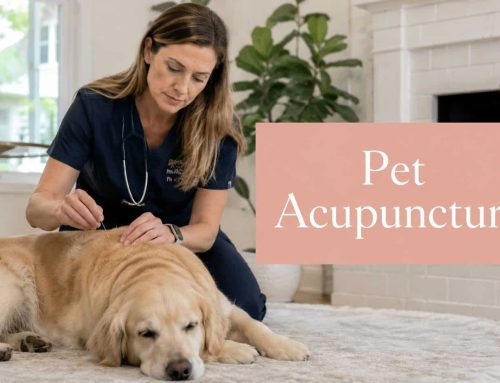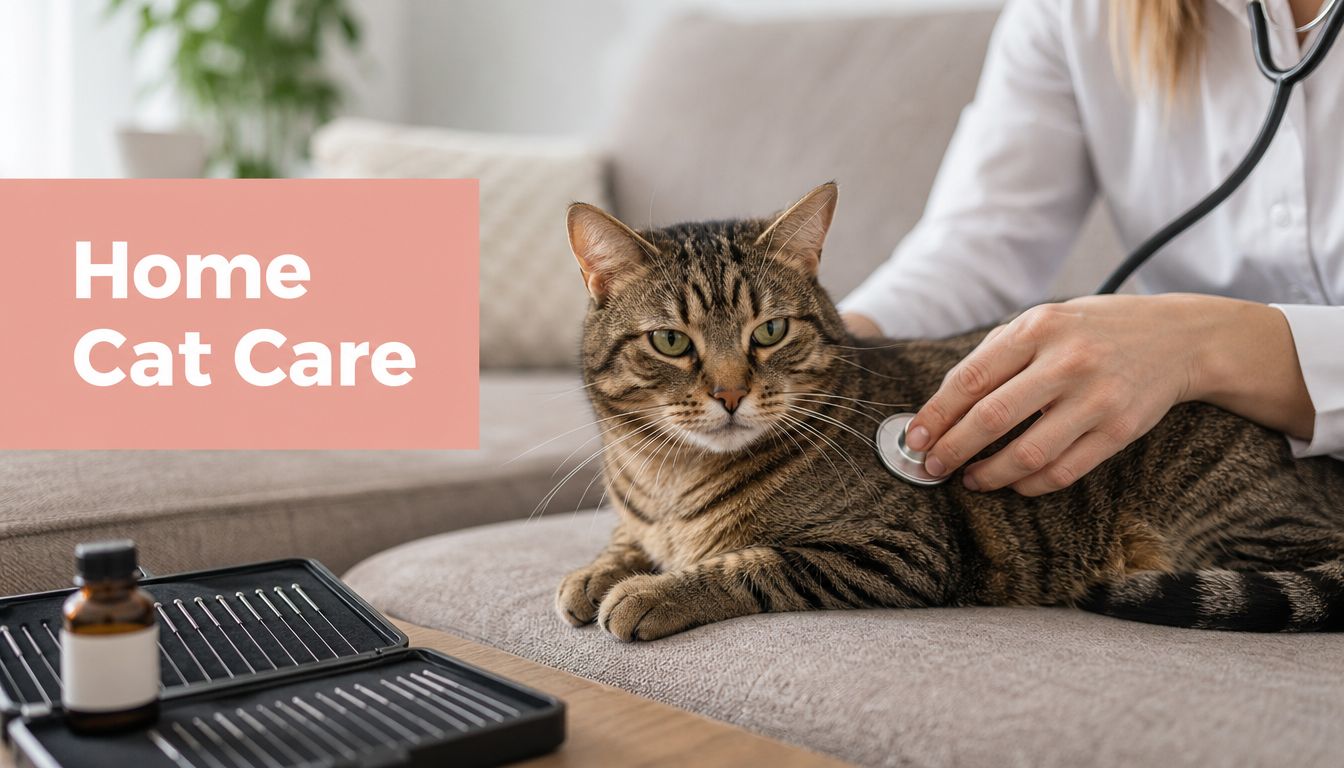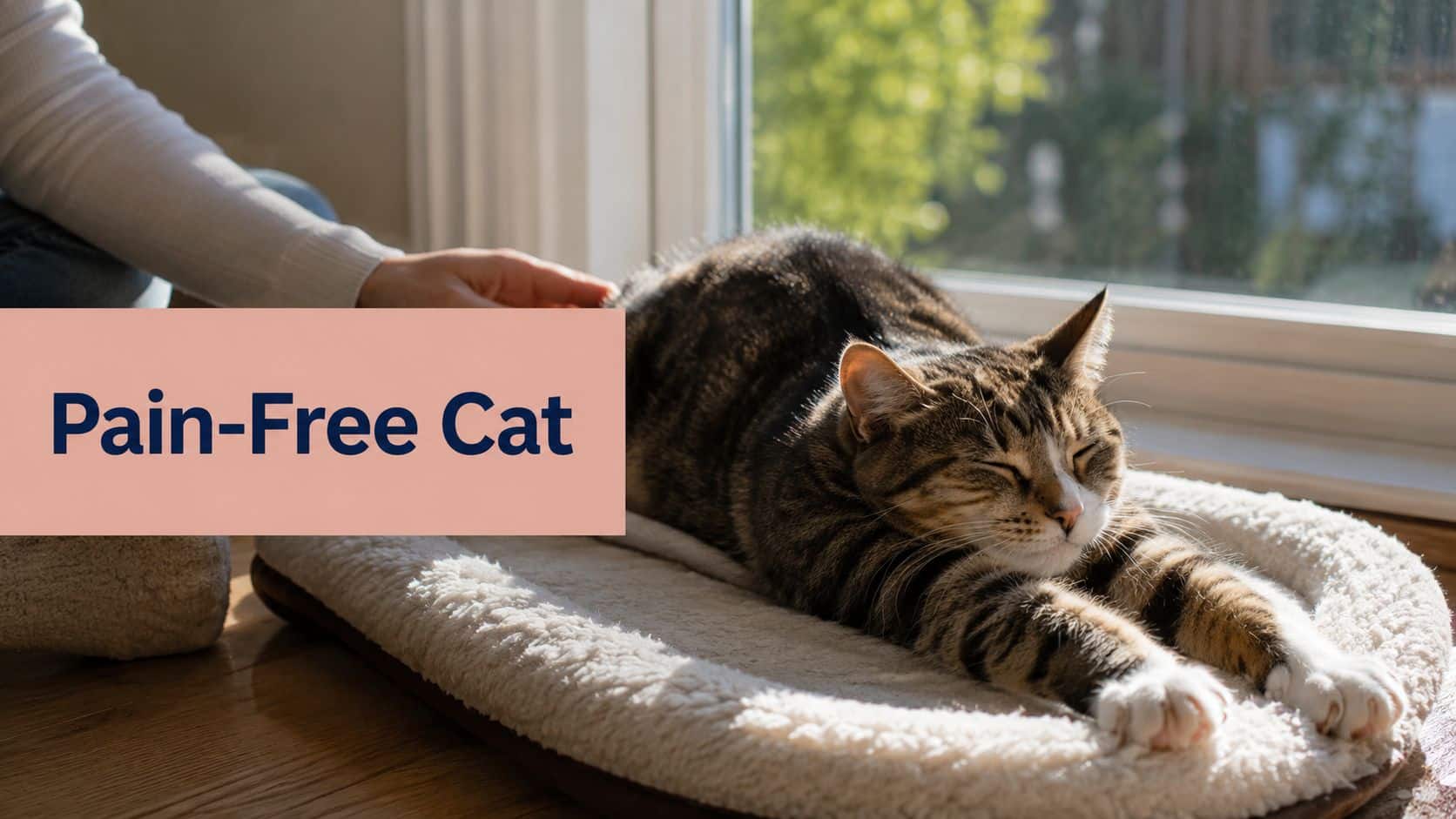
If you're in South Tampa and you've started noticing small changes in your dog or cat, you're probably already wondering if this is just aging or something more. Maybe your dog pauses before climbing the steps. Maybe your cat still eats well and purrs, but no longer jumps to the windowsill or greet you at the bed. Those quiet changes are often how joint pain starts to show up at home.
For many pets, degenerative joint disease treatment isn't about chasing a miracle fix. It's about restoring comfort, confidence, and normal daily routines. The good news is that arthritis is often manageable, especially when you catch it early and use more than one tool.
Your Guide to Helping Your Pet Thrive with Arthritis
A lot of pet owners first notice arthritis in moments that seem easy to dismiss. A senior dog takes longer to stand after a nap. A cat that used to leap effortlessly now uses the couch as a step stool. Some pets get grumpy when touched around the hips or shoulders. Others become quieter.
That's often the first sign that DJD, or degenerative joint disease, is affecting daily life.

In people, this problem is extraordinarily common. In 2019, approximately 528 million people worldwide lived with osteoarthritis, and projections indicate the global count will approach 1 billion by 2050, according to the World Health Organization osteoarthritis fact sheet. Those are human numbers, but they help explain why joint degeneration is such a familiar issue in veterinary medicine too.
What Pet Owners Often Need Most
Pet parents usually don't need more alarming information. They need a roadmap.
That roadmap starts with understanding that arthritis care works best when it's multimodal, meaning we don't rely on one pill, one supplement, or one appointment. We combine pain control, weight management, home changes, mobility support, and, when appropriate, integrative therapies that help the whole pet function better.
Practical rule: The best arthritis plan is the one your pet can tolerate consistently in the real world of your home.
For many South Tampa families, that matters because pets are more relaxed in familiar surroundings. They walk more naturally, resist less, and show their true mobility when they're not stressed by a clinic setting. That's one reason in-home care can be so valuable, especially for seniors, anxious pets, and cats.
If you're looking for a gentler model of support, compassionate in-home pet care in South Tampa can make arthritis treatment feel much more doable.
What Is DJD and How Do I Spot It in My Pet
Think of a healthy joint like a smoothly padded hinge. Cartilage covers the ends of bones and helps them glide without friction. Over time, with age, wear, old injuries, body conformation, or chronic stress on the joint, that surface starts to wear down. It's similar to the tread on a tire getting thinner. The movement still happens, but it's not as smooth, and every mile becomes a little harder.
That wear leads to inflammation, stiffness, and pain. Pets don't usually tell us that directly. They show it by changing how they move, rest, groom, play, or interact.
Signs in Dogs
Dogs often show arthritis in active parts of their day. Owners may notice changes on walks long before they think of joint disease.
Watch for these patterns:
- Slowing down on walks: Your dog lags behind, shortens the route, or seems less eager to go out.
- Trouble getting up: Rising after sleep looks stiff, awkward, or hesitant.
- Reluctance with stairs or jumping: The car, couch, or porch suddenly feels like a bigger obstacle.
- Licking a joint repeatedly: Some dogs focus on sore elbows, knees, wrists, or hips.
- Shifting weight: They may stand unevenly or sit in a strange way to unload a painful limb.
- Behavior changes: Irritability, clinginess, or avoiding touch can all reflect discomfort.
Signs in Cats
Cats are masters at hiding pain. They often don't limp dramatically. Instead, they subtly stop doing things that used to be easy.
Common feline clues include:
- Less jumping: They avoid counters, beds, cat trees, or favorite window perches.
- Reduced grooming: The coat may become greasy, flaky, or matted along the back end.
- Litter box changes: A cat may urinate or defecate outside the box because stepping in or squatting hurts.
- Sleeping more and exploring less: They become less interactive and less curious.
- Stiff posture: Some cats crouch differently or hesitate before turning.
- Avoiding handling: They may flinch, swat, or walk away when touched along the spine or hips.
Cats rarely act “dramatic” with pain. More often, they become smaller versions of themselves.
What To Do With What You Notice
Start keeping notes. A short phone video of your pet rising, walking, taking stairs, or jumping can be more useful than a perfect description during an appointment.
If you're not sure whether what you're seeing counts as pain, this guide on how not to miss the signs of pain in a senior dog or cat can help you sharpen your eye. Your observations are often the first and most important clue.
How Vets Diagnose DJD and Your Role as a Pet Parent
A diagnosis of DJD usually comes from putting three pieces together. First, what you see at home. Second, what the veterinarian finds on physical exam. Third, imaging when it's needed to confirm the pattern or rule out other problems.
That matters because arthritis doesn't happen in a vacuum. A pet may have more than one painful area, and not every limp or mobility change is caused by DJD alone.

What The Veterinary Exam Looks For
During the exam, a veterinarian checks how your pet stands, walks, sits, lies down, and rises. Then they feel the limbs and spine more directly.
They're looking for things like:
- Pain on joint manipulation
- Reduced range of motion
- Muscle loss from underuse
- Joint thickening or crepitus
- Asymmetry between limbs
- Compensation patterns in the back or neck
Why Your Input Matters So Much
Many pets tense up in a clinic. Some cats freeze. Some dogs power through discomfort because adrenaline is high. That means your home observations aren't extra information. They're central to the diagnosis.
A short history can be remarkably helpful if it includes:
- When the change started
- Which activities became harder
- Whether symptoms are worse after rest or exercise
- Any old injuries or surgeries
- Whether the problem is steady or comes in flares
Early attention matters. Evidence-based guidelines emphasize a multimodal approach where early diagnosis is critical, and the first weeks after symptom onset represent a “window of opportunity” to implement a personalized treatment plan and potentially slow irreversible joint damage, as described in this review on osteoarthritis care.
Working As A Team
The best care happens when your pet's primary veterinarian, any imaging findings, and a mobility-focused treatment plan all inform each other. That collaborative model is especially useful for South Tampa pets who need support at home but still benefit from a strong relationship with their regular veterinarian.
The Foundation of DJD Management Weight Diet and Supplements
Before anyone reaches for advanced therapies, the base of care has to be solid. In practice, the most successful degenerative joint disease treatment plans start with three fundamentals: body weight, food, and carefully chosen supplements. If those aren't addressed, every other therapy has to work harder.
Weight Comes First
Extra weight adds stress to painful joints with every step, every jump, and every effort to stand. That's true in dogs and cats alike. Even a pet that seems only a little heavy may be carrying more load on inflamed joints than the body can comfortably manage.
Weight control is often the most important at-home change a family can make because it affects pain, endurance, and ease of movement all day long.
Signs your pet may need a body condition review include:
- You can't easily feel the ribs
- There's little waist from above
- Your pet tires quickly
- Mobility improves only briefly after rest or medication
Diet Shapes Daily Inflammation
Food won't cure arthritis, but it does influence how the body copes with inflammation and muscle maintenance. A practical nutrition plan supports lean body mass, avoids unnecessary calories, and fits the pet's age, appetite, and other medical needs.

In human osteoarthritis care, the U.S. Department of Health and Human Services recommends 150 minutes of moderate-to-vigorous exercise per week, structured into strengthening, range-of-motion, aerobic, and balance exercises, as summarized by the Arthritis Foundation's osteoarthritis guidance. Pets obviously don't follow human exercise prescriptions, but the principle still applies well: regular, appropriate movement supports joints better than weekend bursts of activity.
Supplements Need A Real Purpose
Owners often become overwhelmed. The market is full of “joint support” products, but they aren't interchangeable.
A sensible supplement plan may include ingredients commonly used for joint support, such as:
- Glucosamine and chondroitin: Often chosen to support cartilage and joint comfort over time.
- Omega-3 fatty acids: Commonly used to support a healthier inflammatory response.
- Condition-specific additions: Some pets benefit from products selected around mobility, muscle maintenance, or concurrent issues.
The key is matching the product to the pet, not buying the most aggressively marketed option.
A supplement should earn its place in the plan. If it doesn't fit the diagnosis, the pet, or the goals, it's just another item in the cabinet.
If you want a more practical overview of product selection, this guide to the best supplements for senior dogs is a helpful starting point for discussions with your veterinarian.
A Modern Toolkit of Integrative DJD Treatments
Once the foundation is in place, treatment expands. At this stage, many South Tampa pet owners discover that arthritis care can be much broader than “take this medication and slow down.” A modern plan can combine conventional pain relief with rehabilitation, acupuncture, laser therapy, and nutrition-based support.

Where NSAIDs Fit
NSAIDs are a standard veterinary tool because they can reduce pain and inflammation. For many pets, they improve comfort enough to help them move more normally, which then supports strength and joint function.
But they aren't the whole answer. NSAIDs reduce inflammatory mediators to provide symptomatic relief, but they do not restore cartilage volume or halt disease advancement. Corticosteroid injections can also reduce inflammation, yet they function as an assistive treatment rather than the core therapy, as discussed in this Nature review on osteoarthritis treatment mechanisms. That trade-off is exactly why multimodal plans work better than medication alone.
Acupuncture And Related Techniques
Acupuncture can be especially useful for pets with chronic pain, stiffness, neurologic compensation, or sensitivity to handling. In a home setting, many pets settle faster than owners expect. Dogs often lie on a favorite bed. Cats may stay in a lap, a carrier, or a sunny corner while treatment is performed.
Different methods may be used depending on the case:
- Traditional acupuncture: Fine needles are placed at selected points to support pain control and function.
- Electroacupuncture: A gentle electrical stimulation is added between certain needles for a stronger effect in some painful or weak areas.
- Aquapuncture: Small volumes of sterile injectable material are placed at acupuncture points for longer stimulation.
What owners usually care about most is whether their pet seems comfortable during treatment. Most do. A few become sleepy. Some stretch afterward, then rest soundly for several hours.
Laser Therapy And Why Pets Tolerate It Well
Therapeutic laser is one of the easiest integrative options for many pets because it's noninvasive and quick. The goal is to reduce inflammation and support tissue healing in painful joints, surrounding muscles, and compensating areas.
A typical session at home is calm. The pet is positioned comfortably, protective eyewear is used as appropriate, and the laser is applied over the target area for a short period. For seniors who dislike restraint, this can be a particularly practical option.
For a closer look at what treatment involves, laser therapy for dogs gives a useful overview in plain language.
Here's a brief look at one approach to integrative mobility support:
Chinese Herbal And Food Therapy
Some pets benefit from Chinese herbal medicine or food therapy as part of a broader plan. This isn't a random “natural” add-on. It works best when a veterinarian selects herbs and diet changes based on the pet's full pattern, not just the label of arthritis.
In practice, this can help when a pet's DJD is mixed with other patterns such as weakness, stiffness that worsens in cold or damp weather, age-related decline, digestive sensitivity, or recovery from overuse. The goal is to support the whole patient while conventional tools address pain more directly.
Home Exercise Planning Makes Everything Else Work Better
Rehabilitation at home is where treatment becomes part of daily life instead of a once-in-a-while appointment. The plan should be simple enough that owners can keep doing it.
A home exercise plan may include:
- Controlled leash walks: Short, steady outings instead of long irregular bursts of activity.
- Sit-to-stand work for dogs: Useful when done with good form and proper spacing.
- Gentle weight shifts: Helps improve limb use and balance.
- Range-of-motion exercises: Best when shown by a veterinarian so they're done correctly.
- Environmental traction: Rugs, runners, and non-slip paths often matter more than owners expect.
The right exercise dose leaves a pet pleasantly tired, not sore the next day.
Bringing It All Together Real Stories From South Tampa Pets
The most reassuring part of arthritis care is seeing how small, consistent changes add up. Not every pet becomes “young again.” That isn't the goal. The goal is better days, easier movement, and more normal routines.
A Senior Retriever Who Stopped Avoiding The Hallway
One South Tampa dog, an older retriever, had started slipping on tile and refusing the hallway that led to the back door. His family initially thought he was being stubborn. In reality, he'd learned that the walk to the yard hurt.
His plan focused on better footing at home, a structured medication review with his primary veterinarian, therapeutic laser, and a simple exercise routine built around short controlled walks and assisted rising. Over time, he stopped hesitating at the doorway and began greeting his family at the entrance again instead of waiting on his bed.
A Cat Whose Personality Came Back
A middle-aged cat with an old injury had become withdrawn. She wasn't jumping to her favorite perch, and her coat had become rough along the lower back because grooming there was uncomfortable. Her owner's first concern was behavior. The underlying issue was pain.
Her treatment plan centered on home-based acupuncture, easier litter box access, low-entry resting spots, and targeted changes in daily handling. The first improvement wasn't athletic. It was emotional. She started seeking attention again, then returned to short jumps and regular grooming.
When a pet feels safer moving, personality often returns before stamina does.
A Small Dog Who Needed Less Chaos, Not More Treatment
Another local patient, a little senior dog, had a common problem. Too many disconnected ideas. Supplements from one store, pain medication from one visit, occasional rest after flare-ups, and no clear home plan.
What changed his comfort wasn't a dramatic intervention. It was organizing the pieces. His family started a steadier routine, adjusted his activity to avoid boom-and-bust weekends, added mobility support at key spots in the house, and used integrative pain relief consistently. He became more predictable, less stiff in the mornings, and more willing to join short neighborhood outings.
These are the kinds of wins that matter. A pet who can get up without struggle. A cat who uses the litter box comfortably again. A dog who wants to be in the middle of family life instead of watching from a distance.
Frequently Asked Questions About Pet Arthritis Care
Can DJD Be Cured
No. Degenerative joint disease is usually a chronic condition, not something we erase. But chronic doesn't mean hopeless.
The practical aim is to manage pain, preserve strength, protect mobility, and keep your pet engaged in normal life. Many pets do very well when the plan is individualized and adjusted over time.
Is My Pet Too Old Or Frail For Treatment
Usually, no. Senior pets are often the ones who benefit most from thoughtful treatment because they've been compensating for discomfort for a long time.
The trick is choosing the right intensity and the right tools. A frail older pet may not need aggressive exercise. That pet may need softer bedding, better traction, careful pain control, laser, acupuncture, and shorter but more frequent movement sessions.
How Fast Will I See Results
That depends on the pet, the severity of the arthritis, and which tools are being used. Some owners notice small changes quickly, such as easier rising, better sleep, or less irritability. Other improvements take longer because rebuilding comfort and confidence is gradual.
What matters most is tracking the right markers:
- Ease of getting up
- Willingness to walk or jump
- Ability to use stairs or litter box
- Quality of sleep
- Interest in family activity
How Do I Balance The Cost Of Treatment
Start with what will give the biggest return in daily comfort. In many homes, that means confirming the diagnosis, addressing weight, improving flooring and bedding, and building a realistic treatment schedule instead of trying everything at once.
It's also reasonable to ask your veterinarian to prioritize care in stages. A strong stepwise plan often feels more manageable than trying to solve every mobility issue in one week. If getting started feels overwhelming, a virtual vet visit for guidance and next steps can help you sort out what needs attention first.
If your dog or cat is slowing down, stiffness and joint pain don't have to define the next chapter. Pet Acupuncture & Wellness (PAW Vet Practice) provides mobile, integrative veterinary care for South Tampa pets, with in-home support designed to improve comfort, mobility, and quality of life. Whether your pet needs acupuncture, laser therapy, a home exercise plan, or a more complete arthritis strategy, compassionate help is available right where your pet feels safest.