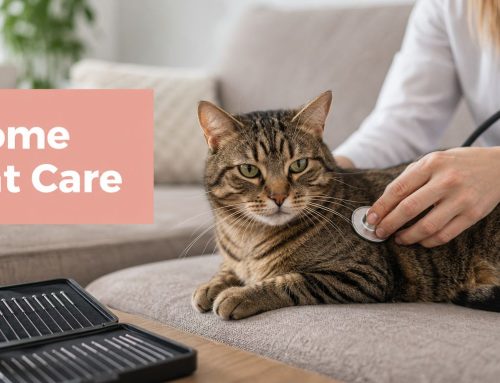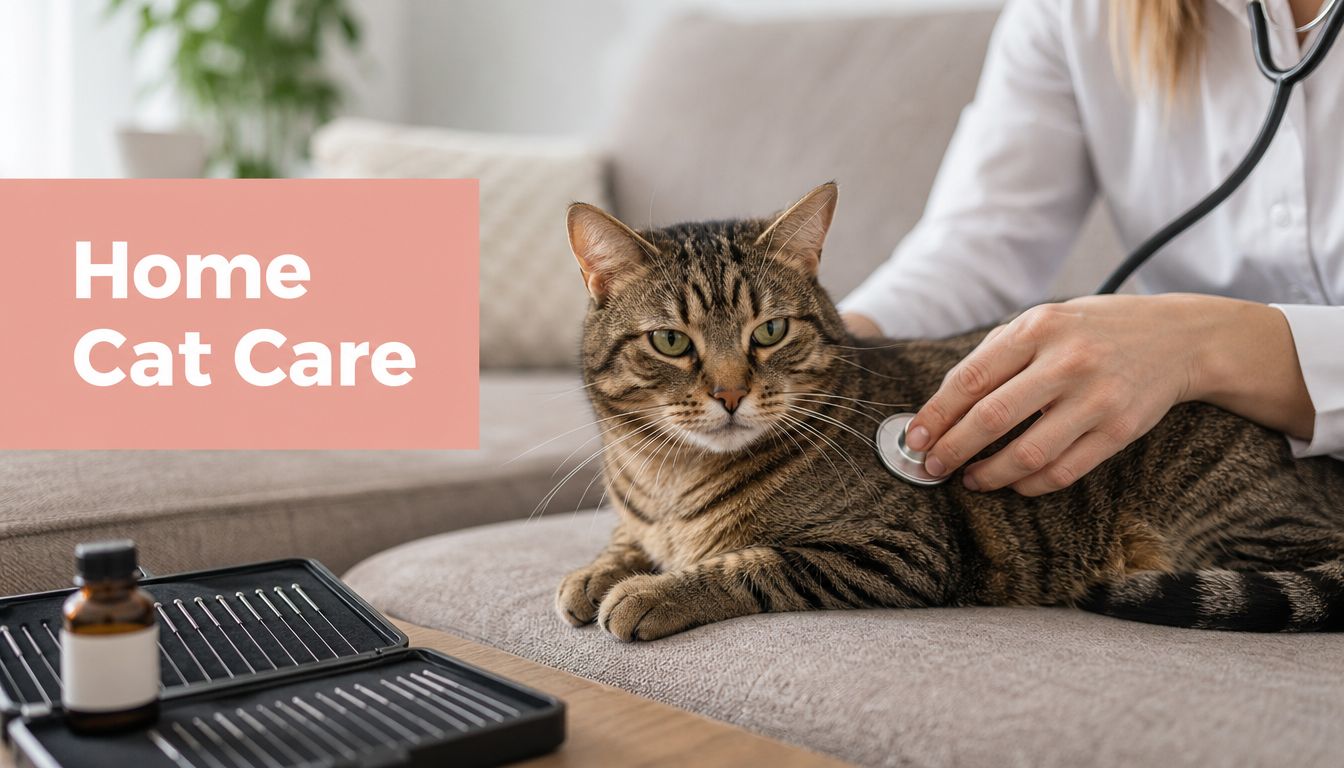
When your dog braces at the sight of the leash because it usually means a car ride, or your cat disappears the moment the carrier comes out, veterinary care can start feeling stressful before the visit even begins. In South Tampa, that stress is often what pushes families to look for a different kind of care, one that meets pets where they're calmest.
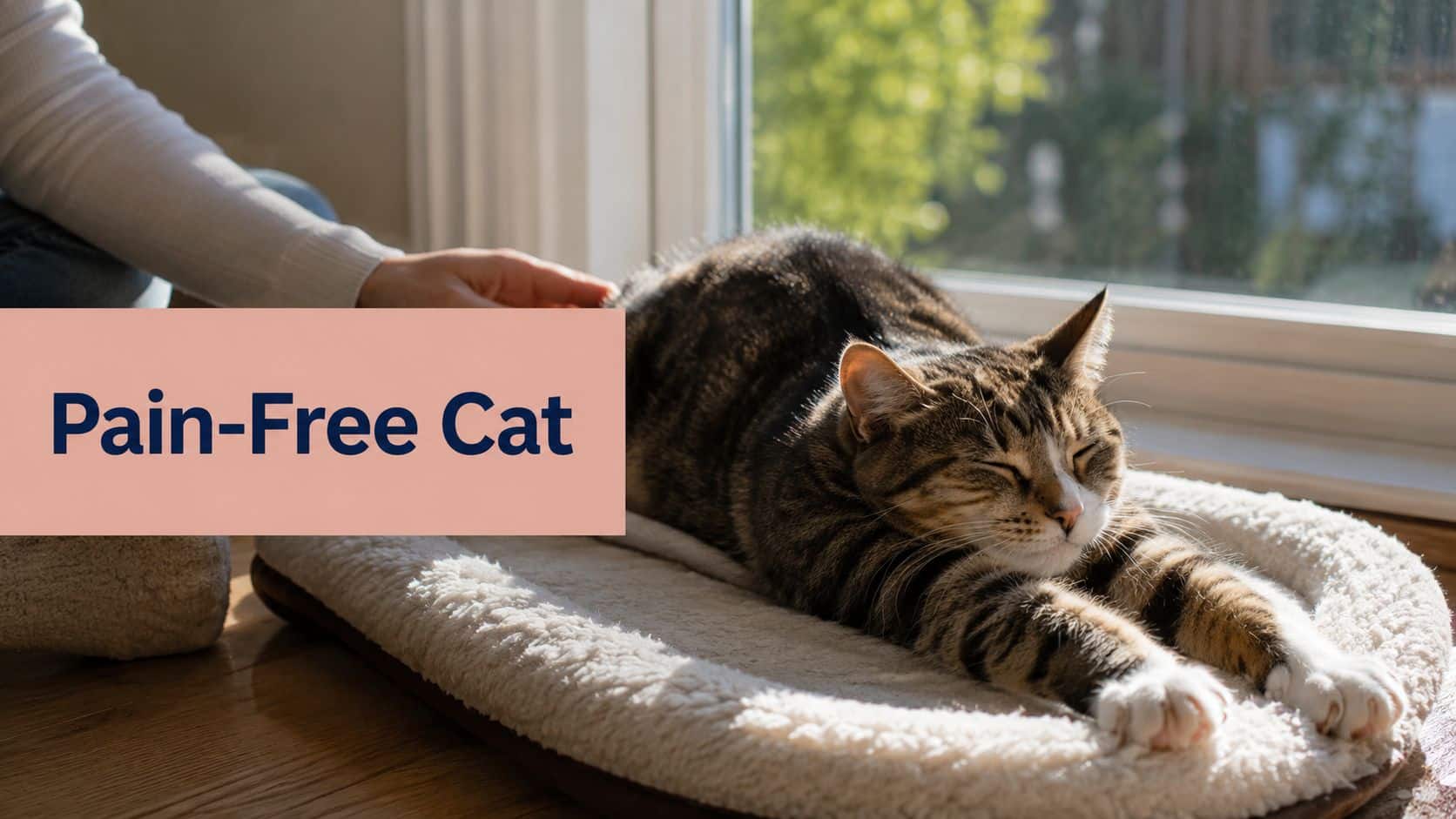
A mobile vet clinic tampa search usually starts with convenience. But for many pets, especially seniors, anxious animals, and those with arthritis or mobility problems, the primary benefit is comfort. At-home care changes the tone of the visit. Your pet stays on a familiar floor, uses their usual bed, and isn't surrounded by barking dogs, slippery exam tables, or a crowded lobby.
For families looking beyond routine vaccines and quick exams, mobile care can also open the door to more thoughtful support for chronic pain, mobility decline, and recovery at home.
Is A Mobile Vet Right For Your Pet In South Tampa?
A common South Tampa scenario goes like this. A senior dog needs help getting into the car. A cat cries the entire drive. By the time you arrive at the clinic, both you and your pet are already worn out. That stress can affect the visit itself, because tense pets don't always move, breathe, or respond the way they do at home.
Mobile veterinary care grew because pet owners kept asking for a better experience. The market itself reflects that shift. The mobile veterinary market is projected to grow from $948.6 million in 2022 to $2.1 billion by 2030, a trend tied to the fact that 70% of U.S. households own a pet and increasingly want convenient, low-stress care, according to Grand View Research.

When Home Care Makes The Most Sense
A house-call model often fits pets who struggle with the logistics of standard visits. That includes dogs with painful joints, cats who stop eating after travel stress, and pets recovering from surgery or illness.
It also helps when the home itself tells part of the medical story. I can learn a lot by watching how a pet gets up from their bed, handles flooring, approaches food and water, or avoids certain movements. Those details matter when evaluating pain, stiffness, weakness, or changes in behavior.
Some of the conditions that benefit most from in-home evaluation are listed on these pet conditions we treat, especially when mobility, pain control, or quality of life are the main concerns.
Home visits work best when the pet's comfort is the priority and the problem can be assessed safely outside a hospital setting.
When Mobile Care May Not Be Enough
A mobile practice isn't the right answer for every problem. If a pet is in severe respiratory distress, actively bleeding, or needs round-the-clock hospitalization, an emergency hospital is the right place. Good mobile care includes knowing those limits and helping families move quickly when hospital-level treatment is needed.
For many South Tampa households, the right plan isn't either-or. It's a thoughtful combination. A traditional hospital may handle urgent imaging, intensive monitoring, or surgery, while a mobile veterinarian supports pain management, follow-up care, rehabilitation, and ongoing quality-of-life decisions at home.
Comparing Your Options Traditional Clinic Vs. Mobile Vet
Choosing between a clinic and a mobile visit usually comes down to four questions. How does your pet handle stress? What kind of care is needed? How much hands-on discussion do you want? And what happens if the visit uncovers something more serious?

The Pet Experience
Traditional clinics are efficient, but they can be hard on sensitive animals. There's the carrier, the car ride, the smells, the unfamiliar flooring, and the waiting area. Some pets cope fine. Others arrive so distressed that the exam becomes limited or less representative of how they normally act.
Mobile care changes that environment completely. According to the AVMA, 25% of pet owners prefer house calls specifically for anxious pets, and studies in the Journal of Veterinary Behavior show this can reduce separation anxiety by up to 40%, as noted by the AVMA.
Key takeaway: If anxiety changes your pet's behavior at the clinic, an in-home visit can lead to a more realistic exam and a calmer experience.
The Owner Experience
A standard clinic can be the better fit when you want multiple services done in one building on the same day. It may also be easier if your schedule matches regular appointment blocks and your pet travels well.
A mobile visit is different. You're trading the drive and waiting room for a veterinarian who comes to your home, works in your pet's normal setting, and often spends more of the visit discussing function, comfort, and daily routine. Before booking, it helps to review what service costs typically include, because mobile care usually combines the visit itself with the medical services performed during that appointment.
Scope Of Care
These two models overlap, but they aren't identical.
- Traditional clinic strengths: urgent diagnostics, hospitalization, procedures that need a full surgical suite, and continuous monitoring.
- Mobile care strengths: wellness visits for travel-averse pets, chronic pain management, quality-of-life assessments, follow-up exams, and in-home support for mobility issues.
- Shared space: many routine exams, diagnostics, discussions about chronic disease, and care planning can happen in either setting.
The Veterinary Relationship
One of the less obvious differences is pace. In a busy hospital, visits often need to move quickly. In a home setting, conversation tends to be more practical. Owners can show where the pet sleeps, how stairs are going, what medications are easiest to give, and what changes they've noticed day to day.
That matters most when the issue isn't a one-time problem. If your dog is slowing down over months, or your cat has a subtle change in appetite, grooming, or jumping, the home visit often gives a fuller picture.
Beyond The Basics Specialized Mobile Vet Services To Look For
Many pet owners still assume a mobile practice only handles routine care. In reality, some of the most valuable house-call services are the ones that support pets living with chronic pain, arthritis, weakness, or recovery challenges at home.

A meaningful gap exists here. A 2025 AVMA survey indicates 68% of owners with senior pets seek non-pharmacological options for conditions like arthritis, yet only 12% of mobile vets nationally specialize in these integrative therapies, according to PAW Vet Practice's South Tampa service area page. That's why it's worth asking not just whether a veterinarian makes house calls, but what kind of chronic-care tools they actually bring into the home.
Acupuncture And Related Therapies
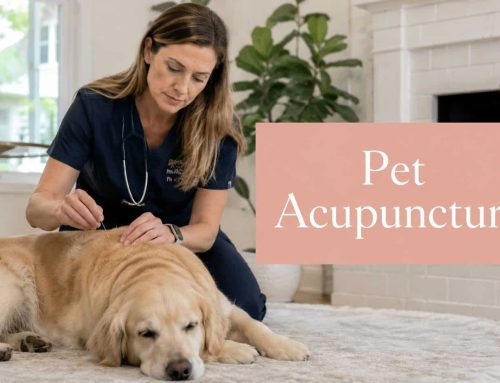
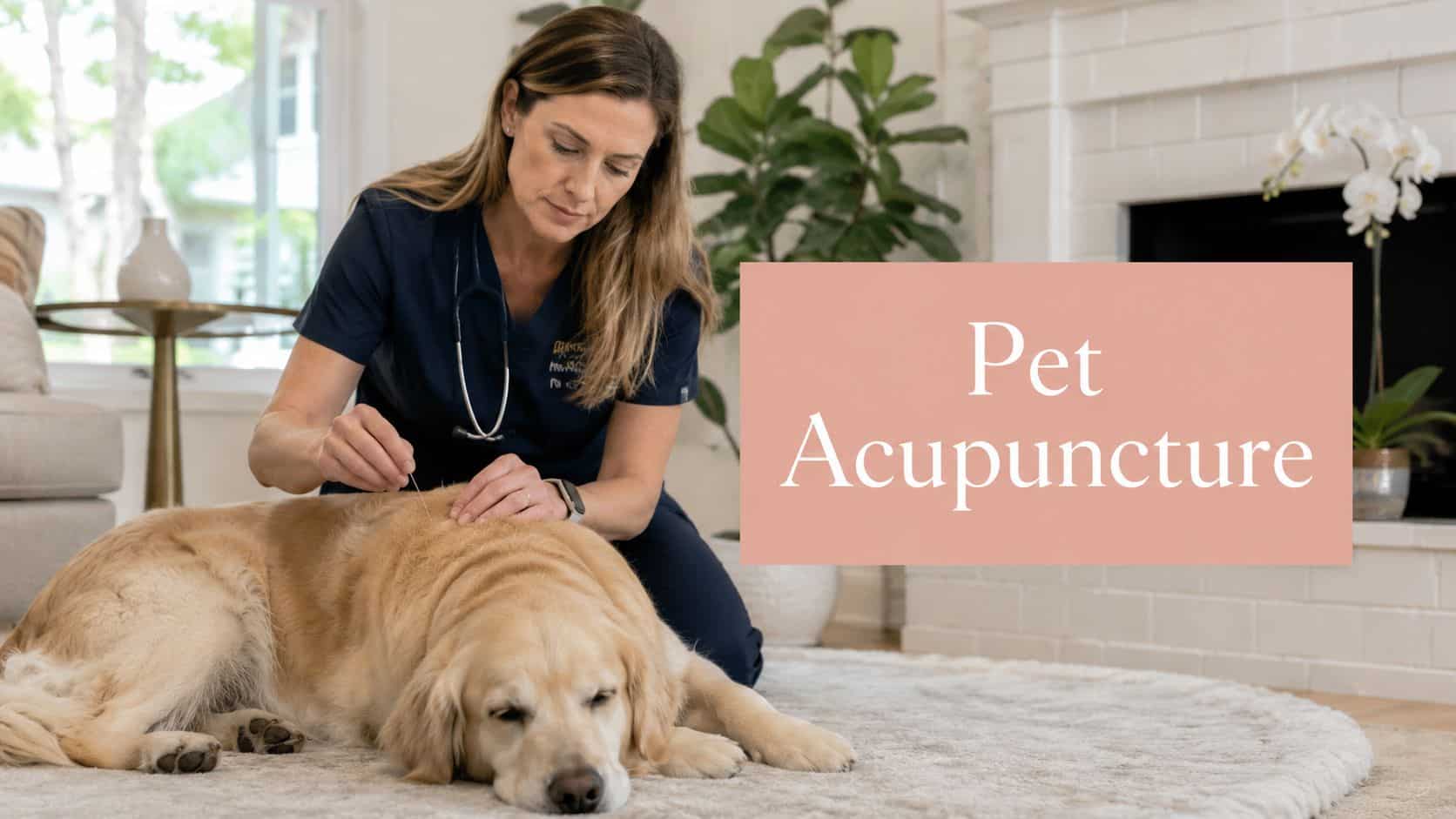
Acupuncture is often one of the most useful mobile options for pets with stiffness, chronic pain, neurologic issues, or slowing mobility. In the home, pets usually settle faster than they would in a clinic, which makes treatment easier for both the animal and the family.
Electroacupuncture and aquapuncture may also be part of the plan, depending on the pet's condition and tolerance. These aren't one-size-fits-all treatments. A dog with arthritis, a cat with chronic pain, and a pet recovering from a disc problem may each need a very different approach.
Laser And Rehabilitation Support
Laser therapy can fit well into home-based care because it's quiet, noninvasive, and easy to apply in a low-stress setting. It's commonly considered for sore joints, soft tissue discomfort, and healing support.
Rehabilitation matters just as much as the treatment itself. For many pets, progress depends on simple daily mechanics:
- Flooring changes: traction can affect confidence, slipping, and muscle strain.
- Bed height and access: jumping up and down may worsen discomfort.
- Home exercise plans: short, repeatable movements often work better than occasional long sessions.
- Family technique: how you assist a pet up, turn them, or guide stairs can either help or aggravate pain.
For owners who want to understand what this process can include, this guide to rehabilitation therapy for pets gives a practical overview.
The best rehab plan is the one your household can actually carry out consistently.
Food Therapy, Herbal Support, And Whole-Patient Planning
Some mobile practices also offer Chinese herbal medicine and food therapy as part of an integrative plan. These options are most useful when they're chosen carefully and coordinated with the pet's diagnosis, medications, and primary veterinarian.
That coordination matters. Integrative care works well when it complements standard medicine rather than replacing necessary diagnostics or treatment. For a senior pet with arthritis, that might mean combining conventional pain management with acupuncture, laser, and targeted exercises. For a recovering pet, it may mean pairing home rehab with regular rechecks and communication with the primary clinic.
One local option that focuses on this kind of in-home integrative support is Pet Acupuncture & Wellness, which serves South Tampa and works alongside primary veterinarians for dogs and cats needing help with pain, mobility, and wellness support at home.
Vetting Your Mobile Vet Credentials, Costs, And Red Flags
The difference between a polished website and a dependable mobile veterinarian becomes obvious once you start asking practical questions. Credentials, communication, and clinical boundaries matter more than branding.
What To Verify First
Start with the veterinarian's license and training. If your pet needs arthritis support, acupuncture, rehab, or senior-focused care, ask about specific education relevant to those services. A general house-call practice and an integrative mobile practice may sound similar online, but their day-to-day capabilities can be very different.
You should also review the people behind the practice. A clear team page, like this veterinary team overview, helps you confirm who will be in your home and what experience they bring.
How To Think About Costs
Mobile care usually includes a house-call component plus the services provided during the visit. That structure isn't a red flag by itself. Travel time, equipment transport, and in-home setup are part of the service.
What matters is clarity. You should be able to understand what the visit fee covers, which services may be added, how follow-up is handled, and whether the estimate changes based on the type of appointment. Vague pricing often leads to frustration later.
A trustworthy practice should explain:
- Visit structure: what happens during the appointment and how long it typically runs
- Service boundaries: what can be done at home versus what requires referral
- Follow-up expectations: whether rechecks, tele-advice, or rehab updates are available
- Record sharing: how notes are sent to your primary veterinarian
Red Flags That Should Slow You Down
Some warning signs are obvious. Others are subtle.
- No emergency plan: if the practice can't explain where they refer urgent cases, keep looking.
- Unclear records process: your pet's medical history should be easy to request and share.
- Overpromising: be cautious if someone suggests they can handle everything at home.
- Poor communication: delayed responses before booking often become worse after booking.
- Generic chronic-care advice: mobility and pain cases need individualized plans, not stock handouts.
Practical rule: The right mobile vet should be comfortable saying, “This is beyond what I can safely do at home.”
A good house-call veterinarian doesn't try to replace every hospital service. They know what works beautifully in the home and what needs a clinic, specialist, or emergency team.
What To Ask Your Potential Mobile Vet Before Booking
The first phone call or message should tell you a lot. Not just whether the veterinarian is available, but whether their style of care fits your pet and your household.

Questions That Reveal How They Practice
Ask how they approach pets who are fearful, painful, or hard to handle. You want to hear specifics. Do they slow the pace? Do they examine the pet where the pet chooses to settle? Do they adapt the plan if the pet is overwhelmed?
Ask how they coordinate with your regular veterinarian. A mobile provider should be able to share records, explain findings clearly, and fit into the broader care team rather than functioning in isolation.
Questions That Clarify Safety And Logistics
These are the questions I'd want any owner to ask before booking:
- What happens if you find a problem that needs hospital-level care? You need a direct answer, not a vague reassurance.
- What services do you routinely perform in the home for dogs or cats like mine? This helps separate broad marketing language from actual experience.
- How do you handle follow-up questions after the visit? Chronic pain and rehab cases often need adjustment.
- Do you offer tele-advice or rechecks when appropriate? Some concerns can be managed without repeating a full in-home visit.
- What do you need from my home before you arrive? Good practices often have clear setup instructions.
Questions For Chronic Pain And Senior Pets
If your pet is older or dealing with mobility problems, go further. Ask how they assess gait, how they decide between medication and integrative therapies, and what a home exercise plan usually requires from the family.
You should also ask what success looks like. For an arthritic pet, the answer may not be “back to normal.” It may be getting up more comfortably, using stairs with less hesitation, sleeping more soundly, or returning to short enjoyable walks.
A thoughtful veterinarian talks about function and comfort, not just procedures.
The best answers are usually calm, specific, and realistic.
Your Next Step Booking With A South Tampa Mobile Vet
If your pet dreads the carrier, struggles with the car, or needs thoughtful support for arthritis, pain, or mobility changes, in-home care can make the whole process gentler. It can also make decision-making easier, because the veterinarian sees your pet where daily life happens.
For South Tampa families, that often means a better exam, a calmer pet, and a care plan that fits the home instead of fighting against it. This is especially true when the goal isn't just a quick appointment, but a workable plan for comfort, movement, and quality of life.
If you're considering a mobile vet clinic tampa option, keep your search local and practical. Confirm the service area. Ask how the veterinarian handles chronic cases. Make sure they communicate with your primary vet and have a clear referral plan when home care isn't enough.
South Tampa owners looking for in-home integrative care can use the contact page for scheduling and questions to find out whether a house-call visit is a fit for their dog or cat. That kind of visit is often most helpful for senior pets, anxious pets, and animals who need pain relief or rehabilitation support in a familiar setting.
The right next step is usually simple. Gather your pet's recent records, make a short list of your main concerns, and describe what daily life looks like right now. Is your dog slipping on tile, avoiding stairs, or tiring earlier on walks? Is your cat grooming less, jumping less, or hiding after activity? Those details help shape a useful first visit.
You don't need a crisis to benefit from mobile care. Many of the best appointments happen when owners notice the quiet early changes and act before discomfort becomes severe.
Pet owners in South Tampa who want calm, in-home support for arthritis, mobility problems, recovery, or senior-pet comfort can reach out to Pet Acupuncture & Wellness (PAW Vet Practice) to ask questions or request a consultation.